
World Brain Day: One Nigerian Suffers Stroke Every Minute, Neurologists Warn
Nigerian neurologists have warned that at least one Nigerian develops a stroke every minute, calling for urgent government action on World Brain Day to address the country's crippling shortage of specialists, infrastructure, and diagnostic tools.
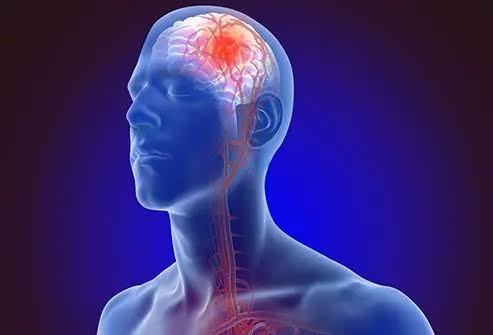
As the global community commemorates World Brain Day on July 22, leading neurologists in Nigeria have said that at least one Nigerian develops a stroke every minute, noting that the country remains under-resourced in specialists, infrastructure, and diagnostics to prevent, diagnose, and treat neurological disorders.
Brain and stroke specialists told journalists that stroke was the leading cause of brain disease in Nigeria, with dementia, epilepsy, headaches, neonatal encephalopathy, traumatic brain injuries, and other brain conditions accounting for a significant disease burden.
World Brain Day is celebrated annually on July 22 and spearheaded by the World Federation of Neurology. Professor of Neurology and Precision Medicine at the University of Ibadan and one of Nigeria's foremost stroke and brain health specialists, Mayowa Owolabi, confirmed that at least one Nigerian is developing a stroke every minute.
The neurologists noted that about 80 per cent of strokes and 45 per cent of dementias were preventable through lifestyle changes and the control of underlying conditions such as hypertension, diabetes, and high cholesterol.
The neurologists called for urgent government action to expand the neurological workforce, extend universal health coverage to neurological conditions, strengthen prevention through public awareness campaigns and early screening, and ensure equitable access to diagnostic services, treatment, and rehabilitation across the country.
Physicians say a growing proportion of strokes among young Nigerians is being driven by modifiable lifestyle factors, undiagnosed medical conditions, and environmental stressors, with medical experts emphasising the need for early cardiovascular screening and risk factor identification, including hypertension, hyperlipidaemia, diabetes mellitus, obesity, smoking, psychological stress, physical inactivity, and excessive intake of alcohol and ultra-processed foods.
They warn that many of these risk factors are "silent," progressing without symptoms until an acute cerebrovascular event occurs. A Consultant Neurologist, Dr. Demola Olaniyi, noted that the rising incidence is being fuelled by unhealthy lifestyles, untreated chronic diseases, and delayed emergency response.
He noted that stroke is no longer a disease confined to the elderly, as increasing numbers of young adults are now affected. Once predominantly associated with older adults, stroke is now increasingly being diagnosed in people in their 20s, 30s, and 40s, a trend neurologists describe as a worrying epidemiological shift.
Findings from the multinational Stroke Investigative Research and Education Network and other studies indicate that up to 25 per cent of stroke cases in West Africa now occur in individuals under 50.
In Nigeria, stroke remains a leading cause of death and long-term disability, with reported case fatality rates ranging between 22 and 46 per cent within weeks of onset.
The infrastructure deficit is perhaps the most alarming dimension of the crisis. Stroke expert Dr. Hammed Ninalowo has raised alarm over Nigeria's limited capacity to manage stroke emergencies, revealing that only two hospitals in the country — Euracare and First Cardiology Consultants — are fully equipped and designated as stroke-ready facilities capable of delivering comprehensive, time-sensitive stroke care, a situation he described as inadequate for a country of over 200 million people.
Nigeria had only 209 computed tomography (CT) scanners as of September 2021, compared with over 3,000 in Germany, a single European country, in the same year.
Closely linked to this challenge is the severe shortage of specialists. Across Africa, there are, on average, only 0.12 neurologists per 100,000 people, compared with a median of 8.45 neurologists per 100,000 people in Europe.
The burden of stroke in Nigeria has increased significantly from 1990 to 2025, with pronounced regional inequalities and sustained high mortality and disability, underscoring the urgent need for strengthened stroke prevention strategies and equitable access to acute and rehabilitative care.
The findings show the growing burden of stroke, driven by a high prevalence of modifiable risk factors such as hypertension, diabetes, and dyslipidaemia. Despite improvements in diagnostic capacity and stroke management strategies, significant gaps remain in access to acute stroke care, rehabilitation services, and preventive measures.
A 2025 WHO report identified stroke as the second leading cause of death and the third leading cause of disability globally, estimating that one in four adults over the age of 25 will experience a stroke in their lifetime. Globally, 11.9 million new stroke cases were recorded in 2021, with about 93.8 million people living with the aftermath of stroke-related disability.
Health systems across much of the continent remain under-resourced. Medications are often in short supply, rehabilitation services are scarce, and even basic monitoring devices can be hard to find.
The neurologists called on the Federal Government to treat the stroke burden as a public health emergency, increase funding for neurology departments in teaching hospitals, expand specialist training programmes, and fast-track the establishment of dedicated stroke units equipped with the diagnostic imaging and intervention capabilities needed to save lives across the country.
Related stories
 Health
Edo Hospital Acquires IVF Equipment, Expands Access to Fertility Treatment in South-South
An Edo State hospital has acquired advanced IVF equipment, significantly expanding access to assisted reproductive technology for couples struggling with infertility in the South-South region.
 Health
Niger State Battles Mysterious Infectious Disease Outbreak, Records One Death
Authorities in Niger State, Nigeria, are responding to an infectious‑disease outbreak that has left at least one person dead and several others hospitalised in affected communities, with health officials working alongside national agencies to identify the cause, contain the spread and reassure residents.
 Health
WHO Warns Poor Access to Hepatitis Diagnosis and Treatment Is Driving Dangerous Surge in Africa
A new WHO‑linked analysis highlighted in ThisDay reports that Africa is witnessing a worrying surge in hepatitis B and C infections and deaths, largely because millions still cannot access timely testing, vaccination or life‑saving antiviral treatment, despite the availability of highly effective tools
 Health
Yohanna Kusau: The Quiet Health Worker Champion Transforming Primary Healthcare in Nigeria's FCT
Yohanna Kusau, a frontline health worker in Abuja's FCT, has been recognised as a 2026 PHC Champion under the NPHCDA's KNOW. TRUST. GO. Campaign for his extraordinary dedication to community healthcare.
Comments (0)
Leave a comment
All comments are moderated before publishing. Your email is never published.