
Edo Hospital Acquires IVF Equipment, Expands Access to Fertility Treatment in South-South
An Edo State hospital has acquired advanced IVF equipment, significantly expanding access to assisted reproductive technology for couples struggling with infertility in the South-South region.
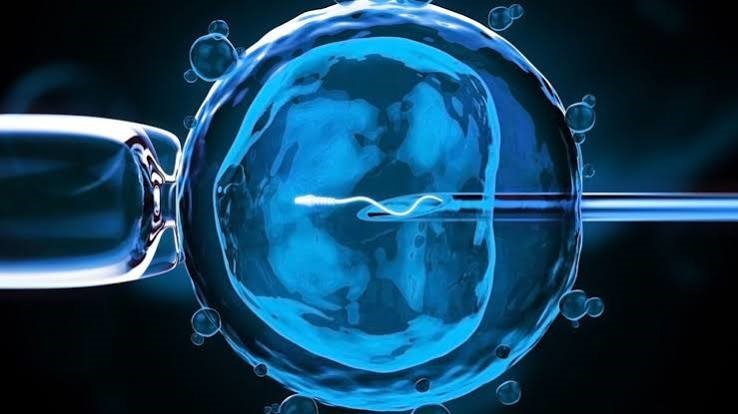
In a significant boost to reproductive healthcare in the South-South region, a hospital in Edo State has taken delivery of advanced IVF and fertility equipment, a development that is expected to dramatically improve access to assisted reproductive technology for couples grappling with infertility across the state and its environs.
The acquisition marks a major milestone in the hospital's vision to become a comprehensive centre for reproductive and specialist medical care, offering patients in Edo and surrounding states access to fertility treatments that previously required expensive trips to Lagos, Abuja, or abroad.
Infertility remains one of the most significant and emotionally challenging health challenges facing Nigerian couples. Studies conducted at the University of Benin Teaching Hospital (UBTH) fertility clinic indicate that financial constraints remain the greatest barrier to IVF uptake in Edo State, followed by educational gaps and sociocultural concerns. The move to expand IVF capacity in the state directly addresses the access dimension of this challenge.
IVF is a complex assisted reproductive procedure that involves retrieving eggs from the ovaries and fertilising them with sperm in a specialised laboratory. The resulting embryos are then transferred into the uterus, giving couples who have been unable to conceive naturally the chance to start a family.
The procedure requires sophisticated, precisely calibrated laboratory equipment including incubators, micromanipulation systems, cryopreservation units, and advanced imaging technology. The availability of such equipment within Edo State means that couples no longer have to endure the financial and emotional burden of travelling long distances to access care.
Hospital management described the investment as part of a long-term strategy to build a world-class reproductive medicine department that is accessible to a wider cross-section of Nigerians, including those from middle and lower-income backgrounds.
Nigeria's fertility care landscape remains severely underdeveloped relative to the scale of need. Approximately 30 per cent of women in sub-Saharan Africa experience some form of infertility, yet access to assisted reproductive technologies remains extremely limited, driven by the high cost of procedures, the geographical concentration of IVF facilities in a few urban centres, and the persistent social stigma surrounding infertility in many communities.
Research has consistently shown that women with tertiary education, a longer duration of marriage, and experience with primary or secondary infertility are more likely to consider IVF. However, even among those willing to pursue treatment, financial barriers remain the most significant obstacle, with the average cost of a single IVF cycle in Nigeria ranging from ₦500,000 to over ₦2 million, depending on the facility and the complexity of the case.
Against this backdrop, any expansion of IVF capacity outside the major commercial cities of Lagos and Abuja is a significant development, bringing the possibility of biological parenthood closer to home for thousands of couples who have previously gone without help.
Fertility specialists have long identified the intersection of religion, culture, and education as key determinants of IVF uptake in Nigeria. Research carried out at UBTH found a significant association between knowledge about IVF and willingness to pursue the treatment, indicating that well-designed public education campaigns have the potential to meaningfully increase utilisation among eligible couples who might otherwise remain unaware of their options.
The hospital's expansion is therefore expected to be accompanied by community engagement and sensitisation initiatives, aimed at breaking down myths about IVF, addressing religious and cultural concerns in a respectful and evidence-based manner, and ensuring that couples in the catchment area are aware of the services now available to them.
The development comes at a time when several states in the South-South are investing in improving their healthcare infrastructure as part of a broader push to provide residents with specialist services closer to home.
Edo State, under the leadership of Governor Monday Okpebholo, has been implementing a range of healthcare improvement initiatives, with a focus on upgrading tertiary and secondary healthcare facilities, improving maternal and child health outcomes, and attracting specialist medical investment to the state.
The acquisition of IVF equipment by a hospital in the state aligns with these broader goals, demonstrating the role that private sector medical investment can play in complementing government healthcare efforts and expanding the range of specialist services available to the population.
Healthcare advocates have welcomed the development, calling on the state and federal governments to introduce supportive policies that make IVF more affordable, including health insurance coverage for assisted reproductive procedures and subsidised access for low-income couples.
Related stories
 Health
World Brain Day: One Nigerian Suffers Stroke Every Minute, Neurologists Warn
Nigerian neurologists have warned that at least one Nigerian develops a stroke every minute, calling for urgent government action on World Brain Day to address the country's crippling shortage of specialists, infrastructure, and diagnostic tools.
 Health
Niger State Battles Mysterious Infectious Disease Outbreak, Records One Death
Authorities in Niger State, Nigeria, are responding to an infectious‑disease outbreak that has left at least one person dead and several others hospitalised in affected communities, with health officials working alongside national agencies to identify the cause, contain the spread and reassure residents.
 Health
WHO Warns Poor Access to Hepatitis Diagnosis and Treatment Is Driving Dangerous Surge in Africa
A new WHO‑linked analysis highlighted in ThisDay reports that Africa is witnessing a worrying surge in hepatitis B and C infections and deaths, largely because millions still cannot access timely testing, vaccination or life‑saving antiviral treatment, despite the availability of highly effective tools
 Health
Yohanna Kusau: The Quiet Health Worker Champion Transforming Primary Healthcare in Nigeria's FCT
Yohanna Kusau, a frontline health worker in Abuja's FCT, has been recognised as a 2026 PHC Champion under the NPHCDA's KNOW. TRUST. GO. Campaign for his extraordinary dedication to community healthcare.
Comments (0)
Leave a comment
All comments are moderated before publishing. Your email is never published.