
Bauchi to Distribute Starter Packs and Grants to 1,250 Youth Agripreneurs
The Bauchi State Government has set up a seven‑member committee to screen and distribute starter packs and cash grants to 1,250 youths and women trained as agripreneurs under its Integrated Agricultural Value Chain and Agribusiness Programme, aiming to boost food security, create jobs and build a new generation of modern farmers.
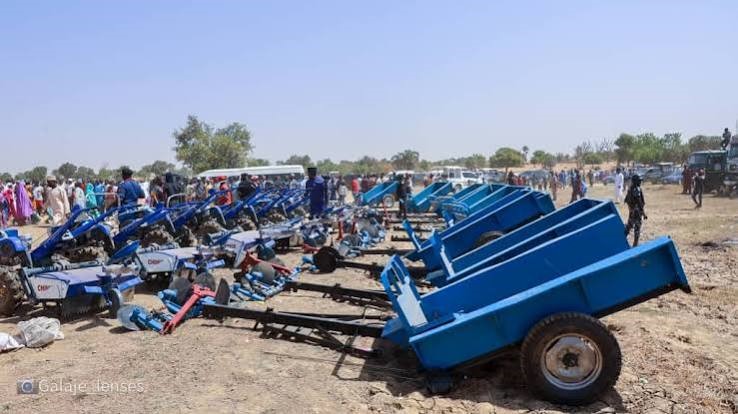
Bauchi State is moving to turn agricultural training into real businesses by distributing starter packs and grants to 1,250 young people and women who completed its Innovative and Integrated Agricultural Value Chain and Agribusiness Programme. The beneficiaries were trained in 2025 at the International Skill Acquisition Centre, CSS Farms, along the Keffi–Abuja Expressway in Nasarawa State, where they received practical exposure to different aspects of modern farming and agribusiness management. The new support package is intended to bridge the gap between classroom and field, giving trainees the tools and capital they need to actually start ventures rather than leaving them with skills but no means to use them.
According to Punch’s report, Commissioner for Agriculture Ilyasu Aliyu Gital announced that Governor Bala Mohammed has approved an enhanced support package in light of current economic realities, so that the starter packs and grants are substantial enough to make a difference. This initiative builds on an earlier intervention that trained and supported 1,000 youths and women, many of whom are already running enterprises across various agricultural value chains. By continuing and scaling the programme, the state government is signalling that agripreneurship—agriculture plus entrepreneurship—is central to its food‑security and employment strategy.
The starter packs are designed to be practical, sector‑specific kits that help beneficiaries kick‑start operations in areas such as crop production, livestock, poultry, processing or input supply. In similar Bauchi programmes, individual support has been valued in the hundreds of thousands of naira, combining equipment, inputs and sometimes small grants to cover early operating costs. Here again, the idea is that a young agripreneur might leave training with, for example, seeds, basic tools, small machinery or processing equipment and a cash injection, enabling them to set up in their community rather than migrate or remain unemployed.
To manage this process, the government has inaugurated a seven‑member committee with a clear mandate to keep the exercise transparent and accountable. The committee is chaired by the Permanent Secretary in the Ministry of Agriculture, Ibrahim Yusha’u, and includes the Director of Agricultural Services, the Director of Planning, Research and Statistics, representatives of the Accountant‑General and Auditor‑General, the Training Officer and the Director of Administration and Human Resources, who serves as Secretary. Their terms of reference cover verifying the 1,250 trainees, sorting them by local government area, conducting payments in all 20 LGAs, ensuring that beneficiaries show up in person to collect their cheques, co‑opting additional hands if needed, and submitting a comprehensive report when the exercise is complete.
Gital stressed that the overarching aim is to make beneficiaries self‑reliant and capable of generating employment in their communities. By equipping youth and women with practical agribusiness skills and backing them with starter packs and grants, the administration hopes to build a new generation of modern farmers, processors and agripreneurs who can drive value addition, market linkages and innovation in the state’s agricultural value chains. In practice, that means more local processing of produce, better storage and handling, stronger links to buyers and off‑takers, and ultimately more income retained within rural communities.
The commissioner also underlined that transparency will be central to the disbursement. Beneficiaries are to receive their cheques at the local‑government level, under supervision, rather than through opaque channels. This approach is meant to reduce leakages, ensure that support reaches the intended people, and build public trust in agricultural empowerment programmes which, in many places, have been criticised for favoritism or poor follow‑up.
This initiative fits within a wider pattern in Bauchi of using targeted starter packs and training to tackle unemployment and rural poverty. Previous programmes in the state have supported small‑scale business owners and trainees in both farm and non‑farm trades—ranging from crop production, poultry and fish farming to vocational skills like carpentry, solar installation and GSM repairs—often with starter kits provided at the end of training. The current agripreneurship drive is more focused on agriculture as a vehicle for food security and economic growth, aligning with national and regional concerns about rising food prices and youth joblessness.
For young people and women in Bauchi, the planned distribution is a concrete opportunity: it turns training into tangible support and gives them a launchpad to build sustainable agribusinesses. If effectively implemented and monitored, the programme could strengthen local food systems, create jobs, and demonstrate how state‑level investment in agripreneurs can pay off in both economic and social terms.
Sponsored

Related stories
 Agriculture
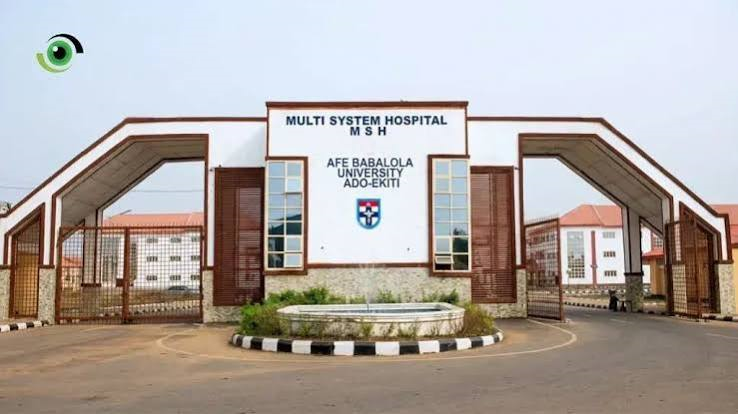
Babalola’s Farmer Support Hits N98m
Legal icon Aare Afe Babalola has disbursed N11.2 million to 81 outstanding farmers across Ekiti State's 16 local government areas, bringing total awards under his annual agricultural scheme since 2015 to N98 million.
 Agriculture
FG Launches African Swine Fever Control Campaign in Southwest
The Federal Government has launched a major African Swine Fever control and biosecurity campaign at the Oke-Aro Pig Farm Estate, distributing protective kits to farmers and pledging comprehensive training to prevent future outbreaks. The intervention by the Livestock Productivity and Resilience Support Project (L-PRES) targets one of Nigeria's largest pig production clusters, which has suffered devastating losses from the highly contagious disease in the past.
 Agriculture
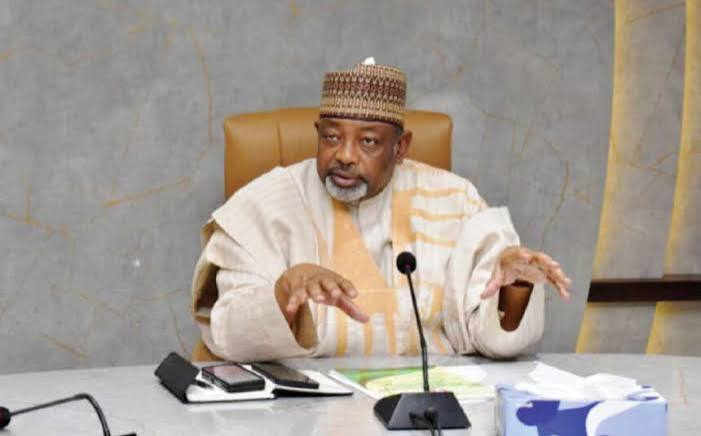
Kyari: More Farmland Won’t Feed 400 Million Nigerians
Agriculture Minister Abubakar Kyari says Nigeria must treat agricultural extension as critical infrastructure, disclosing that over 100,000 farmers already receive weekly digital advisories as the country's population heads toward 400 million by 2050.
 Agriculture
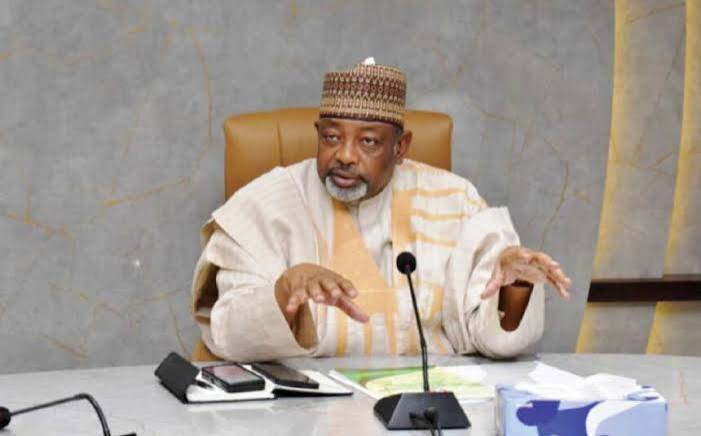
Farmland Expansion Alone Won’t Feed Nigeria
Agriculture Minister Abubakar Kyari says Nigeria must shift to demand-driven, AI-enabled agricultural extension services to boost farm yields, warning that expanding farmland alone can no longer feed the country's growing population.
Comments (0)
Leave a comment
All comments are moderated before publishing. Your email is never published.