
Niger State Battles Mysterious Infectious Disease Outbreak, Records One Death
Authorities in Niger State, Nigeria, are responding to an infectious‑disease outbreak that has left at least one person dead and several others hospitalised in affected communities, with health officials working alongside national agencies to identify the cause, contain the spread and reassure residents.
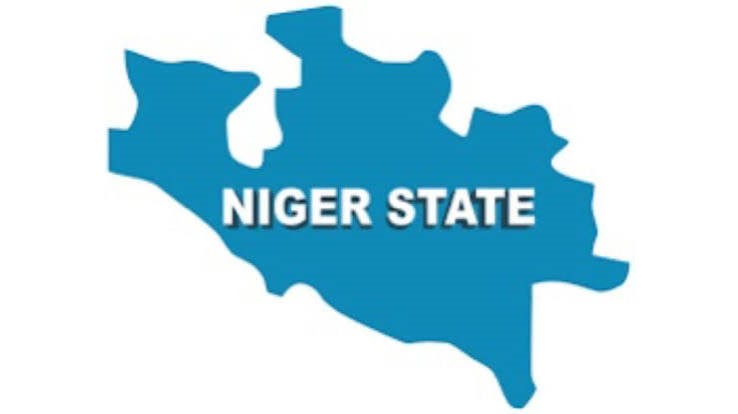
Punch’s report on “One dies as Niger battles infectious disease outbreak” describes a worrying but still‑emerging health situation: an unusual illness has appeared in parts of Niger State, causing clusters of cases and at least one confirmed death, prompting an official public‑health response. The article explains that local residents began reporting multiple people suddenly falling ill with similar symptoms in a short period of time, raising fears that the state might be facing a new or poorly understood infectious threat rather than isolated, unrelated cases. Health facilities in the area quickly became focal points for care and for gathering basic information about who was affected, what symptoms they had and how the illness might be spreading.
State health authorities have moved to investigate and manage the outbreak. According to the report, the Niger State Ministry of Health has deployed teams to the affected local government areas to support hospitals, collect data and coordinate a response that includes clinical care, surveillance and risk communication. Officials are working with national disease‑control bodies to run laboratory tests on samples from patients in order to pin down the exact cause—whether a known infection such as typhoid, malaria, meningitis, cholera or diphtheria, or something more unusual. In the meantime, they are treating the pattern as an infectious‑disease event, which means they are focusing on early detection of new cases, rapid treatment, and practical steps to limit further transmission.
The article notes that the illness has already resulted in one recorded death, underscoring the seriousness of the situation even though the total number of cases is still being confirmed. Several other patients are reported to have been admitted to hospitals for observation and management, with some stabilising and being discharged after receiving treatment. Health workers are monitoring symptoms and progression very closely, both to protect individual patients and to get a clearer picture of how severe the outbreak might become if not contained. For communities in the affected areas, the presence of a fatal case naturally heightens anxiety, especially in a context where rumours and incomplete information can spread quickly.
Highlights has been made on the role of public communication. State officials are reported to have urged residents not to panic, but to take sensible precautions and seek prompt medical attention if they or family members develop worrying symptoms. They are discouraging self‑medication and encouraging people to present at recognised health centres rather than relying on informal treatment or waiting until conditions become severe. At the same time, officials are emphasising that investigations are ongoing and that more precise guidance will be issued once laboratory results and epidemiological data clarify the situation.
The outbreak in Niger State fits into a wider pattern of infectious‑disease events in northern and central Nigeria in recent years—from diphtheria clusters and meningitis to localised episodes of “strange illnesses” later linked to poorly treated malaria and typhoid. In many of these situations, the early days look similar: sudden reports of multiple sick people, intense local concern, and a race by health authorities to separate fact from fear through testing and on‑the‑ground investigation. The Punch article suggests that Niger State is now in that crucial phase, where rapid, coordinated action can make the difference between a contained episode and a wider public‑health problem.
For readers and residents, the practical takeaway from the report is clear. Until more is known, it is wise to maintain good hygiene, use safe water, avoid crowding in poorly ventilated spaces, and pay attention to official advisories from the state Ministry of Health and national disease‑control agencies. If unusual or severe symptoms appear—such as high fever, sudden weakness, breathing difficulty, persistent diarrhoea or neurological signs,the safest course is to seek formal medical care quickly. The situation is serious enough to warrant concern and vigilance, but the authorities’ decision to openly acknowledge the outbreak and start structured investigations is a positive sign that the state is not ignoring the problem.
Related stories
 Health
Edo Hospital Acquires IVF Equipment, Expands Access to Fertility Treatment in South-South
An Edo State hospital has acquired advanced IVF equipment, significantly expanding access to assisted reproductive technology for couples struggling with infertility in the South-South region.
 Health
World Brain Day: One Nigerian Suffers Stroke Every Minute, Neurologists Warn
Nigerian neurologists have warned that at least one Nigerian develops a stroke every minute, calling for urgent government action on World Brain Day to address the country's crippling shortage of specialists, infrastructure, and diagnostic tools.
 Health
WHO Warns Poor Access to Hepatitis Diagnosis and Treatment Is Driving Dangerous Surge in Africa
A new WHO‑linked analysis highlighted in ThisDay reports that Africa is witnessing a worrying surge in hepatitis B and C infections and deaths, largely because millions still cannot access timely testing, vaccination or life‑saving antiviral treatment, despite the availability of highly effective tools
 Health
Yohanna Kusau: The Quiet Health Worker Champion Transforming Primary Healthcare in Nigeria's FCT
Yohanna Kusau, a frontline health worker in Abuja's FCT, has been recognised as a 2026 PHC Champion under the NPHCDA's KNOW. TRUST. GO. Campaign for his extraordinary dedication to community healthcare.
Comments (0)
Leave a comment
All comments are moderated before publishing. Your email is never published.