
Nigerian Filling Stations to Reduce Fuel Price Near ₦1,000 Per Litre Amid Pressure
Fuel marketers have indicated plans to reduce petrol prices towards ₦1,000 per litre as crude oil prices decline, while competition and regulatory pressure push refiners and retailers to lower costs.
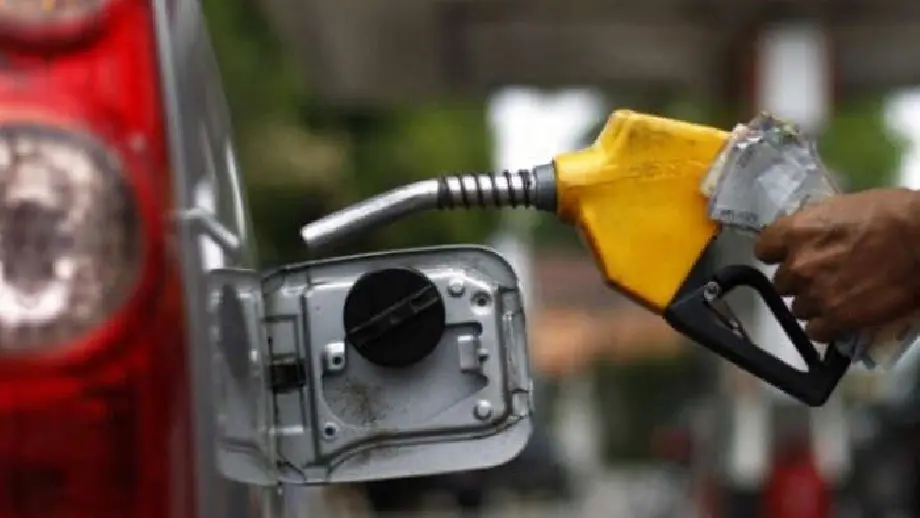
Nigerian filling stations have indicated plans to reduce the pump price of Premium Motor Spirit (PMS), popularly known as petrol, to around ₦1,000 per litre as competition intensifies in the downstream petroleum sector and global crude oil prices continue to decline.
The development follows a series of fuel price reductions recorded across the country in the past two weeks, raising expectations that motorists could soon enjoy further relief at the pumps.
The Nigerian National Petroleum Company Limited (NNPCL) recently adjusted its retail petrol price to ₦1,210 per litre, just two days after the Dangote Petroleum Refinery reduced its ex-depot price to ₦1,125 per litre.
The price adjustments came amid growing public calls for lower fuel prices following the sharp decline in international crude oil prices, which dropped to about $73 per barrel from over $100 per barrel after tensions in the Middle East eased.
The Federal Competition and Consumer Protection Commission (FCCPC) also warned marketers against profiteering and urged operators to ensure that consumers benefit from the reduction in crude oil prices.
A manager at an MRS filling station in Abuja, who spoke anonymously, disclosed that the retail outlet plans to further reduce its petrol price to between ₦1,191 and ₦1,201 per litre by Tuesday or Wednesday.
Similarly, the National Public Relations Officer of the Independent Petroleum Marketers Association of Nigeria (IPMAN), Chinedu Ukadike, confirmed that additional reductions are likely if global crude oil prices continue their downward trend.
According to Ukadike, petrol prices could eventually fall to ₦1,000 per litre or even lower if refiners and depot operators continue to reflect international market realities in their pricing.
He explained that competition among marketers would naturally drive prices down as operators strive to attract more customers.
Ukadike stressed that current fuel prices are largely determined by refiners and importers, noting that marketers are responding to prevailing market conditions.
He added that the deregulated market operates on the principles of demand and supply, making price adjustments inevitable whenever production costs decline.
As of Monday night, petrol sold between ₦1,210 and ₦1,300 per litre in Abuja and surrounding areas, while Brent crude traded at about $72 per barrel and West Texas Intermediate crude hovered around $70 per barrel, reinforcing expectations of additional price reductions in the coming days.
Related stories
 News
News
WhatsApp Replaces Phone Numbers with Usernames in New Privacy Update
WhatsApp has introduced username reservations, allowing users to connect without sharing phone numbers. The new privacy-focused feature also includes an optional username key for added protection against unwanted messages.
 News
News
Superior Firepower Only Solution to Ending Terrorism — Mahdi Shehu
Public affairs commentator Mahdi Shehu says terrorism can only be defeated through superior military force, rejecting amnesty for terrorists and insisting convicted criminals should face the full weight of the law.
 News
News
Security Personnel Foil Attempted Bandits’ Attack on NIPSS in Plateau
Security personnel repelled suspected bandits attempting to breach NIPSS in Plateau, forcing them to flee without casualties as authorities intensify security around strategic national institutions after recent threats.
 News
News
NSCDC Seeks Public Support to Protect FCT Infrastructure
The NSCDC has urged FCT residents to report vandalism and suspicious activities, warning that protecting critical infrastructure is a shared responsibility as enforcement against vandals and unlicensed security firms intensifies.
Comments (0)
Leave a comment
All comments are moderated before publishing. Your email is never published.