
2026 World Cup Redefines Global Football With Unprecedented Scale and Glamour
The 2026 World Cup expands to 48 teams, 104 matches, and becomes the largest edition hosted across North America.
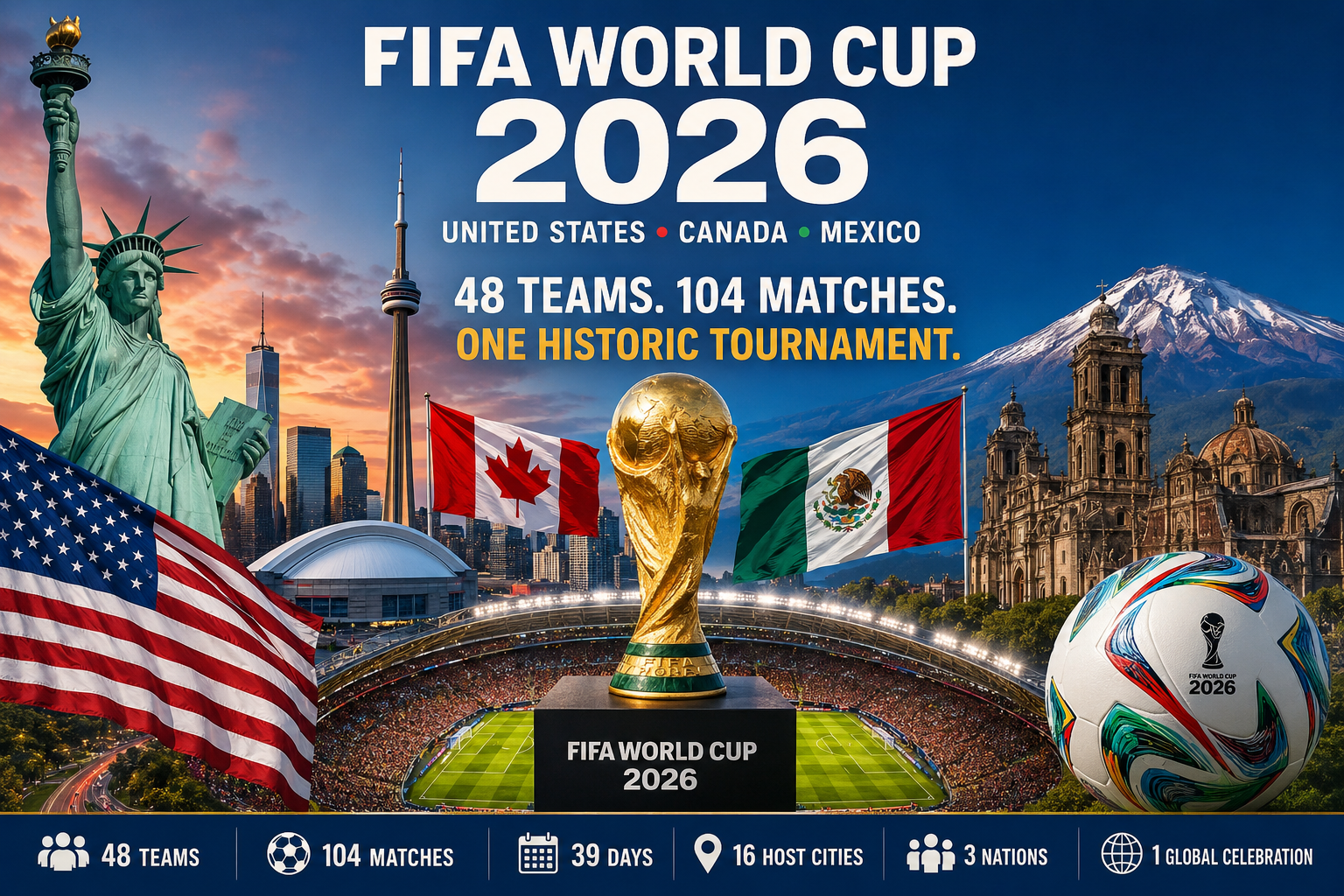
The FIFA World Cup in 2026 marks a historic turning point in world football, introducing an expanded format, a tri-nation hosting arrangement, and a scale never before seen in the tournament’s history. For the first time, the competition is being jointly hosted by the United States, Canada, and Mexico, spreading matches across a vast North American footprint. By expanding from 32 to 48 national teams, this becomes the largest World Cup ever staged, delivering a total of 104 matches that significantly increase the duration, intensity, and global reach of the competition.
The Calculus of Survival: Inside the New Format
The new structure features 12 groups of four teams, followed by a newly introduced Round of 32 knockout stage. Under this system, the top two teams from each group automatically advance, alongside the eight best third-placed teams, ensuring wider representation in the knockout rounds.
While the expansion opens the door for more nations to experience World Cup football beyond the group stage, it also introduces a far more complex qualification landscape. On final matchdays, survival could depend on cross-group comparisons, where a single goal, disciplinary record, or stoppage-time result in another group played thousands of miles away may ultimately determine a team’s fate.
Hollywood Meets the Azteca: A Continental Festival
Beyond structural change, the tournament delivers a new level of glamour and entertainment. Host cities across North America are transforming into global cultural hubs, blending elite football with music, tourism, and lifestyle entertainment.
Major venues now project distinct identities:
- The Luxury: Hollywood-inspired fan experiences and high-end suites in Los Angeles and Miami
- The Mosaic: Multicultural fan zones celebrating global diaspora communities in Toronto and Vancouver
- The Heritage: Deep football tradition anchored by the historic Estadio Azteca in Mexico City
This tri-nation format is expected to generate significant global tourism and economic activity, as millions of fans travel across three countries to follow their teams. Fan zones, concerts, and cultural showcases running alongside matches reinforce the tournament’s identity as both a sporting contest and a global entertainment festival.
Tactical Exhaustion and Unpredictability on the Pitch
On the pitch, expectations are more demanding than ever. The expanded format means teams targeting the trophy must now navigate a longer eight-match route to victory instead of the traditional seven. Coaches face unprecedented pressure, requiring deeper squads, smarter rotation strategies, and precise physical management across a congested 39-day schedule.
Analysts also anticipate heightened unpredictability. The inclusion of more teams increases the likelihood of surprise results, breakthrough individual performances, and underdog narratives. The expanded knockout structure also offers emerging football nations a more realistic pathway to deeper stages of the tournament.
A Redefinition of the World Cup
Ultimately, the 2026 edition of the FIFA World Cup represents more than an expanded competition. It signals a redefinition of global football itself, where scale, culture, and elite performance converge into a six-week continental spectacle.
It is no longer simply a tournament hosted across nations. It is a continuously unfolding global event that reshapes how football is experienced, consumed, and remembered.
Sponsored

Related stories
 Sports
EPL: Crystal Palace Come Back to Beat Forest; Hull Draw with Everton
Palace beat Forest after trailing, while Hull and Everton shared four goals in a draw.
 Sports
Puerto Rican Boxing Great Gomez Dies at 69
Wilfredo “Bazooka” Gomez, a three-weight world champion, leaves behind a record of 17 consecutive title defences by knockout.
 Sports
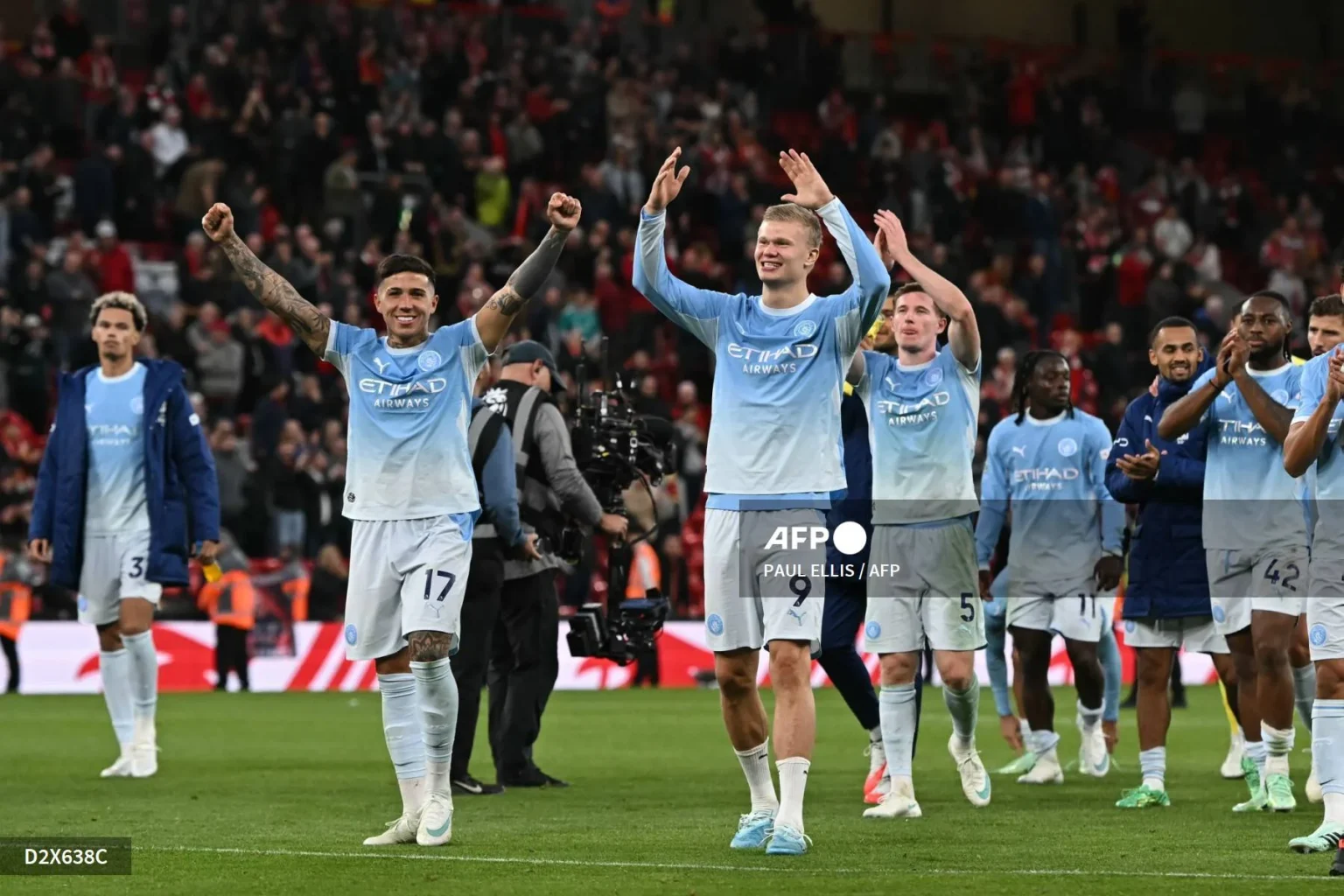
Man City Thrash Liverpool 3-0 Amid Financial Charges, Extend Lead at Top
Erling Haaland, Jeremy Doku and Rayan Cherki score as City beat Liverpool after Ryan Gravenberch’s second-half dismissal.
 Sports
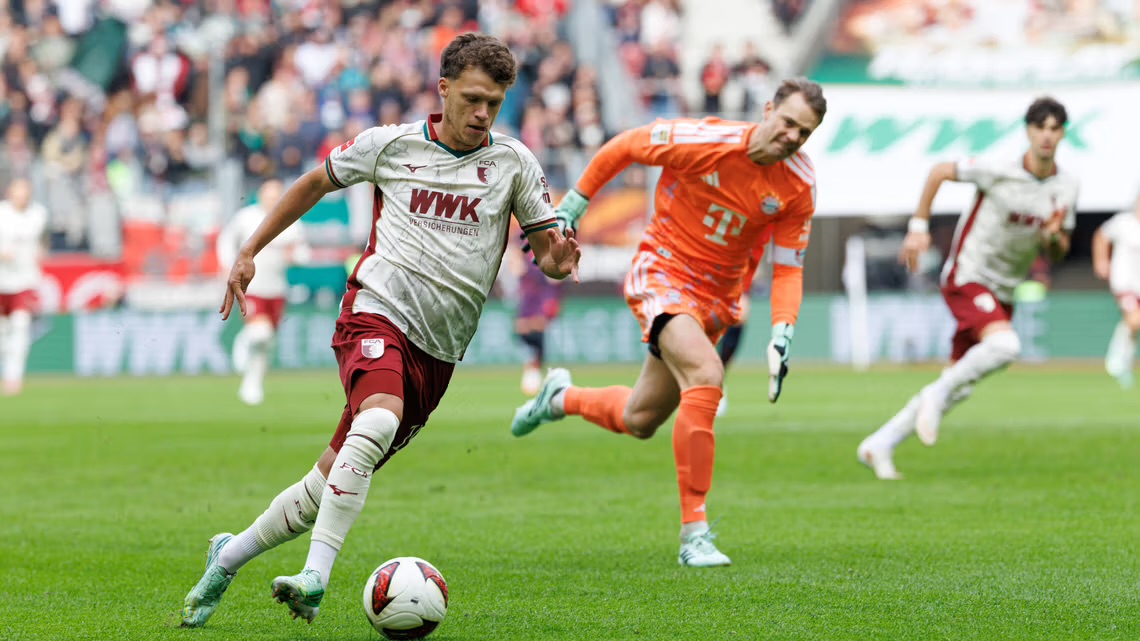
Augsburg Midfielder Scores Fastest Goal in Bundesliga History Against Bayern Munich
Robin Fellhauer scored after just eight seconds to set a Bundesliga record as Augsburg held Bayern Munich to a 2-2 draw.
Comments (0)
Leave a comment
All comments are moderated before publishing. Your email is never published.