
I Don’t Believe Abiola Was Poisoned — Abdulsalami
Former Head of State Abdulsalami Abubakar has dismissed claims that MKO Abiola was poisoned, saying the June 12 winner was already managing serious health conditions before his death.
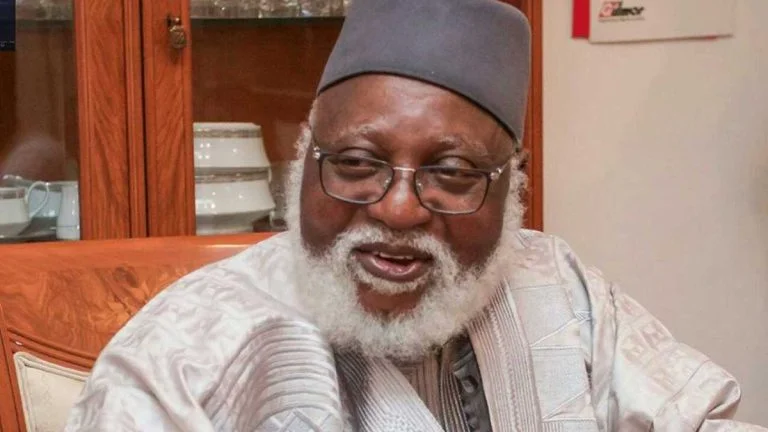
Former Head of State, Abdulsalami Abubakar, has rejected long-standing claims that the acclaimed winner of the June 12, 1993 presidential election, MKO Abiola, was poisoned.
He made the remarks in his autobiography published by Cable Books and distributed by Rovingheights Bookstores, with wider availability also reported on Amazon.
Abubakar stated that contrary to conspiracy theories that emerged after Abiola’s death, there was no credible evidence suggesting he was poisoned while in detention. He noted that Abiola had already been managing serious medical conditions prior to and during his incarceration.
According to him, reports circulating at the time of Abiola’s arrest in 1994 indicated that the political figure was dealing with health challenges that could significantly affect his quality of life, regardless of the circumstances surrounding his detention.
In excerpts from the book, Abubakar explained that several conspiracy theories emerged in the years following the June 12 political crisis, including claims that Abiola’s death was politically orchestrated.
He wrote that some narratives suggested that after the political crisis involving the late military Head of State, General Sani Abacha, there were attempts by unnamed interests to reshape Nigeria’s political transition process through targeted actions against key figures.
One theory, he noted, alleged that after Abacha’s death in June 1998, certain groups pushed for Abiola’s release and possible inauguration as president, but that he subsequently died in detention under suspicious circumstances. Abubakar, however, dismissed such accounts as speculative.
He maintained that while Nigeria’s political history remains deeply contested, it is important to distinguish between verified facts and unproven claims.
Abiola, widely regarded as the winner of Nigeria’s annulled June 12 presidential election, remains a central figure in the country’s democratic history and is often celebrated as a symbol of the struggle for civilian rule.
His death in 1998 while still in detention continues to generate debate, with differing accounts from political actors, historians, and members of the public.
Abubakar’s latest comments add to ongoing national reflection on the June 12 crisis and its legacy in Nigeria’s democratic journey.
Sponsored

Related stories
 News
News
UBEC Targets 29 Million Children in $552m World Bank Education Programme
HOPE-EDU targets 29 million children, 500,000 teachers, 65,000 public schools and 10,000 non-formal learning centres nationwide.
 News
News
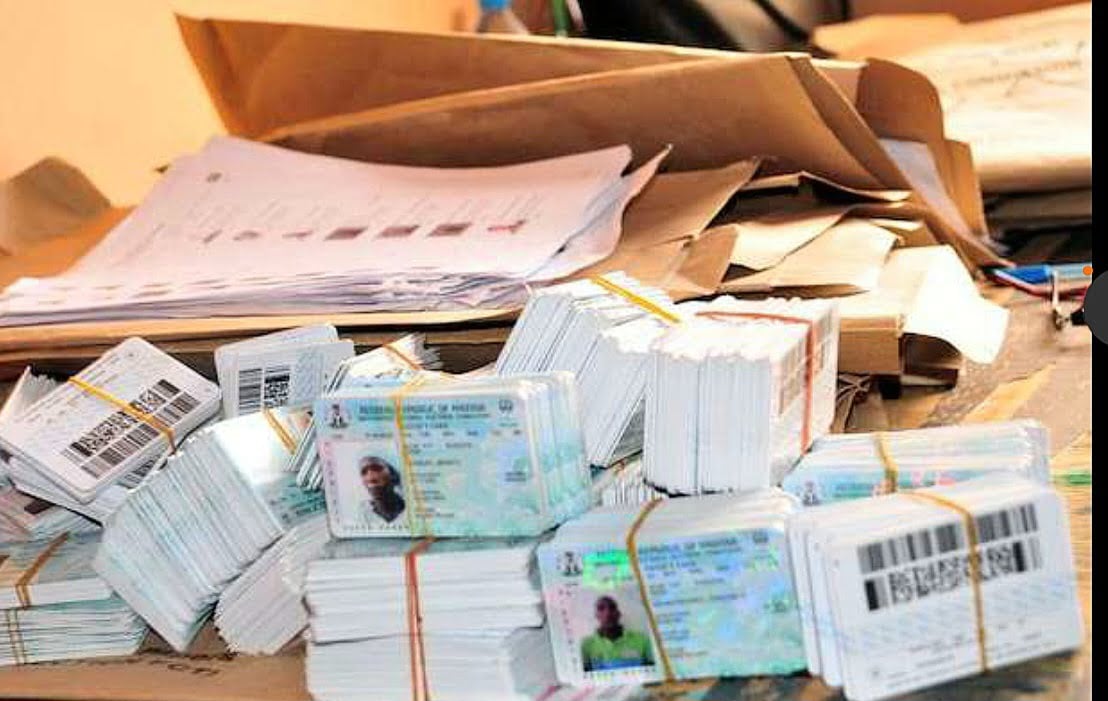
KACRAN Urges INEC to Extend PVC Collection by One Week, Says Millions Unaware
KACRAN urges INEC to extend voter card collection, warning that inadequate public awareness could prevent eligible Nigerians from participating.
 News
News
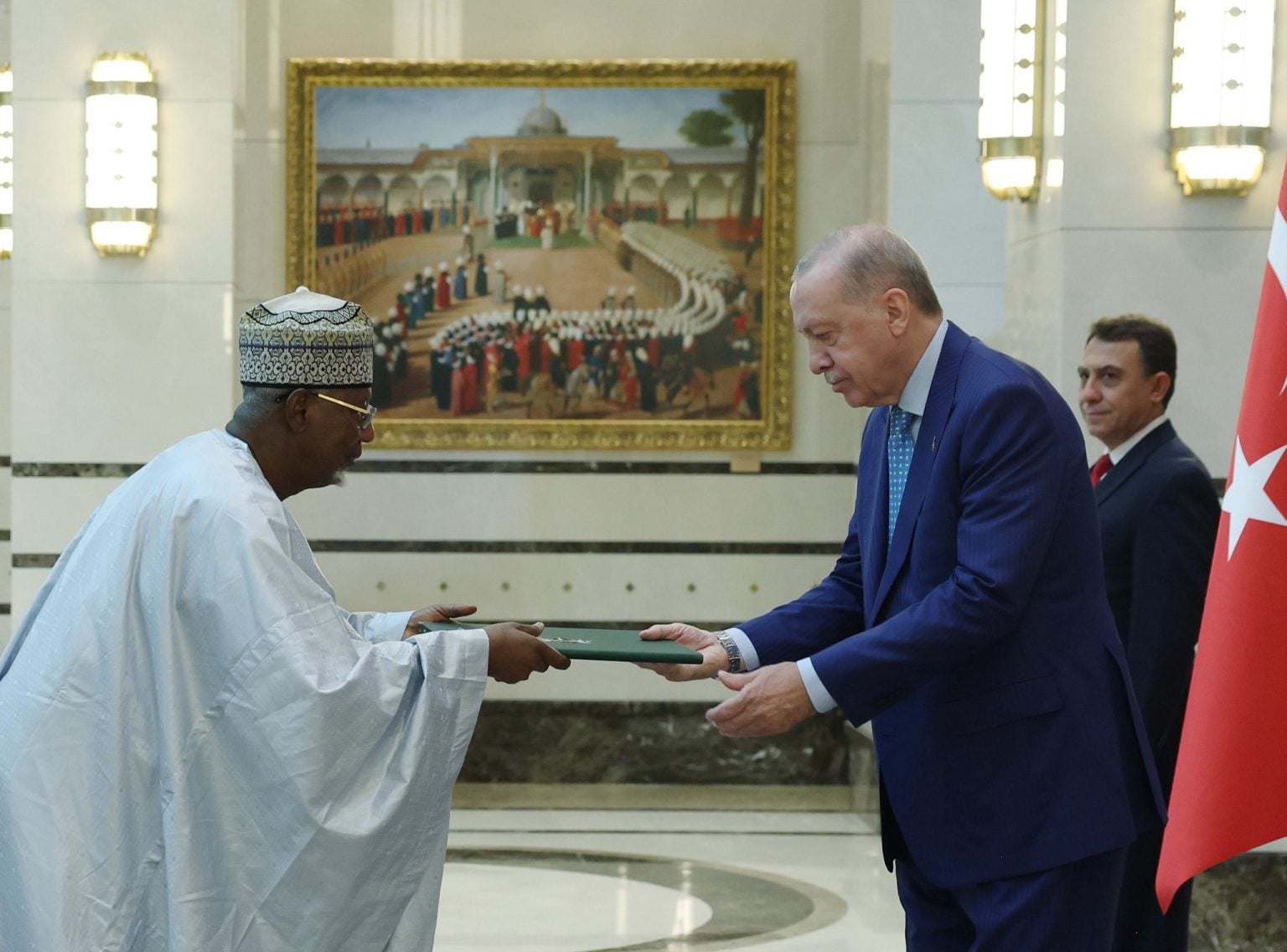
Nigeria’s Ambassador to Türkiye Presents Credentials to President Erdoğan
Nigeria’s ambassador Saidu Dakingari begins his diplomatic mission after presenting credentials to Erdoğan in Ankara.
 News
News
Epidemic Fears Mount as Bodies of NAF Crash Victims Remain Unrecovered
Ondo government orders river fumigation as residents report foul odour and fear possible contamination following the fatal aircraft crash.
Comments (0)
Leave a comment
All comments are moderated before publishing. Your email is never published.