
Alausa Tells Universities to Ensure Four-Year Courses Finish on Time
The Federal Government has pledged to ensure students complete four-year degree programmes within the stipulated period, while expanding a monitoring committee to oversee agreements with academic and non-academic staff unions.
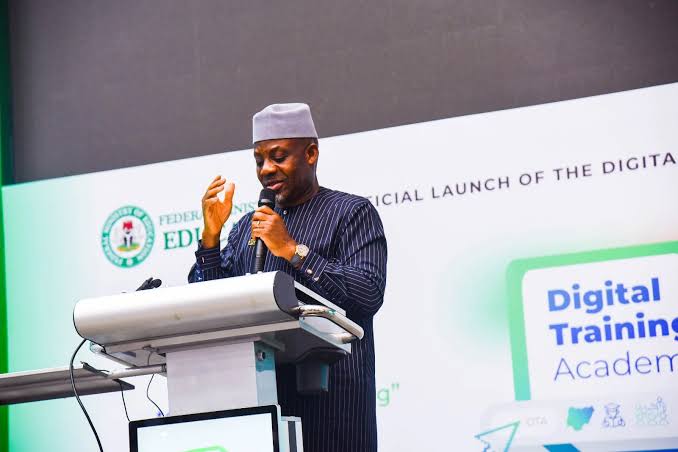
The Federal Government has reaffirmed its commitment to ensuring that students complete four-year degree programmes within four years, as part of efforts to prevent industrial disputes from disrupting academic calendars in tertiary institutions.
The Minister of Education, Dr Tunji Alausa, gave the assurance on Tuesday in Abuja while unveiling the 2026 agreements between the government and staff unions in universities, polytechnics and colleges of education.
Alausa said the agreements reflected President Bola Tinubu’s campaign pledge that students should complete their programmes within the prescribed period, rather than lose valuable academic years to strikes arising from unresolved labour disputes.
He said the government was determined to end recurring disagreements over unfulfilled commitments, which have delayed students’ progress and disrupted teaching and research.
As part of the measures, the minister announced plans to expand the existing Implementation and Monitoring Committee, established to oversee the agreement with the Academic Staff Union of Universities (ASUU).
The expanded committee will monitor agreements involving academic and non-academic staff unions across universities, polytechnics and colleges of education.
Its responsibilities will include tracking implementation milestones, assessing progress, identifying outstanding obligations and resolving challenges before they escalate into disputes capable of disrupting academic activities.
Alausa said the government intended to make the committee a permanent structure, adding that union leaders should use the established platform to address grievances through dialogue rather than resorting to public confrontations or strike threats.
He stressed that the success of the agreements would depend on faithful implementation by the government and the cooperation of the unions.
The minister also disclosed that the agreements provided for reviews every three years to accommodate emerging concerns and mutually agreed adjustments.
The National President of the Academic Staff Union of Polytechnics, Shammah Kpanja, described the negotiation process as the fastest in the union’s history. He said discussions began in December 2025 and culminated in the signing of the agreement in April 2026.
Kpanja disclosed that implementation had commenced, with members receiving outstanding arrears between July and September. However, he urged the government to ensure that all remaining provisions were implemented.
Similarly, the President of the Colleges of Education Academic Staff Union, Lawal Bazza, said more than 70 per cent of the agreement for the subsector had been implemented.
Bazza expressed confidence that the expanded monitoring committee would help address outstanding issues and accelerate implementation.
The government said the agreements were intended to strengthen industrial relations, improve accountability and create a more stable academic environment in which students could complete their studies without unnecessary delays.
Sponsored

Related stories
 News
News
IMF Says Nigerians Still Face High Living Costs Despite Economic Growth
The International Monetary Fund has urged the Federal Government to introduce targeted cash transfers and temporary income support for vulnerable households as food and energy costs continue to strain Nigerians despite improved economic growth.
 News
News
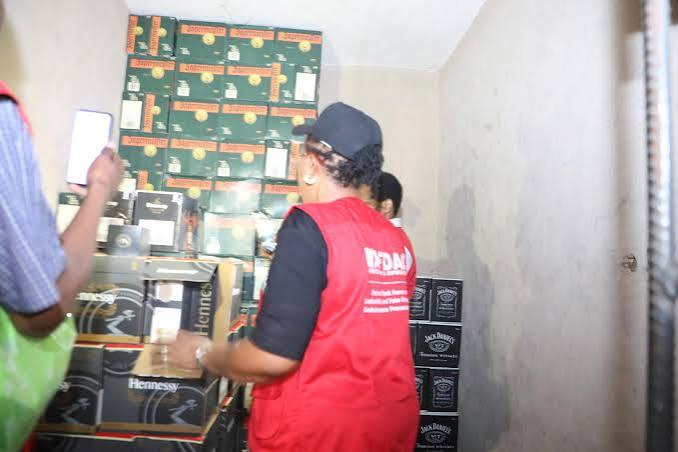
NAFDAC Arrests Two over Suspected Fake Drinks Operation in Lagos
NAFDAC has arrested two suspects at a facility in Lagos’ Trade Fair Complex over the alleged revalidation and repackaging of expired energy drinks, wines and whisky, warning of the health risks posed by counterfeit beverages.
 News
News
LCCI Proposes 20% Petrol Price Cut Within Six Months
The Lagos Chamber of Commerce and Industry has urged the Federal Government to introduce a six-month programme targeting a 15 to 20 per cent reduction in petrol pump prices to ease rising energy, transport and operating costs.
 News
News
Nigeria’s Private Capital Inflows Rise to $6bn as Reforms Gather Pace
World Bank Group President Ajay Banga says Nigeria’s private capital inflows have risen from about $300 million in 2023 to nearly $6 billion in 2026, while the Federal Government reports an increase in the tax-to-GDP ratio to 12.5 per cent.
Comments (0)
Leave a comment
All comments are moderated before publishing. Your email is never published.