
LCCI Proposes 20% Petrol Price Cut Within Six Months
The Lagos Chamber of Commerce and Industry has urged the Federal Government to introduce a six-month programme targeting a 15 to 20 per cent reduction in petrol pump prices to ease rising energy, transport and operating costs.

The Lagos Chamber of Commerce and Industry (LCCI) has proposed a six-month petrol price reduction programme aimed at cutting pump prices by between 15 and 20 per cent to ease the financial pressure on Nigerian businesses and households.
The Director-General of the chamber, Dr Chinyere Almona, made the proposal in a statement, urging the Federal Government to work with domestic refiners, petroleum marketers, regulators and other stakeholders to achieve gradual, measurable and sustainable reductions.
Almona welcomed the government’s proposed petrol price stabilisation mechanism, including a ceiling of ₦1,350 per litre on the ex-gantry or landing cost of petrol, subject to monthly reviews and public disclosure.
She described the proposal as recognition of the economic impact of sharp fluctuations in energy prices but warned that stabilising prices at elevated levels would not provide sufficient relief to businesses.
According to her, Nigerian enterprises are already facing high electricity tariffs, expensive alternative power sources, rising logistics expenses and costly financing, all of which affect production, distribution and competitiveness.
She said the proposed stabilisation mechanism could protect businesses from sudden price increases but would not automatically guarantee lower pump prices.
The LCCI chief also warned that requiring refiners and importers to absorb temporary increases in costs and recover them when market conditions improve could create deferred obligations that might eventually put renewed upward pressure on prices if not transparently managed.
To support the proposed reduction programme, the chamber called for more predictable and commercially viable crude oil supplies to domestic refineries. It said reliable supplies could reduce procurement uncertainty, foreign exchange exposure and avoidable logistics expenses.
The LCCI also recommended accelerating alternative transportation options, including compressed natural gas (CNG) and electric vehicle infrastructure, to reduce the cost of moving people and goods.
Other measures proposed include addressing transport bottlenecks, improving storage and distribution facilities, eliminating unlawful charges and maintaining exchange-rate and macroeconomic stability.
Almona stressed that any price-smoothing arrangement should have clear rules governing its implementation, the recovery of accumulated costs and the circumstances under which it would begin or end.
She cautioned against a system that imposed unlimited losses on refiners and importers, discouraged investment or triggered fuel shortages.
The chamber maintained that the success of the programme should be measured by actual reductions in petrol expenditure, transport and distribution costs, alongside improved business competitiveness and meaningful relief for consumers.
It added that Nigeria could not indefinitely shield its petroleum market from international oil price movements, making the reduction of domestic supply and distribution costs essential to achieving lasting relief.
Sponsored

Related stories
 News
News
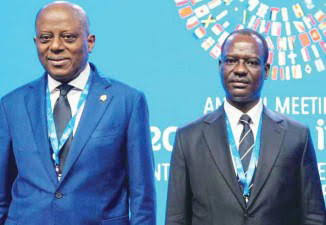
IMF Says Nigerians Still Face High Living Costs Despite Economic Growth
The International Monetary Fund has urged the Federal Government to introduce targeted cash transfers and temporary income support for vulnerable households as food and energy costs continue to strain Nigerians despite improved economic growth.
 News
News
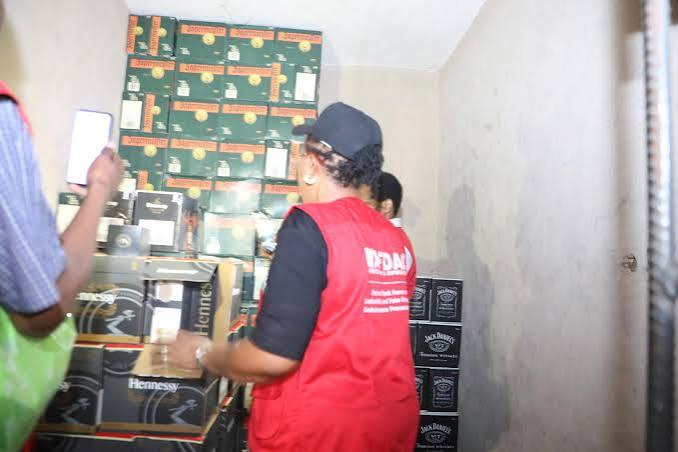
NAFDAC Arrests Two over Suspected Fake Drinks Operation in Lagos
NAFDAC has arrested two suspects at a facility in Lagos’ Trade Fair Complex over the alleged revalidation and repackaging of expired energy drinks, wines and whisky, warning of the health risks posed by counterfeit beverages.
 News
News
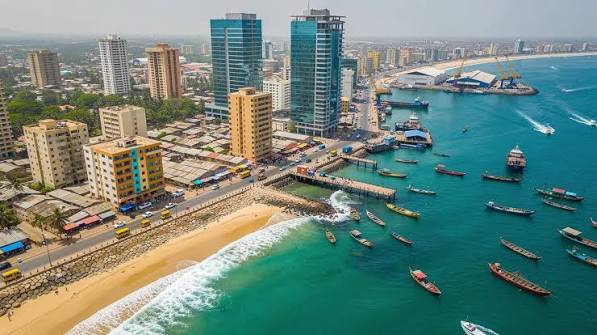
Nigeria’s Private Capital Inflows Rise to $6bn as Reforms Gather Pace
World Bank Group President Ajay Banga says Nigeria’s private capital inflows have risen from about $300 million in 2023 to nearly $6 billion in 2026, while the Federal Government reports an increase in the tax-to-GDP ratio to 12.5 per cent.
 News
News
INEC Gives Pantami, Adebutu October 24 Deadline to Challenge Omissions
The Independent National Electoral Commission has given political parties until October 24 to report alleged errors in its final list of candidates for the 2027 governorship elections, following the omission of PDP candidates Isa Pantami and Oladipupo Adebutu.
Comments (0)
Leave a comment
All comments are moderated before publishing. Your email is never published.