
UBEC Targets 29 Million Children in $552m World Bank Education Programme
HOPE-EDU targets 29 million children, 500,000 teachers, 65,000 public schools and 10,000 non-formal learning centres nationwide.

The Universal Basic Education Commission (UBEC) has said a $552.18 million education programme supported by the World Bank and the Global Partnership for Education will target 29 million children across Nigeria.
The Human Capital Opportunities for Prosperity and Equity for Quality Basic Education for All (HOPE-EDU) programme also targets 500,000 teachers, 65,000 public schools, 10,000 non-formal learning centres and the construction of 13,000 new classrooms.
UBEC Executive Secretary, Dr Aisha Garba, disclosed the targets on Tuesday during a two-day meeting with chairmen of State Universal Basic Education Boards (SUBEBs) in Abuja, where officials discussed preparations for implementing the programme.
Garba said HOPE-EDU became effective on February 27, 2026, and had entered its implementation phase. She urged state governments to demonstrate the political will and provide the financial commitment needed to achieve the programme’s objectives.
The initiative is designed to improve learning outcomes, expand access to basic education and strengthen governance and accountability in the sector. It adopts a results-based financing model under which disbursements are tied to agreed targets and verified performance indicators.
According to Garba, the programme is organised around three areas: improving the quality of basic education, increasing access to learning and strengthening education systems.
She said $262.239 million had been allocated to improving education quality, $123.9 million to expanding access and $133.611 million to strengthening key systems.
The quality improvement component is open to 33 states, with possible expansion to all 36 states and the Federal Capital Territory, subject to participation in the HOPE-Governance programme. The access component targets 15 states with the largest populations of out-of-school children that meet the programme’s eligibility requirements.
Garba emphasised that states would play a central role in delivering the programme through their education ministries, SUBEBs, Local Education Authorities, schools and community-based management committees.
She also highlighted the importance of the 2027 state budgets, noting that several first-year targets would depend on states making adequate financial provisions for planned activities.
The programme will support structured teaching methods for literacy and numeracy, provide learning resources, strengthen teacher development and expand opportunities for children who face barriers to education.
The initiative forms part of broader efforts to improve Nigeria’s basic education system, particularly for children in underserved communities. Its success will depend on effective coordination, timely funding, transparent implementation and states meeting the agreed performance targets.
Sponsored

Related stories
 News
News
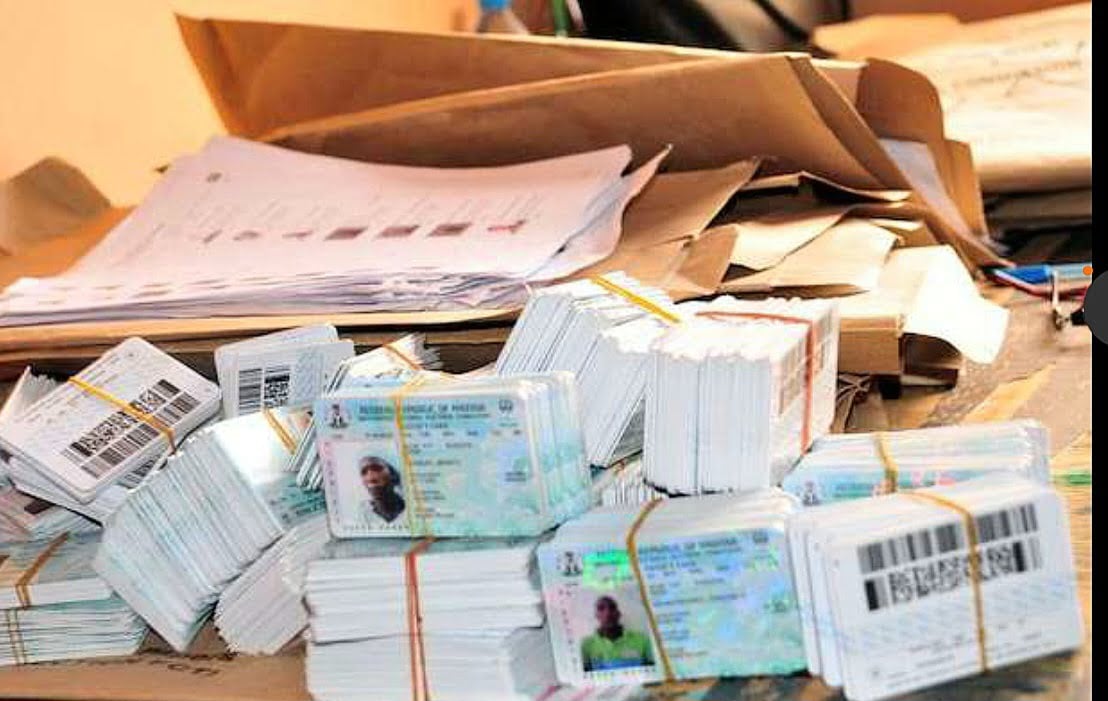
KACRAN Urges INEC to Extend PVC Collection by One Week, Says Millions Unaware
KACRAN urges INEC to extend voter card collection, warning that inadequate public awareness could prevent eligible Nigerians from participating.
 News
News
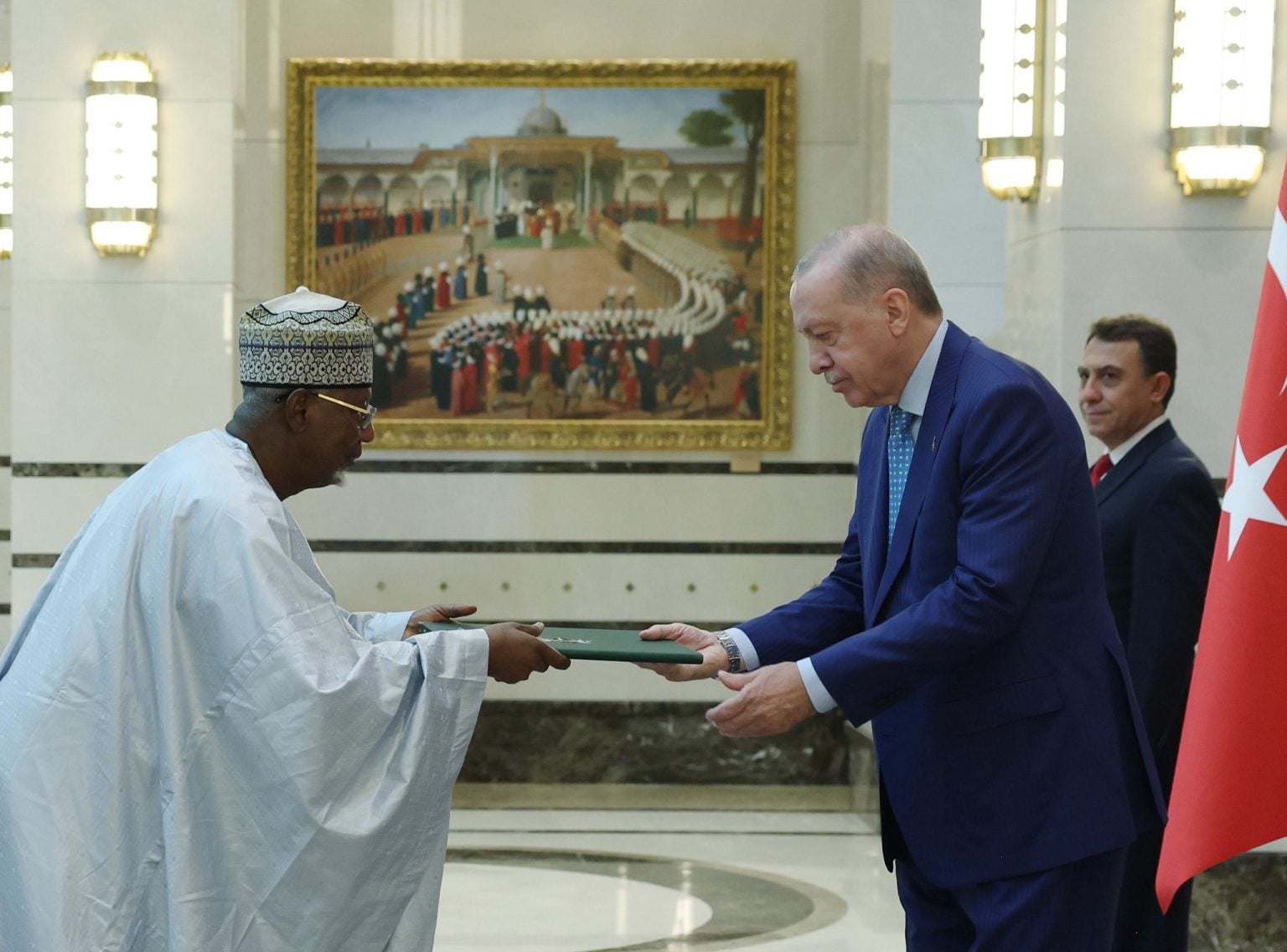
Nigeria’s Ambassador to Türkiye Presents Credentials to President Erdoğan
Nigeria’s ambassador Saidu Dakingari begins his diplomatic mission after presenting credentials to Erdoğan in Ankara.
 News
News
Epidemic Fears Mount as Bodies of NAF Crash Victims Remain Unrecovered
Ondo government orders river fumigation as residents report foul odour and fear possible contamination following the fatal aircraft crash.
 News
News
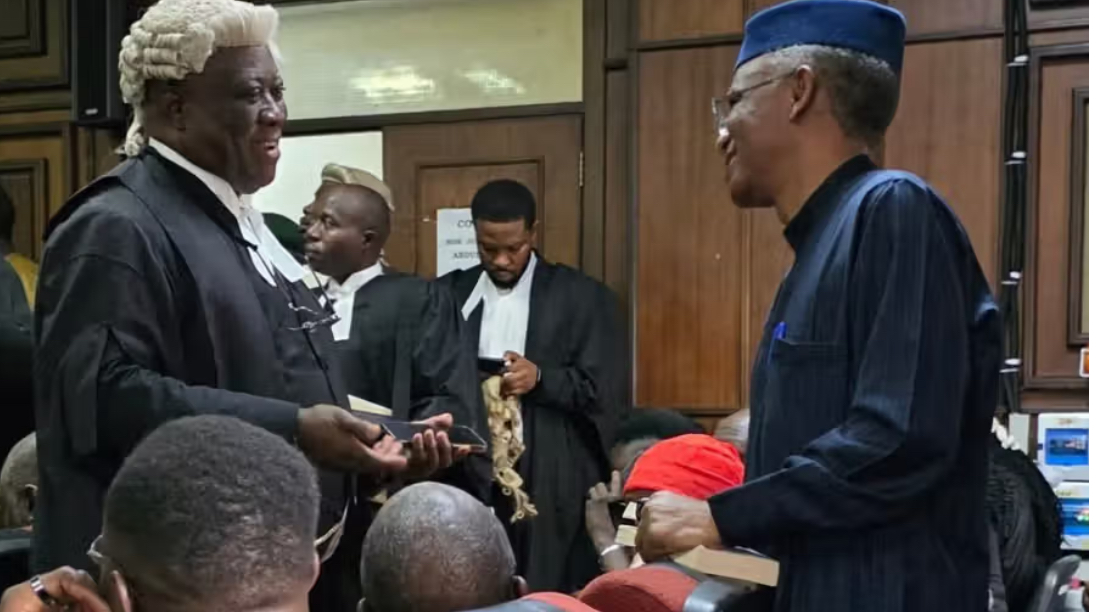
El-Rufai’s Associates Earmarked $600,000 to Compromise EFCC Probe, DSS Witness Alleges
DSS forensic investigator tells Kaduna court $500,000 was earmarked for EFCC officials and $100,000 for an intermediary.
Comments (0)
Leave a comment
All comments are moderated before publishing. Your email is never published.