
Nigeria’s Private Capital Inflows Rise to $6bn as Reforms Gather Pace
World Bank Group President Ajay Banga says Nigeria’s private capital inflows have risen from about $300 million in 2023 to nearly $6 billion in 2026, while the Federal Government reports an increase in the tax-to-GDP ratio to 12.5 per cent.
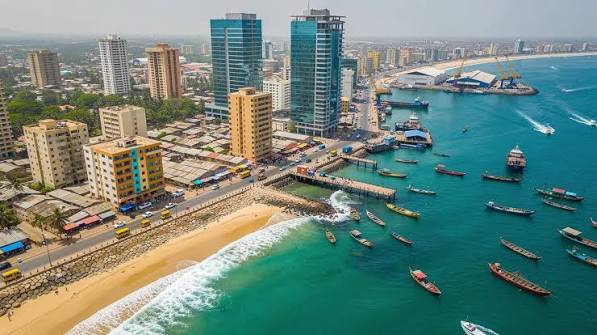
Nigeria’s private capital inflows have risen nearly 20-fold to almost six billion dollars in 2026 from approximately 300 million dollars in 2023, according to World Bank Group President Ajay Banga.
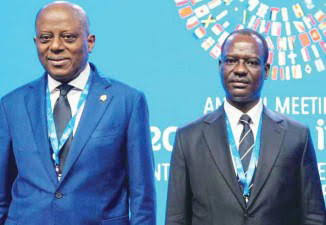
Banga disclosed this on Monday during a meeting with the Minister of Finance and Coordinating Minister of the Economy, Mr Taiwo Oyedele, and the Governor of the Central Bank of Nigeria (CBN), Mr Olayemi Cardoso, on the sidelines of the 2026 International Monetary Fund (IMF) and World Bank Group Annual Meetings in Bangkok, Thailand.
He commended Nigeria’s progress in attracting private investment, describing the increase in capital inflows as an indication of growing investor interest in the economy.
The discussions focused on how the country could translate macroeconomic stability into faster economic growth, increased private investment and stronger domestic revenue generation.
The meeting also explored opportunities for Nigeria to leverage World Bank guarantee instruments to unlock infrastructure financing and attract additional private capital into the domestic economy.
Oyedele highlighted improvements in Nigeria’s economic performance and disclosed that the country’s tax-to-Gross Domestic Product (GDP) ratio had increased from approximately seven per cent to 12.5 per cent.
He said the improvement had strengthened the government’s capacity to finance public investment without resorting to deficit monetisation.
The minister noted that the government was working to consolidate the gains of its economic reforms and create conditions for sustained investment, job creation and improved living standards.
The engagement formed part of the Federal Government’s broader efforts to deepen cooperation with international financial institutions and mobilise funding for infrastructure and other productive sectors.
The World Bank’s engagement with Nigerian officials also underscored the importance of ensuring that improvements in macroeconomic indicators translate into stronger economic activity and broader development outcomes.
The government is seeking to attract more private investment while improving domestic revenue mobilisation to support public spending and reduce reliance on deficit financing.
The discussions are expected to inform further engagement on investment guarantees, infrastructure financing and measures to sustain Nigeria’s economic reform programme.
Sponsored

Related stories
 News
News
IMF Says Nigerians Still Face High Living Costs Despite Economic Growth
The International Monetary Fund has urged the Federal Government to introduce targeted cash transfers and temporary income support for vulnerable households as food and energy costs continue to strain Nigerians despite improved economic growth.
 News
News
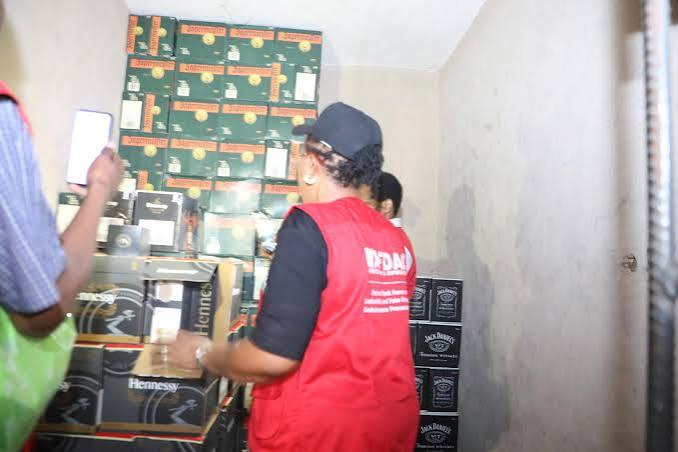
NAFDAC Arrests Two over Suspected Fake Drinks Operation in Lagos
NAFDAC has arrested two suspects at a facility in Lagos’ Trade Fair Complex over the alleged revalidation and repackaging of expired energy drinks, wines and whisky, warning of the health risks posed by counterfeit beverages.
 News
News
LCCI Proposes 20% Petrol Price Cut Within Six Months
The Lagos Chamber of Commerce and Industry has urged the Federal Government to introduce a six-month programme targeting a 15 to 20 per cent reduction in petrol pump prices to ease rising energy, transport and operating costs.
 News
News
INEC Gives Pantami, Adebutu October 24 Deadline to Challenge Omissions
The Independent National Electoral Commission has given political parties until October 24 to report alleged errors in its final list of candidates for the 2027 governorship elections, following the omission of PDP candidates Isa Pantami and Oladipupo Adebutu.
Comments (0)
Leave a comment
All comments are moderated before publishing. Your email is never published.