
Former Security Directors Validate Gen. Buratai’s Warnings Following Fatal Attack on Senior Army General
Former military directors and regional analysts state that the execution of Major General Rabe Abubakar validates General Tukur Buratai’s warning that unchecked banditry would target the highest levels of state authority.
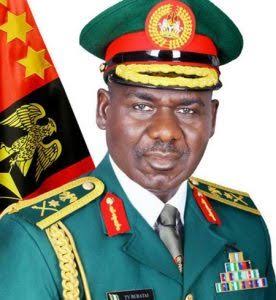
Prominent retired military strategists and regional defense commentators have declared that the fatal ambush of Major General Rabe Abubakar has fully vindicated the long-standing security assessments put forward by former Chief of Army Staff, Lieutenant General Tukur Buratai (retd.). Analysts argue that the bold capture, torture, and ultimate execution of an active high-ranking general by non-state actors represents a dangerous collapse of tactical deterrence, signaling that the nation's internal security crisis has crossed a critical threshold.
The public validation follows a formal warning issued by General Buratai, who cautioned that if Nigeria's security framework remains entirely reactive, the operational scope of bandits and insurgents will expand from rural communities to directly target high-level political leaders.
In reviewing the tactical breakdown of contemporary insurgent networks, security experts noted that criminal syndicates have evolved far beyond basic hit-and-run cells, requiring an immediate departure from "business as usual" methods:
- Sophisticated Criminal Assets: Defense analysts emphasized that modern bandit networks do not rely on basic weaponry alone. Instead, they operate with heavy arms, deep funding channels, and intelligence apparatuses that actively rival conventional state forces, rendering standard policing methods obsolete.
- The Blueprint for Unified Action: To eliminate bureaucratic delays, advocates are backing Buratai’s proposal to establish an independent National Emergency Command. Modeled after the inter-agency coordination seen during the COVID-19 Task Force, this unified command would report directly to the President with a strict, time-bound mandate to clear bandit fortresses.
- Dismantling the Facilitation Network: Experts assert that military force must be paired with aggressive financial investigations. The updated counter-insurgency plan urges federal authorities to track down, arrest, and prosecute internal collaborators, including illegal miners, compromised local informants, and professional ransom negotiators who financially sustain the conflict.
- State-Level Enforcement: Regional socio-political groups, including the pan-Yoruba organization Afenifere, have echoed these warnings, urging state governors to stop treating security as a strictly federal problem. They are calling for the rapid expansion of vetted community vigilante groups and state policing initiatives tied into a centralized intelligence network.
Strategic analysts conclude that treating the death of Major General Abubakar as an isolated incident would be a catastrophic mistake. The consensus remains that without a radical shift toward a proactive offensive model, future security crises could compromise state executives and fundamentally destabilize the country's democratic governance.
Related stories
 News
News
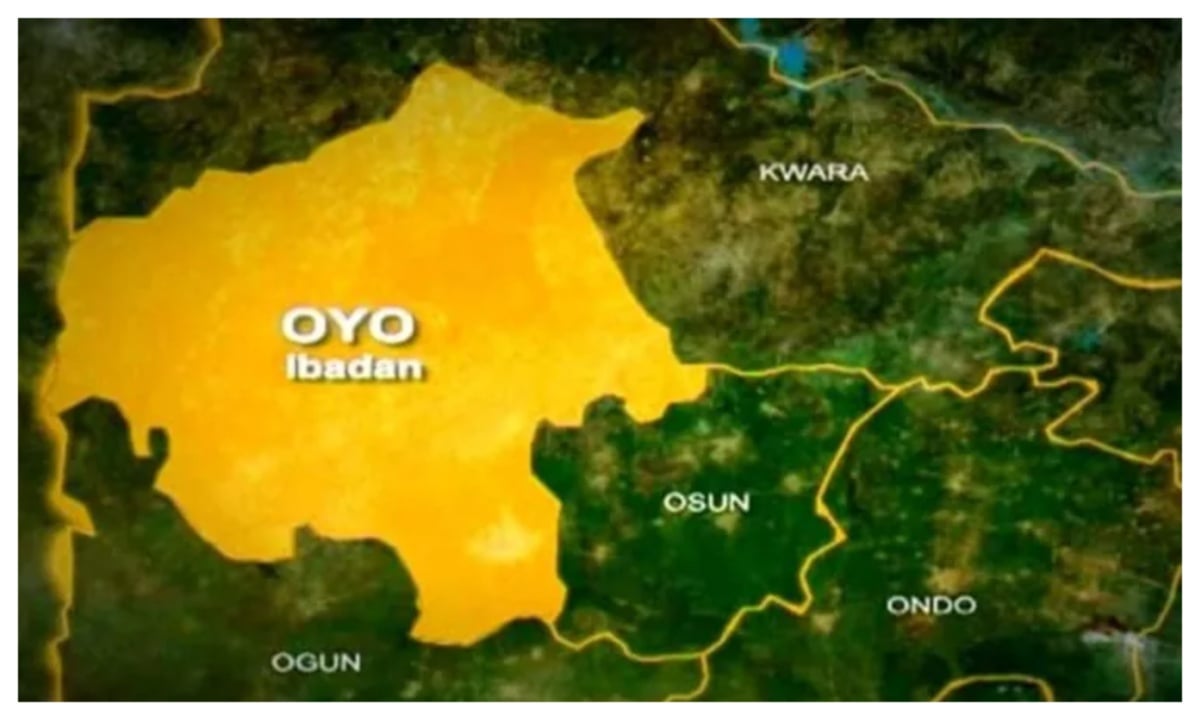
Uncertainty Clouds Reported Release of Abducted Victims in Igboho, Oyo State
Reports of abducted victims being released in Igboho, Oyo State remain unclear, as security agencies deny any confirmed rescue while local claims suggest otherwise, leaving the situation unresolved and surrounded by conflicting narratives.
 News
News
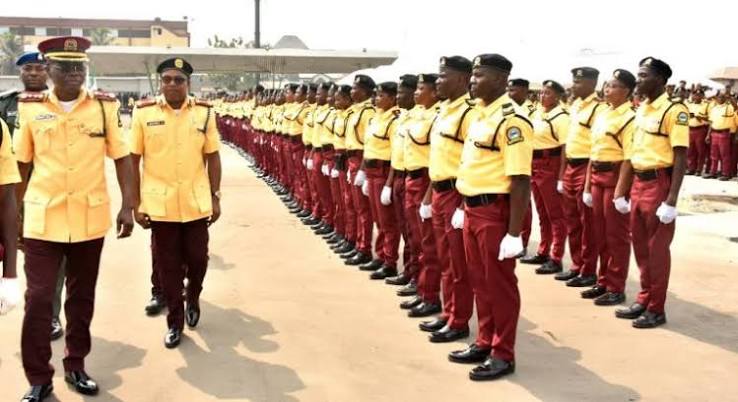
LASTMA Intervenes to Save 353 Road Accident Victims Within Five Months
LASTMA emergency responders successfully rescued 353 accident victims, comprising 207 men, 137 women, and 9 children, across Lagos State between January and May 2026.
 News
News
Wike-Backed Camp Initiates Reconciliation Moves Toward Bode George, Party Elders
The pro-Wike faction of the Lagos PDP has initiated diplomatic outreaches to court Chief Bode George and other foundational elders in an effort to stabilize the party structure.
 News
News
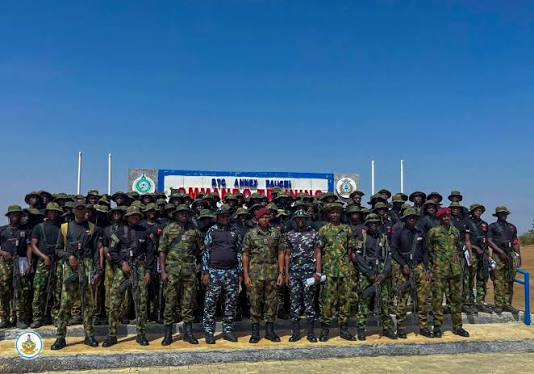
Nigerian Air Force Deploys 111 Elite Special Forces Operators to Neutralize Evolving National Security Threats
The Nigerian Air Force has expanded its combat ready ranks by graduating 111 elite personnel from Special Forces Course 13/2026 at the Bauchi training annex.
Comments (0)
Leave a comment
All comments are moderated before publishing. Your email is never published.