
Can Private Clubs Rival Govt-Backed 'Giants' in New-Look NPFL?
The Nigeria Professional Football League (NPFL) is set for a potential shift in power dynamics as four newly promoted privately owned clubs prepare to join the top flight ahead of the 2026/27 season.
The landscape of the Nigeria Professional Football League (NPFL) is facing an interesting shift as four newly promoted, privately-owned clubs prepare to enter the top-flight division ahead of the 2026/2027 season, The Guardian reports. The influx has sparked widespread debate over whether independently financed teams can genuinely break the dominance of traditional, state-funded heavyweights.
Historically, the ownership structure of Nigerian football shifted dramatically in the 1970s when state governments took over the sector. Backed by deep public pockets and operating free from commercial pressure, these government-backed teams introduced a "win-at-all-costs" mentality. Consequently, many historic private clubs were forced to close shop, unable to survive in an uneven, high-cost operational environment lacking a level playing field.
However, current developments suggest a changing tide. Privately-owned sides like Ikorodu City have already established themselves as serious contenders for continental slots. Analysts and former internationals argue that private ownership introduces a long-overdue corporate structure that treats football as a business rather than a tool for political patronage.
Ex-international and football analyst Edema Fuludu noted the structural edge private entities bring to the domestic game:
"I think privately owned clubs are better structured like business entities and not for political gains or patronage, which almost all government-owned clubs are," Fuludu stated. "The coming of these four new clubs into the NPFL itself means a lot to the advancement of the league since they will want to get returns on investment on their hard-earned finances. This, though, is with a caveat if the league owners will allow a level playing field."
Industry stakeholders emphasize that while state teams burn through surplus public funds, private owners understand the precise value of capital, leading to sharper recruitment and better player welfare.
For private capital to truly revolutionize the league, however, systemic infrastructural deficits must be addressed. Stakeholders point out that Nigeria currently boasts only one CAF-approved stadium, the Godswill Akpabio International Stadium in Uyo. To entice further multi-million naira private investments, league administrators must prioritize building standardized facilities and ensuring transparent officiating to protect independent investors from institutional bias.
Sponsored

Related stories
 Sports
EPL: Crystal Palace Come Back to Beat Forest; Hull Draw with Everton
Palace beat Forest after trailing, while Hull and Everton shared four goals in a draw.
 Sports
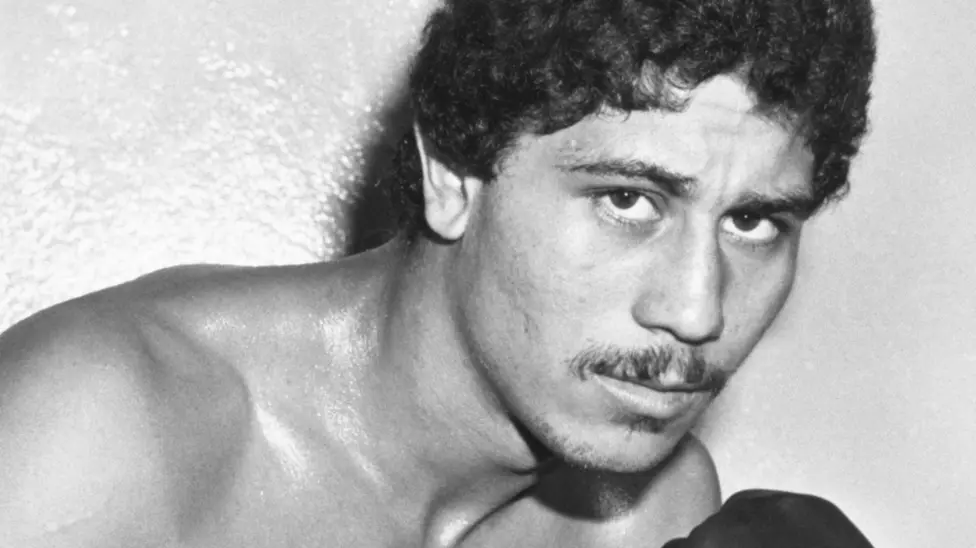
Puerto Rican Boxing Great Gomez Dies at 69
Wilfredo “Bazooka” Gomez, a three-weight world champion, leaves behind a record of 17 consecutive title defences by knockout.
 Sports
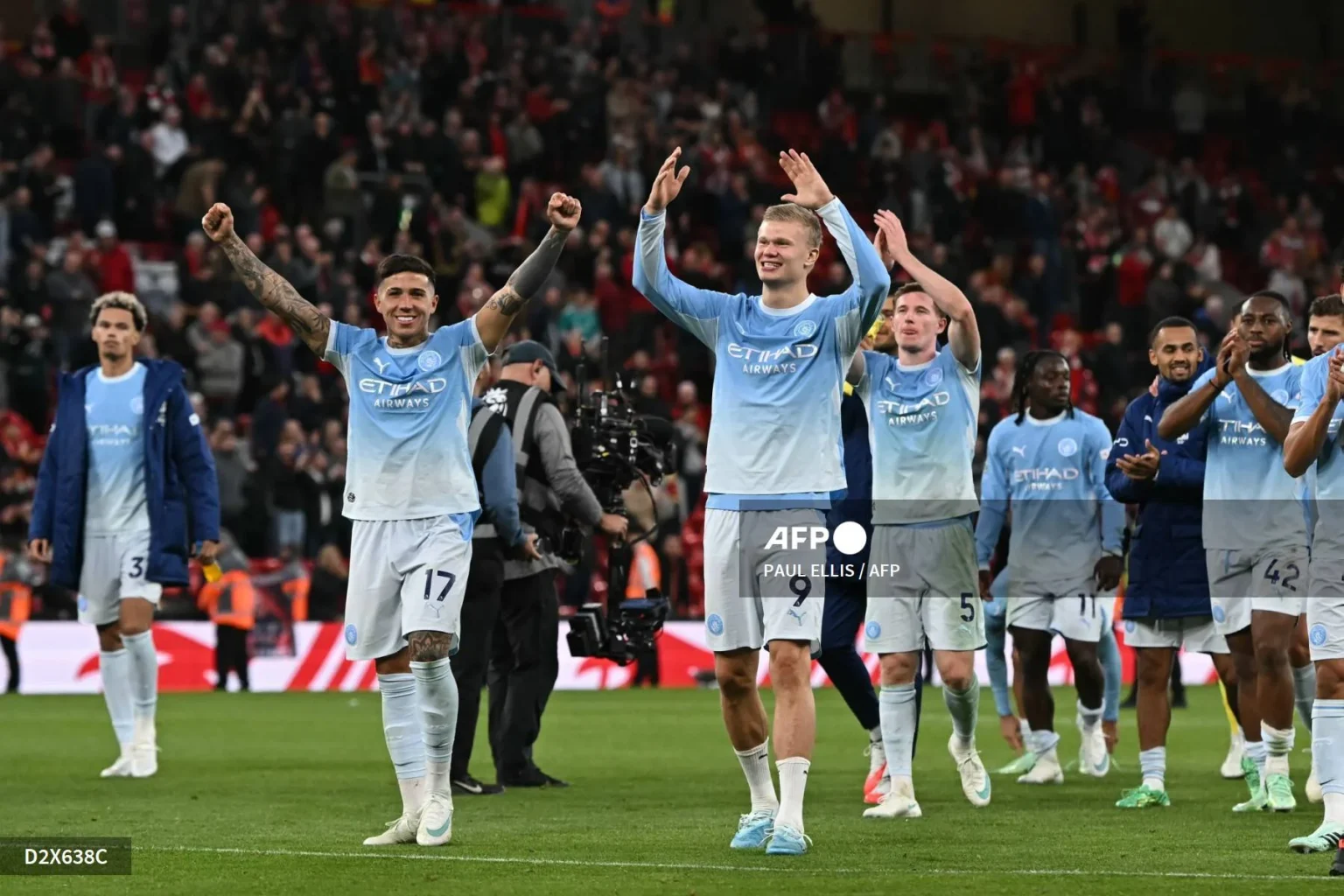
Man City Thrash Liverpool 3-0 Amid Financial Charges, Extend Lead at Top
Erling Haaland, Jeremy Doku and Rayan Cherki score as City beat Liverpool after Ryan Gravenberch’s second-half dismissal.
 Sports
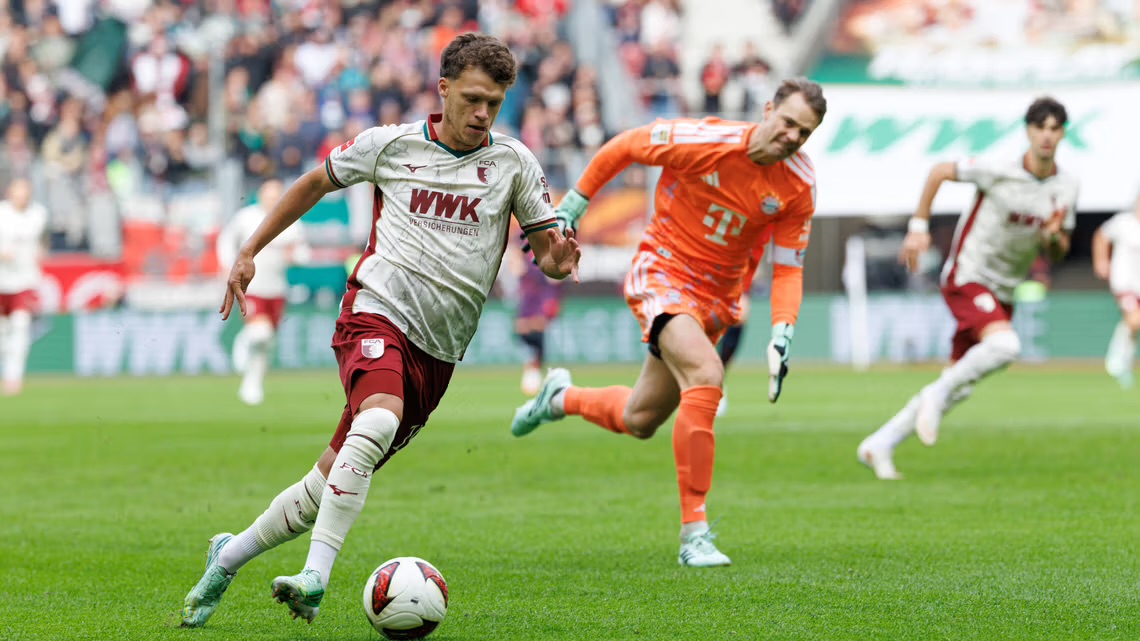
Augsburg Midfielder Scores Fastest Goal in Bundesliga History Against Bayern Munich
Robin Fellhauer scored after just eight seconds to set a Bundesliga record as Augsburg held Bayern Munich to a 2-2 draw.
Comments (0)
Leave a comment
All comments are moderated before publishing. Your email is never published.