
WARDC Partners to Launch Research on Structural Barriers Facing Female Academics
Women’s Advocates Research and Documentation Centre has launched a research initiative with development partners to address barriers facing female academics in Nigerian tertiary institutions. The project focuses on issues like gender discrimination, unequal research funding, harassment, and weak institutional support systems. It aims to generate data-driven reforms to improve gender equity and increase women’s representation in senior academic and leadership roles.
The Women’s Advocates Research and Documentation Centre (WARDC), in collaboration with its development partners, has launched a comprehensive research project aimed at identifying and dismantling systemic barriers that hinder the career progression of female academics in Nigerian tertiary institutions, Punch reports.
The initiative is designed to address deep-rooted challenges, including gender-based discrimination, unequal access to research grants, sexual harassment, and the lack of supportive institutional policies, that disproportionately affect women in academia. By collecting empirical data and firsthand experiences, the project seeks to provide an evidence-based framework to advocate for policy reforms within universities and higher education regulatory bodies.
Speaking at the launch, stakeholders emphasized that the underrepresentation of women in senior academic and administrative roles is not due to a lack of capacity, but rather a reflection of structural inequities.
“This research is a critical step toward creating an equitable academic environment," a representative noted. "We cannot talk about national development when a significant portion of our intellectual community is systematically sidelined. The findings will be used to hold institutions accountable and push for enforceable gender policies.”
The research project will cut across various geopolitical zones to capture a diverse range of institutional experiences. Through this partnership, WARDC aims to foster a more inclusive academic ecosystem that protects female lecturers and researchers, ensures equal growth opportunities, and elevates more women into professorial and leadership positions across Nigeria.
Sponsored

Related stories
 Tech & Education
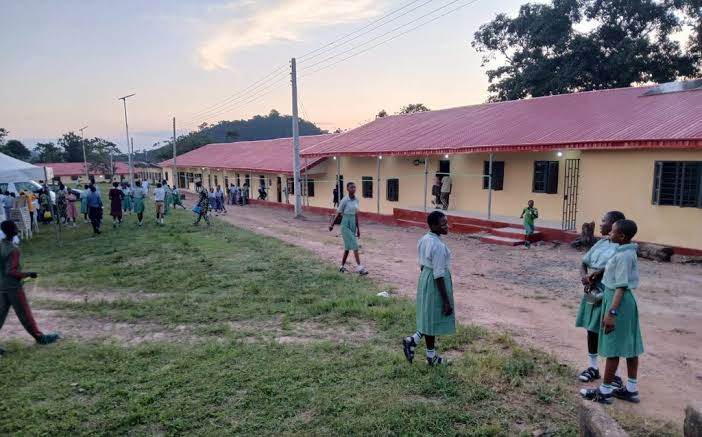
Bamidele Unveils N200m Renovated Science College
Senate Leader Opeyemi Bamidele has commissioned the renovated Government Science College, Iyin-Ekiti, personally funded at over N200 million, donating buses to the school and nearby FUTESI while promising a second phase of upgrades.
 Tech & Education
Abia Students Crowned Global Debate Champions
Students from public schools in Abia State, representing Nigeria, have emerged overall champions at the 2026 International Schools Debate Championship in Doha, Qatar, winning four major trophies and 12 laurels after defeating teams from Jordan, India, Qatar, the Philippines, Kenya and others. The historic victory has been hailed as proof that Governor Alex Otti's education reforms are producing world-class scholars.
 Tech & Education
WAEC Appoints Suleiman Kum as New Head of Nigeria National Office
The West African Examinations Council has appointed 56-year-old Suleiman Danlami Kum as the new Head of the Nigeria National Office, succeeding Dr Amos Josiah Dangut, who has assumed office as the council’s Registrar and Chief Executive Officer. A seasoned test developer, administrator and executive with 28 years of service, Kum is expected to drive technological innovation and examination security across Nigeria’s foremost examinations body.
 Tech & Education
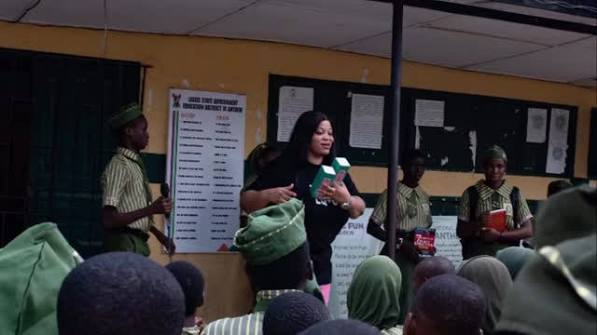
Emmanuel College ’88 Set Renovates Classrooms, Pays Exam Fees
The Progressives of the Unique 1988 Set of Emmanuel College Owerri have unveiled a renovated five-classroom block and paid NECO and WAEC fees for financially disadvantaged students at their alma mater.
Comments (0)
Leave a comment
All comments are moderated before publishing. Your email is never published.