
W’Bank Backs Tariff, Subsidy Reforms In Nigeria’s Power Sector
World Bank backs Nigeria’s electricity tariff and subsidy reforms to restore financial sustainability and improve reliable power access nationwide.
The World Bank has announced support for reforms to Nigeria’s electricity tariff and subsidy frameworks as part of efforts to restore financial sustainability in the power sector.
The commitment is contained in the World Bank Group’s Country Partnership Framework for Nigeria for the 2026–2032 financial period.
The framework supports improved electricity access and reliability through on-grid and off-grid solutions, in line with Nigeria’s Mission 300 Compact targets.
The bank said its intervention would focus on reforms designed to strengthen the financial sustainability of the electricity market. These include changes to tariff and subsidy frameworks, competitive investment planning and stronger sector regulation.
Nigeria continues to face a major electricity access challenge, with more than 86 million people reportedly lacking access to electricity. Frequent power outages have also forced many households and businesses to depend on costly generators, increasing expenses and reducing productivity.
The World Bank said the financial position of Nigeria’s electricity sector remains unsustainable, with tariff shortfalls estimated at $2.45 billion by the end of 2025.
The reforms are expected to attract private investment while improving access and reliability.
The bank also plans to support renewable energy expansion and grid densification to strengthen the power system.
Another area of intervention is the Nigeria Distributed Access through Renewable Energy Scale-up platform, which is expected to mobilise private capital for investments in mini-grids and standalone solar systems.
The development comes as the Federal Government works to address electricity subsidies and improve the sector’s finances. The government has indicated that it intends to phase out electricity subsidies while maintaining that subsidy reform does not automatically mean an immediate increase in tariffs.
The World Bank’s support is expected to complement government efforts to build a sustainable electricity market.
The reforms remain sensitive because tariff and subsidy changes directly affect households, businesses and industry.
Authorities will need to balance cost-reflective pricing with affordability, better service delivery and protection for vulnerable consumers.
The World Bank said its broader objective is to help Nigeria expand reliable electricity access while creating a stronger foundation for private-sector investment and long-term growth in the power sector across the country today.
The initiative is expected to support wider efforts to modernise electricity infrastructure, strengthen regulation and encourage investments capable of expanding power supply.
Sponsored
Related stories
 News
News
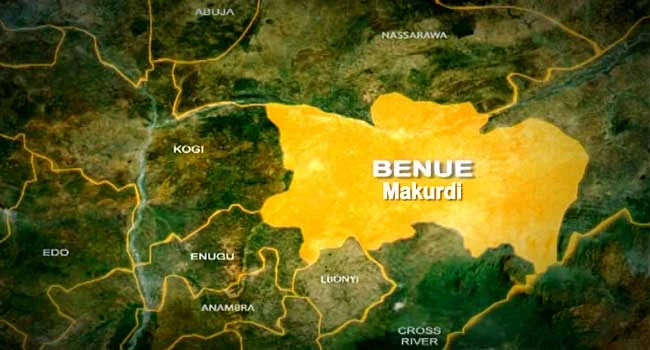
FG Designates Four Benue Hospitals as Snakebite Treatment Centres
The Federal Government approves four hospitals in Benue State as snakebite treatment centres, with plans to supply antivenom and train healthcare workers.
 News
News
‘Atiku’s Life in Danger’ — US Lobby Firm Alleges Assassination Plot
A US-based lobbying firm working for former Vice-President Atiku Abubakar alleges a plot to assassinate him, raising concerns over his safety.
 News
News
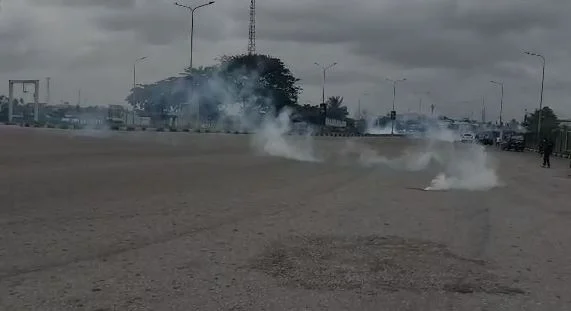
Police Disperse Lekki Tollgate Memorial With Tear Gas
Police fired tear gas to disperse #EndSARS memorial participants at Lekki tollgate, disrupting a wreath-laying ceremony honouring victims of the 2020 protests.
 News
News
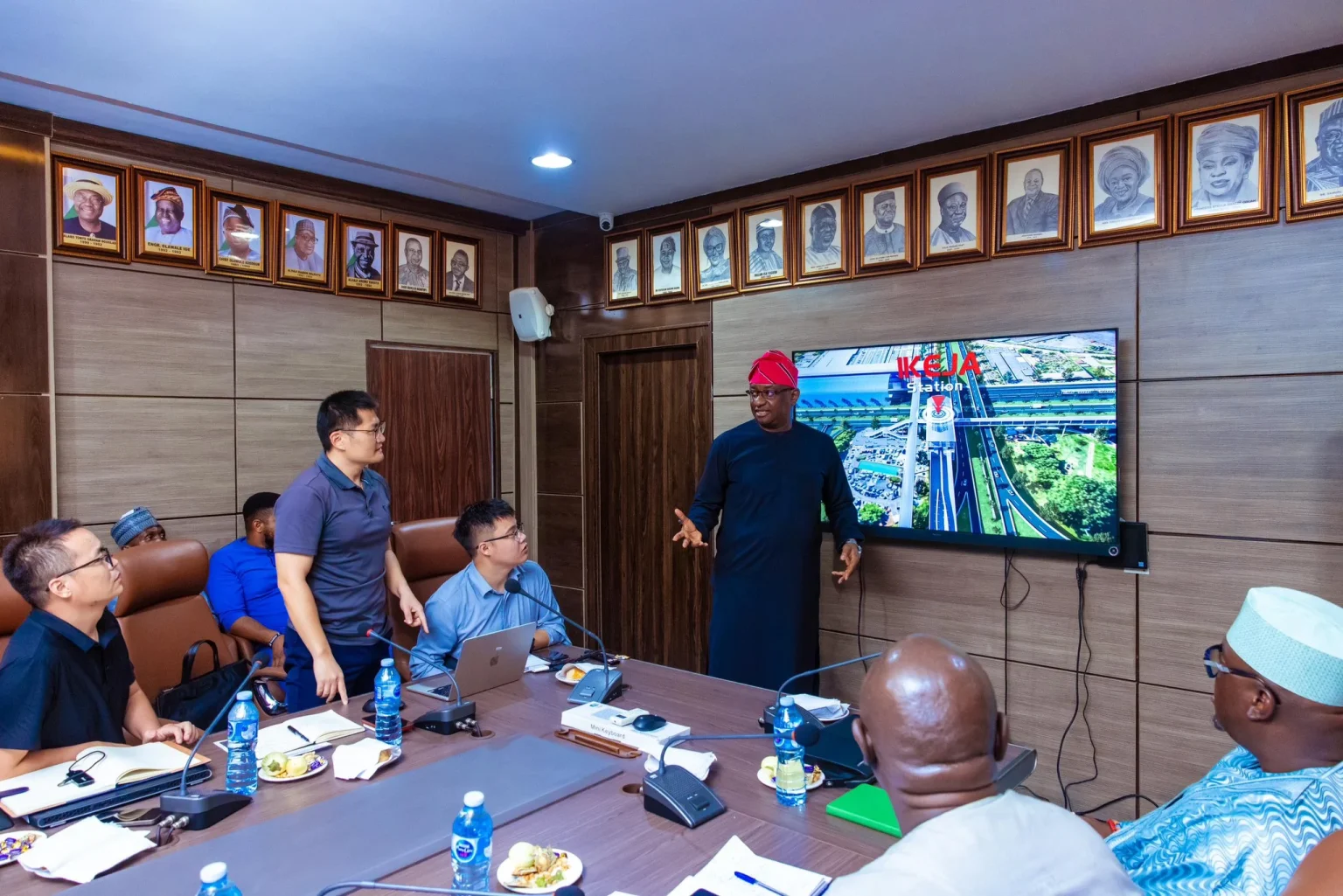
Keyamo Approves Design for Lagos Airport Monorail Project
Minister of Aviation and Aerospace Development, Festus Keyamo, has approved the design for a proposed monorail project linking Ikeja Railway Station to the Murtala Muhammed International Airport (MMIA) in Lagos.
Comments (0)
Leave a comment
All comments are moderated before publishing. Your email is never published.