
2027 Poll: INEC Fears AI-Powered Disinformation
INEC warns AI-driven disinformation threatens 2027 election credibility, urging stronger safeguards against manipulation and misinformation.
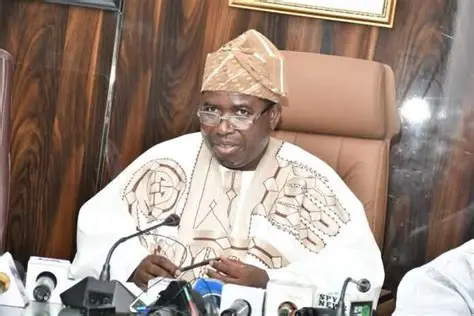
The Independent National Electoral Commission has warned that artificial intelligence-driven disinformation could pose a serious threat to the credibility of Nigeria’s 2027 general elections, urging stronger coordination between electoral technology and communication.
INEC Chairman, Professor Joash Amupitan, raised the concern in Abuja during the 13th Annual International Conference of the Association of Communication Scholars and Professionals of Nigeria.
The conference focused on media, technology and elections in Africa, with discussions centred on the growing impact of digital disruption on electoral communication.
Amupitan, represented by National Commissioner Sani Adam, said the credibility of the electoral process depends not only on the integrity of ballots, accreditation systems and result sheets, but also on whether voters understand and trust the information surrounding elections.
He noted that technologies such as the Bimodal Voter Accreditation System and the INEC Result Viewing Portal were introduced to strengthen transparency. However, he acknowledged that technology can also become a source of public doubt when systems underperform or voters do not understand how they work.
The INEC chairman said the commission was conducting a comprehensive audit of its electoral technology systems ahead of 2027. The exercise includes assessments of system redundancy, penetration testing and disaster recovery arrangements.
The commission is also considering a mock presidential election to test voter accreditation, result transmission and result viewing under conditions similar to election day.
Amupitan expressed particular concern about generative artificial intelligence, which can produce convincing synthetic audio, video and images capable of misleading voters. He said manipulated content had become cheaper to create and increasingly difficult to detect, with fabricated political material already appearing during recent electoral cycles in parts of Africa.
He warned that the threat goes beyond obvious deepfakes. AI-powered algorithmic microtargeting can deliver different, even contradictory, political messages to narrowly defined groups of voters without a shared factual basis.
Such content, he said, could spread to millions of social media users before fact-checkers or electoral authorities have enough time to verify and counter it.
To address the challenge, INEC proposed a five-point strategy involving integration of technology and communication planning, rapid responses to falsehoods, disclosure of vulnerabilities and safeguards, collaboration with media scholars, fact-checkers and technology platforms, and continuous investment in public media literacy.
Sponsored

Related stories
 Politics
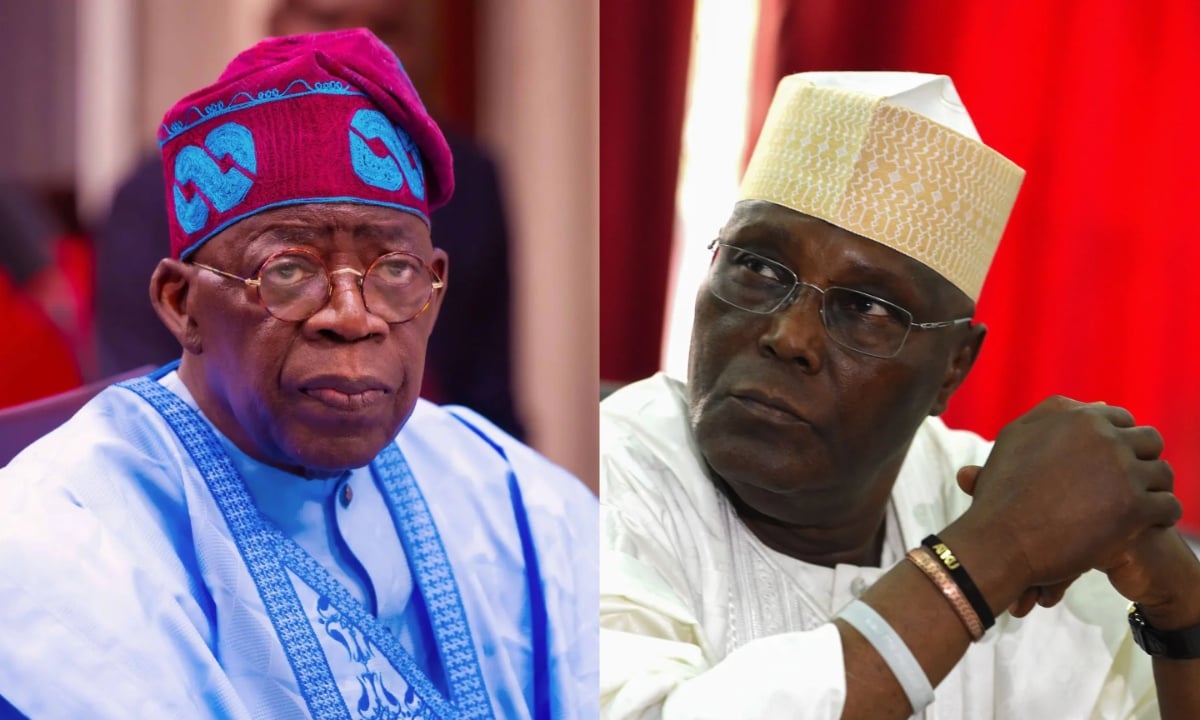
Fuel Discount: Atiku Accuses Tinubu of Turning NNPCL Into Campaign Money Cashier
Atiku has accused Tinubu’s administration of using NNPCL’s petrol discount for political advantage ahead of the 2027 general election.
 Politics
2027: NDC to Inaugurate Presidential Council October 20
The Nigeria Democratic Congress will inaugurate its Presidential Campaign Council on October 20 as it intensifies preparations for the 2027 general elections.
 Politics
2027: Wike Threatens to Block Amaechi’s Campaign in Rivers Over Tinubu Insults
Wike warned Amaechi could face campaign difficulties in Rivers if he continues attacking Tinubu’s supporters.
 Politics
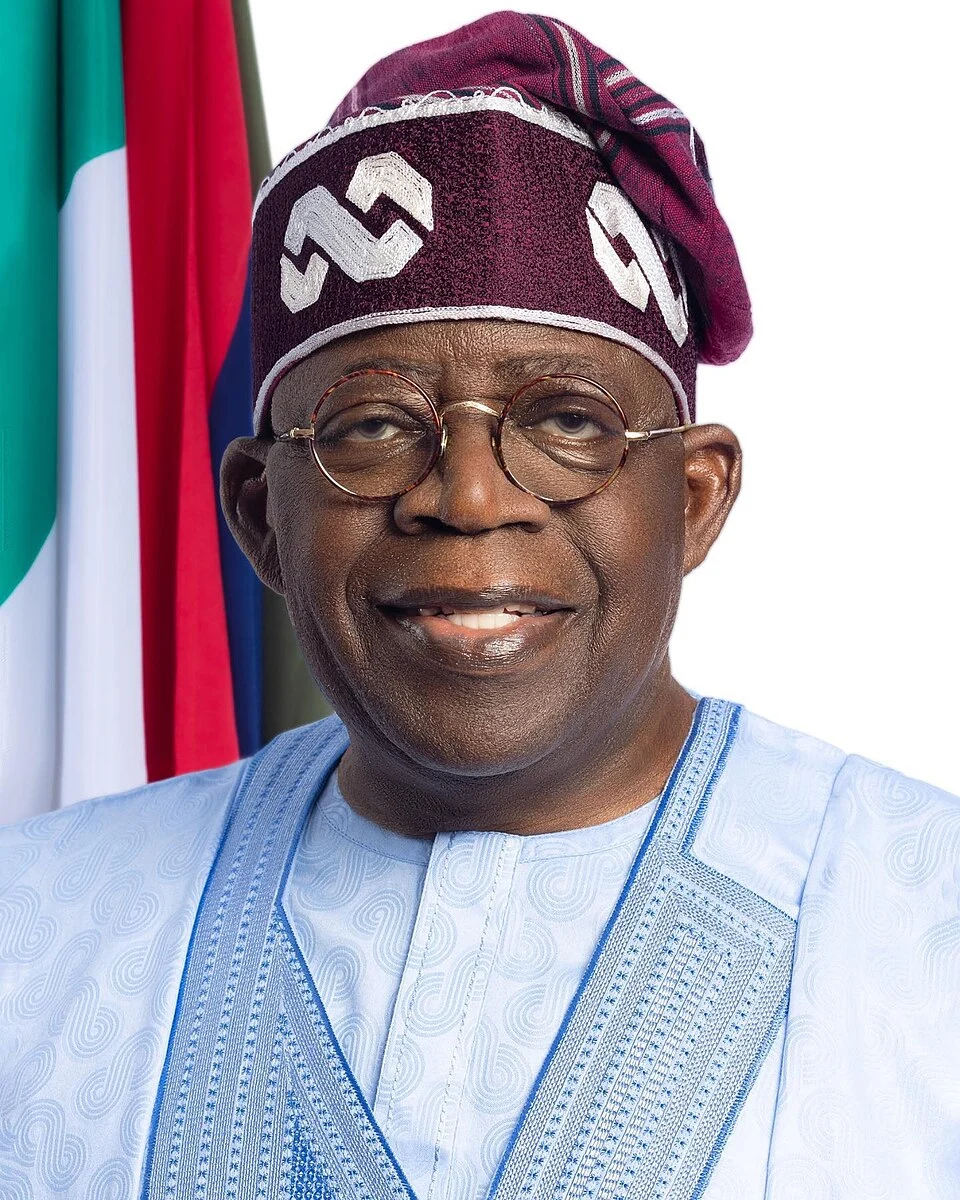
2027: Tinubu Kicks Off Campaign in Kaduna October 24
Yari says Tinubu will officially launch his 2027 re-election campaign in Kaduna on October 24.
Comments (0)
Leave a comment
All comments are moderated before publishing. Your email is never published.