
NGO Trains 60 Women, PWDs in Edo on Sustainable Agriculture, Climate Resilience
In a landmark initiative for inclusive environmental action, the Gbolekero Women Empowerment and Development Organisation (GWEDO) has equipped 60 women and persons with disabilities in Edo State with critical skills in sustainable agriculture and environmental protection. The training, supported by the Global Greengrants Fund, marks a significant step toward ensuring that Nigeria's most marginalized community members are not left behind in the fight against climate change.
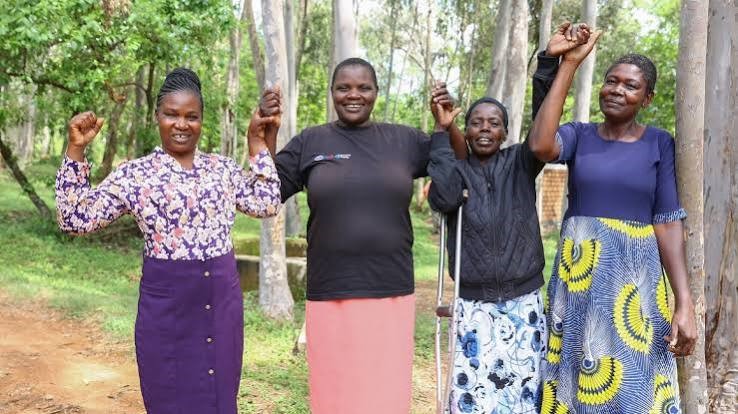
In a powerful demonstration of inclusive community development, the Gbolekero Women Empowerment and Development Organisation (GWEDO), with critical support from the Global Greengrants Fund, has successfully trained 60 women and persons with disabilities (PWDs) in the Gelegele Community of Edo State. The comprehensive capacity-building programme focused on sustainable agriculture and environmental protection, directly addressing the environmental challenges that threaten the livelihoods of some of Nigeria's most vulnerable citizens.
The training, which brought together participants from diverse backgrounds, was meticulously designed to strengthen knowledge of environmentally-friendly farming practices while equipping attendees with practical, hands-on skills to combat the environmental degradation affecting their community. In a region where changing rainfall patterns, flooding, and extreme weather events have become increasingly common, the initiative represents a critical intervention in building community resilience and ensuring that marginalized groups are not left behind in the fight against climate change.
The training programme covered a comprehensive range of topics essential for sustainable community development. Participants received in-depth instruction on understanding sustainable agriculture, the relationship between climate change and farming, the use of organic and bio-fertilizers for environmental protection, and proper waste management on farms. These sessions were carefully structured to provide both theoretical knowledge and practical applications that participants could immediately implement in their daily farming activities.
Speaking during the session on "Understanding Sustainable Agriculture and Bio-Fertilizers for Environmental Protection," GWEDO Executive Director Cynthia Bright encouraged participants to adopt farming practices that protect the soil and environment while simultaneously improving food production and sustainable livelihoods. Bright stressed the importance of organic inputs, bio-fertilizers, and practices such as crop rotation and soil protection in maintaining healthy agricultural ecosystems. She emphasized that sustainable agriculture is not merely an environmental concern but an economic necessity for communities that depend on farming for their survival.
Mrs. Grace Emakpose led the session on "Climate Change, Environmental Protection and Farming," sensitising participants on the effects of climate change on agriculture and community livelihoods. She highlighted the growing challenges of erratic weather patterns, prolonged dry seasons, and unpredictable rainfall that have made farming increasingly difficult for smallholder farmers in the region. Emakpose urged farmers to adopt appropriate adaptation measures to strengthen their resilience against climate shocks, including the use of drought-resistant crop varieties, improved water conservation techniques, and the diversification of income sources to reduce dependence on rain-fed agriculture.
Mrs. Morrison Arriela facilitated the session on "Environmental Protection and Waste Management on Farms," educating participants on the environmental consequences of poor waste disposal and the importance of sustainable farm management practices. Arriela highlighted the dangers of indiscriminate burning of agricultural waste, the improper disposal of chemical containers, and the contamination of water sources through runoff from farms. She provided practical guidance on composting, recycling, and the safe disposal of agricultural waste to protect both human health and the environment.
A major highlight of the training was a participatory group exercise that demonstrated the power of community-led problem-solving. Participants were divided into three groups to identify environmental and agricultural challenges facing their community, propose possible solutions, and develop practical action plans. The solutions identified by the participants were both practical and impactful, including tree planting and protection, avoidance of bush burning, use of organic inputs, crop rotation, soil protection, and proper waste management. These community-driven solutions reflect a deep understanding of local environmental challenges and a commitment to sustainable practices that protect both the land and the livelihoods that depend on it.
The inclusion of persons with disabilities in this training programme represents a significant step toward ensuring that Nigeria's environmental and agricultural policies are truly inclusive. Historically, PWDs have been excluded from mainstream development programmes, often overlooked in policy formulation and implementation. This initiative challenges that narrative by demonstrating that persons with disabilities are not only capable of participating in environmental protection and sustainable agriculture but are essential partners in building resilient communities.
Speaking on the significance of the programme, Bright emphasized that empowering communities with knowledge and practical tools is essential to achieving sustainable environmental protection and resilient livelihoods. She stressed the importance of ensuring the meaningful participation of women and persons with disabilities in environmental initiatives and community decision-making, challenging the notion that environmental protection should be left to government and organizations alone. Bright called on other organizations and government agencies to follow this example and prioritize inclusive approaches in their development programmes.
"At GWEDO, we encourage participants to implement the action plans developed during the training and explore opportunities for follow-up support and further practical capacity building," Bright stated. "For us, the programme is an important step towards strengthening community-led environmental protection, sustainable agriculture and inclusive community development in Gelegele." She expressed the organization's appreciation to the Global Greengrants Fund for supporting the initiative, describing the training as an important step toward strengthening community-led environmental protection and sustainable agricultural practices in the region.
This initiative is part of a growing movement across Nigeria to ensure that persons with disabilities are not excluded from environmental and climate action. Recent years have seen numerous organizations working to integrate PWDs into Nigeria's green economy and climate agenda. From training programmes in solar energy installation to climate change mitigation workshops, the push for inclusive environmental action is gaining momentum across the country. However, advocates note that much more work remains to be done to ensure that persons with disabilities are not only included but are actively leading environmental initiatives in their communities.
The training in Gelegele Community stands as a powerful example of what can be achieved when communities are empowered with knowledge, practical skills, and the support needed to protect their environment and build sustainable livelihoods. As climate change continues to pose existential threats to communities across Nigeria, initiatives like this one offer a blueprint for inclusive, community-led environmental action that leaves no one behind. The success of this programme demonstrates that when women and persons with disabilities are given the tools and opportunities to participate fully in environmental protection and sustainable agriculture, they become powerful agents of change in their communities.
Sponsored
Related stories
 Youth Empowerment
1,000 Tech Scholars to Benefit From Ekeh Foundation, NCS Partnership
The Leo Stan Ekeh Foundation has signed a Memorandum of Understanding with the Nigeria Computer Society to provide mentorship, technical training, and practical industry experience to 1,000 beneficiaries of its technology scholarship programme. The initiative will select students from all 36 states and the FCT, covering their education from first year through graduation while pairing each scholar with a dedicated industry mentor.
 Youth Empowerment
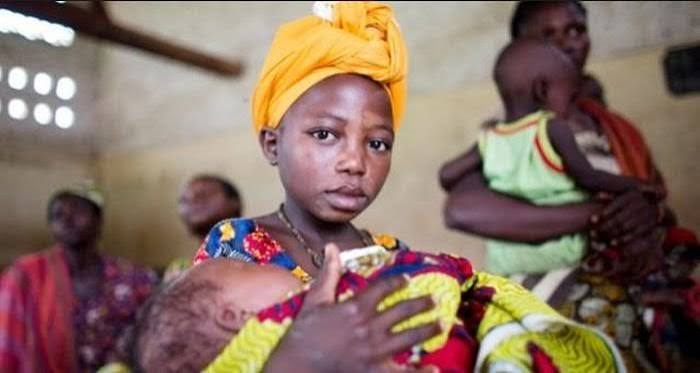
Ibadan NGO Empowers 100 Girls, Urges Oyo to Fight Child Marriage
The Oluwakemi Olusola Girl Child Foundation, with two partner foundations, gave 100 girls in an underserved Ibadan community medical checks, school bags, food, hygiene kits and counselling, while calling on the Oyo government to intensify its fight against child marriage.
 Youth Empowerment
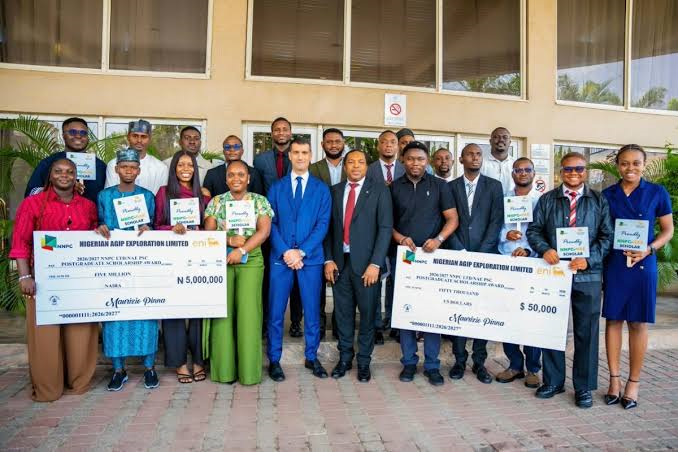
NNPC, Eni Award Postgraduate Scholarships to 30 Nigerian Graduates
The NNPC/Eni Joint Venture has awarded postgraduate scholarships to 30 Nigerian graduates for the 2026/2027 academic session, selecting the beneficiaries from over 3,000 applicants. Ten scholars will study at top universities abroad, including Imperial College London and the University of Aberdeen, while the remaining 20 will pursue degrees in Nigerian institutions across engineering, geosciences, renewable energy, and energy transition disciplines.
 Youth Empowerment
100,000 Pupils Get N20,000 Each Under N2bn Fund
First Lady Oluremi Tinubu has launched a N2 billion Learners Retention Support Programme that will provide N20,000 each to 100,000 pupils in its first phase, alongside the distribution of two million packs of sanitary towels and back-to-school materials to girls in public basic schools across Nigeria. The initiative, flagged off to mark the 2026 International Day of the Girl Child, is designed to remove the financial and hygiene barriers that force thousands of Nigerian girls out of the classroo
Comments (0)
Leave a comment
All comments are moderated before publishing. Your email is never published.