
Tinubu’s UNGA Absence Raises Questions Over Diplomatic Visibility
President Bola Tinubu’s third consecutive absence from UNGA has renewed debate over Nigeria’s diplomatic visibility and the reported $9m foreign lobbying arrangement.
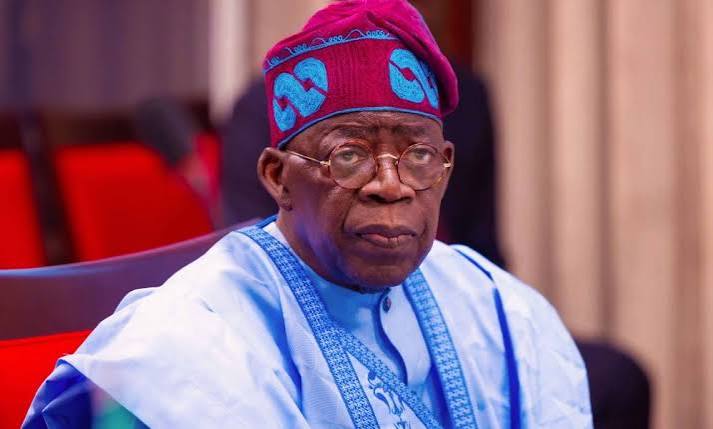
President Bola Tinubu’s absence from the 81st United Nations General Assembly has renewed debate over Nigeria’s diplomatic visibility, following reports that the country engaged a United States lobbying firm under an arrangement potentially worth $9 million.
Tinubu has not attended the UN General Assembly since 2023, with Vice President Kashim Shettima representing him at the 79th and 80th sessions in 2024 and 2025 and again leading Nigeria’s delegation at the ongoing 81st session.
The Federal Government has maintained that there is no diplomatic vacuum, saying Shettima has the President’s full mandate to represent Nigeria and participate in high-level meetings and bilateral engagements.
The Nigerian Mission to the UN has also said the country would retain its designated position at the Assembly, while Shettima is expected to deliver Nigeria’s national statement.
However, the repeated presidential absence has prompted questions from political figures and some stakeholders about whether Nigeria could be losing opportunities for direct presidential diplomacy at one of the largest gatherings of world leaders.
The debate has also focused on a reported contract between Kaduna-based Aster Legal and Washington-based DCI Group. Documents filed under the United States Foreign Agents Registration Act show an initial six-month retainer of $4.5 million, with a renewal potentially taking the total value to $9 million.
The stated purpose of the engagement included communicating Nigeria’s position on the protection of Christian communities and maintaining United States support for countering jihadist groups and other destabilising elements in West Africa.
The lobbying contract was not linked to UNGA attendance, and there is no evidence that it was entered into because of the President’s absence from the Assembly.
Some experts have nevertheless questioned the rationale for spending millions of dollars on foreign advocacy while Nigeria maintains a foreign affairs ministry, diplomatic missions and career diplomats.
The Guardian reported that stakeholders are seeking greater transparency over the scope, beneficiaries and measurable outcomes of the lobbying arrangement, including whether it has generated tangible security, economic or diplomatic benefits for Nigeria.
The Federal Government has continued to defend its approach, while the wider debate centres on whether Nigeria’s current model of international engagement is producing measurable results in investment, security cooperation, development financing and diplomatic influence.
Sponsored

Related stories
 News
News
Police Secure Conviction of 19 for Terrorism, Others in Kebbi
Kebbi Police say 19 people were convicted for terrorism, illegal firearms possession and vandalism after 17 months of investigation.
 News
News
Lagos to Demolish GNI Building 10 Months After Fire
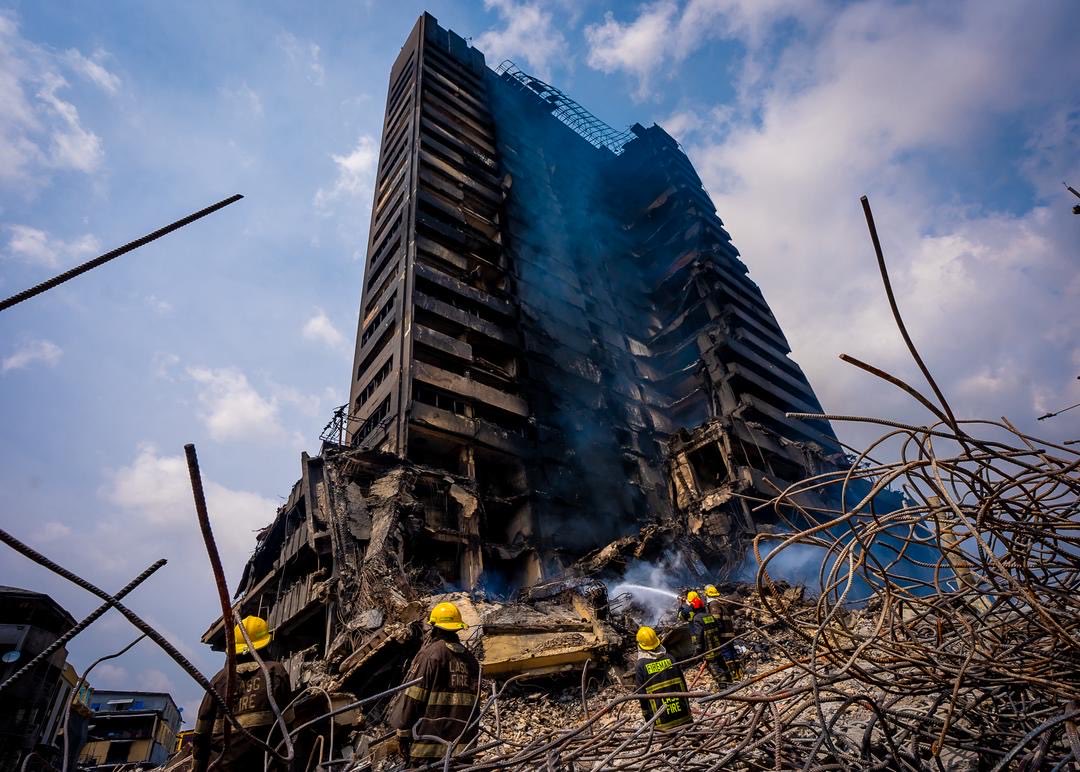
Lagos began controlled demolition of the fire-ravaged GNI building after structural checks found the 25-storey structure unsafe.
 News
News
Air Peace Cries Out as Fraudster Impersonates Staff to Dupe Passengers
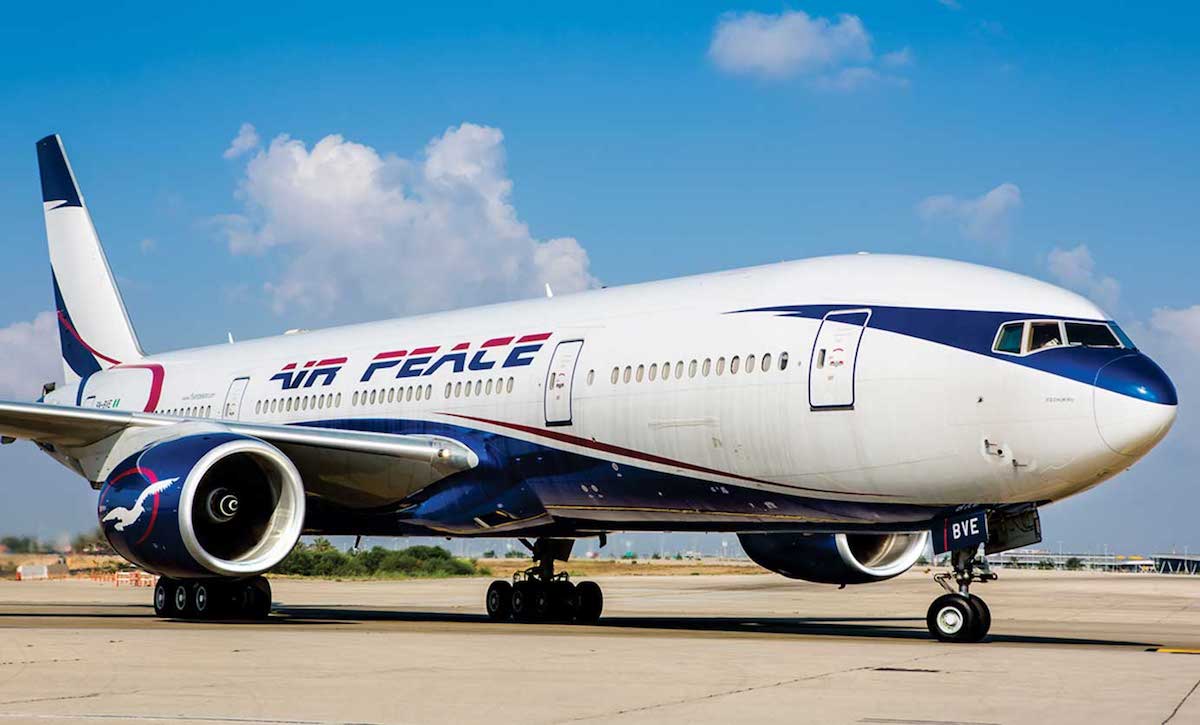
Air Peace Cries Out as Fraudster Impersonates Staff to Dupe Passengers
 News
News
Dangote to Prioritise Investors with N50,000 or Below in Refinery IPO
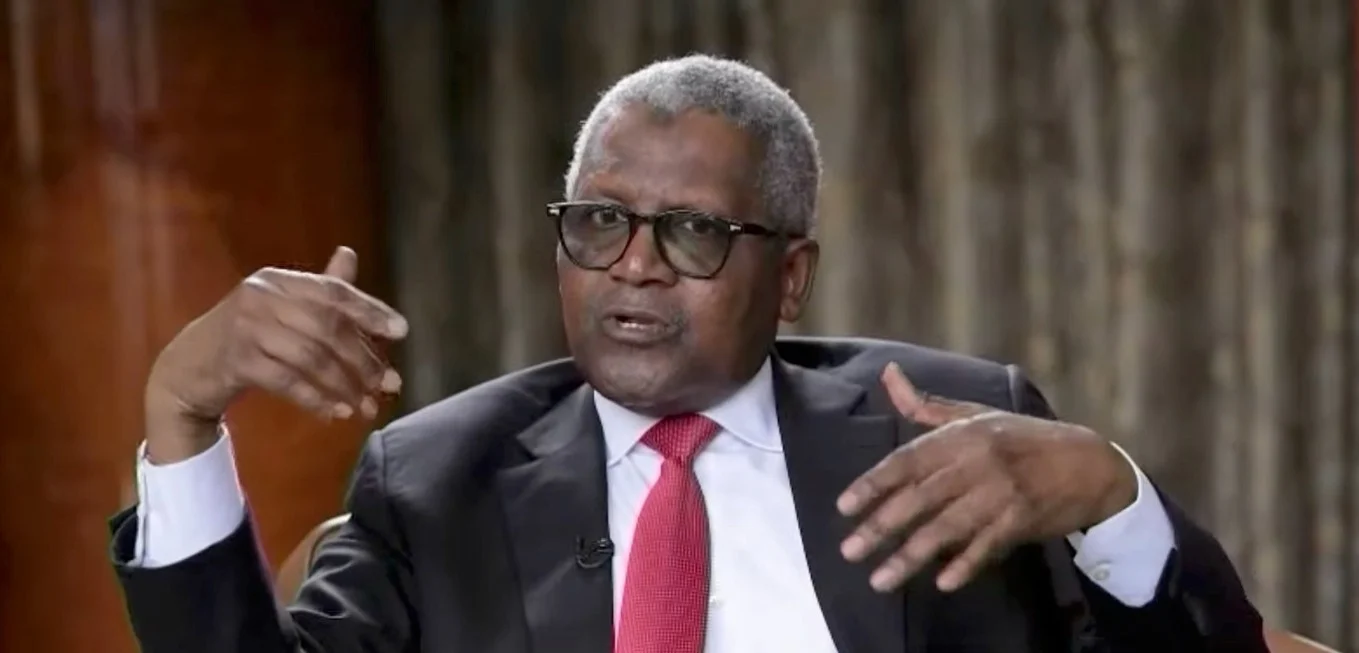
Aliko Dangote says small investors subscribing with ₦50,000 or less will receive priority as the refinery seeks wider public ownership.
Comments (0)
Leave a comment
All comments are moderated before publishing. Your email is never published.