
IMF Warns Nigeria Against Restoring Petrol Subsidy, Recommends Targeted Relief
IMF officials urge Nigeria to support vulnerable households through targeted assistance rather than restore costly blanket petrol subsidies.
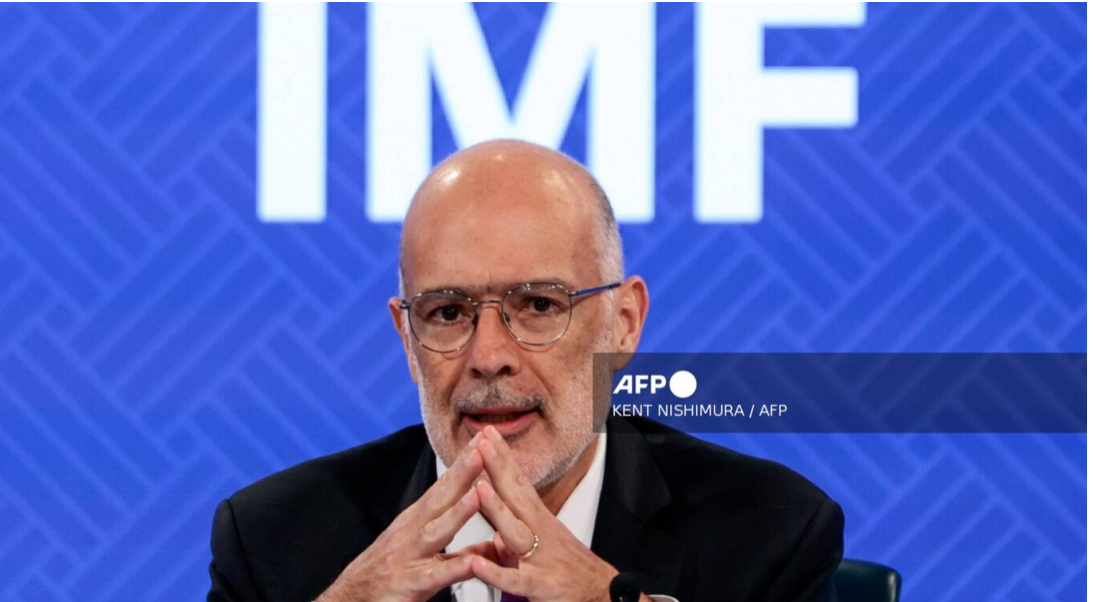
The International Monetary Fund (IMF) has advised the Federal Government against restoring a blanket petrol subsidy, recommending targeted assistance to protect vulnerable Nigerians from rising fuel and transportation costs.
Rodrigo Valdés, director of the IMF’s Fiscal Affairs Department, gave the advice on Wednesday during a press briefing on the fund’s Fiscal Monitor at the 2026 annual meetings of the IMF and World Bank in Bangkok, Thailand.
Valdés was responding to concerns that higher energy prices could increase transport fares, worsen inflation and deepen poverty in Nigeria, amid renewed calls for the government to reconsider petrol subsidy removal ahead of the 2027 elections.
He said blanket fuel subsidies were expensive, placed additional pressure on public finances and often benefited higher-income consumers disproportionately because they generally consumed more fuel.
Valdés argued that governments should focus on protecting people affected by rising prices rather than keeping fuel prices artificially low for all consumers.
“Protecting people is not the same as protecting the price of fuels,” he said.
He added that measures preventing energy prices from adjusting fully to supply shocks had cost countries between one and 1.5 per cent of gross domestic product in 2026, further highlighting the fiscal implications of broad-based subsidies.
Davide Furceri, a division chief in the IMF’s Fiscal Affairs Department, recommended redirecting resources towards interventions that directly benefit vulnerable groups.
He suggested subsidising public transport fares to ease the burden on commuters, alongside school feeding programmes, geographically targeted assistance and support for vulnerable farmers.
Furceri acknowledged that some countries lacked reliable household databases and digital payment systems needed to identify beneficiaries and distribute support efficiently. He said governments could use alternative approaches while building stronger systems for targeted assistance.
The IMF recommended that such interventions should be temporary, limited and focused on people most in need.
The advice comes as Nigeria faces renewed pressure over petrol affordability. The Federal Government recently announced a 30-day petrol discount at Nigerian National Petroleum Company Limited retail outlets, with priority for public transport operators.
Finance Minister Taiwo Oyedele said the initiative would involve NNPC Retail foregoing its retail profit margin to sell petrol at cost, describing it as temporary relief rather than a return to the former subsidy system.
The government has also proposed negotiating a ceiling of ₦1,350 per litre for petrol’s ex-gantry or landing cost, subject to monthly reviews.
The IMF’s position underscores the challenge facing policymakers: easing the impact of higher energy costs on households while limiting pressure on public finances. Its recommendations favour targeted social protection over a general subsidy that reduces fuel prices for all consumers.
Sponsored

Related stories
 News
News
UBEC Targets 29 Million Children in $552m World Bank Education Programme
HOPE-EDU targets 29 million children, 500,000 teachers, 65,000 public schools and 10,000 non-formal learning centres nationwide.
 News
News
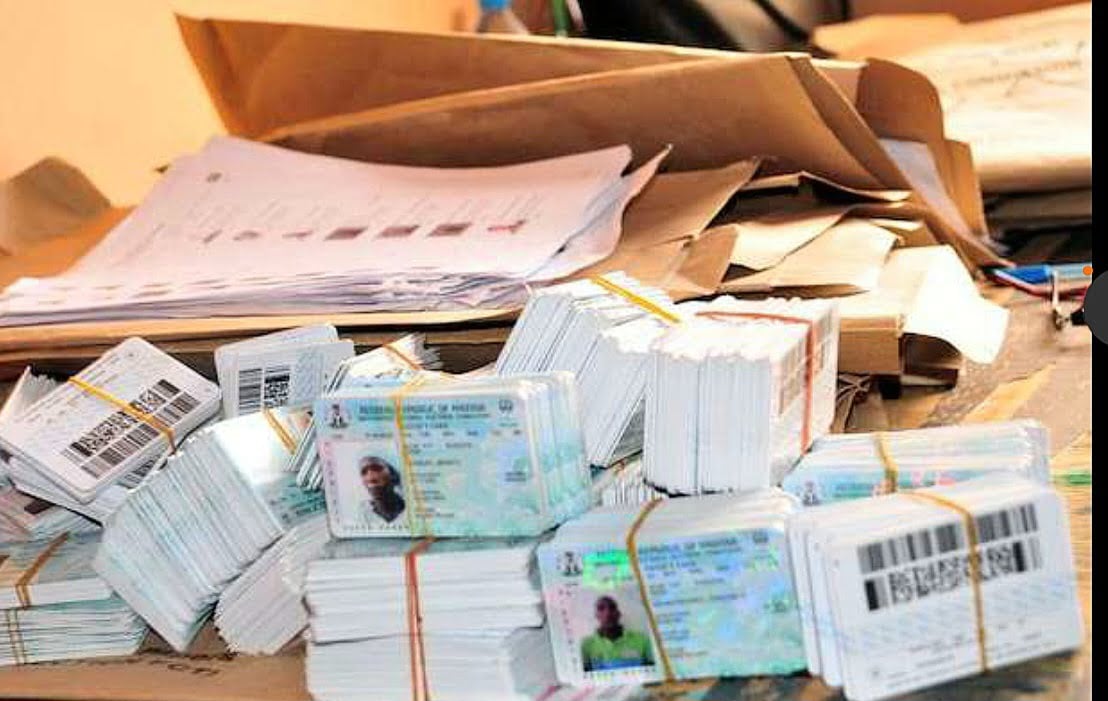
KACRAN Urges INEC to Extend PVC Collection by One Week, Says Millions Unaware
KACRAN urges INEC to extend voter card collection, warning that inadequate public awareness could prevent eligible Nigerians from participating.
 News
News
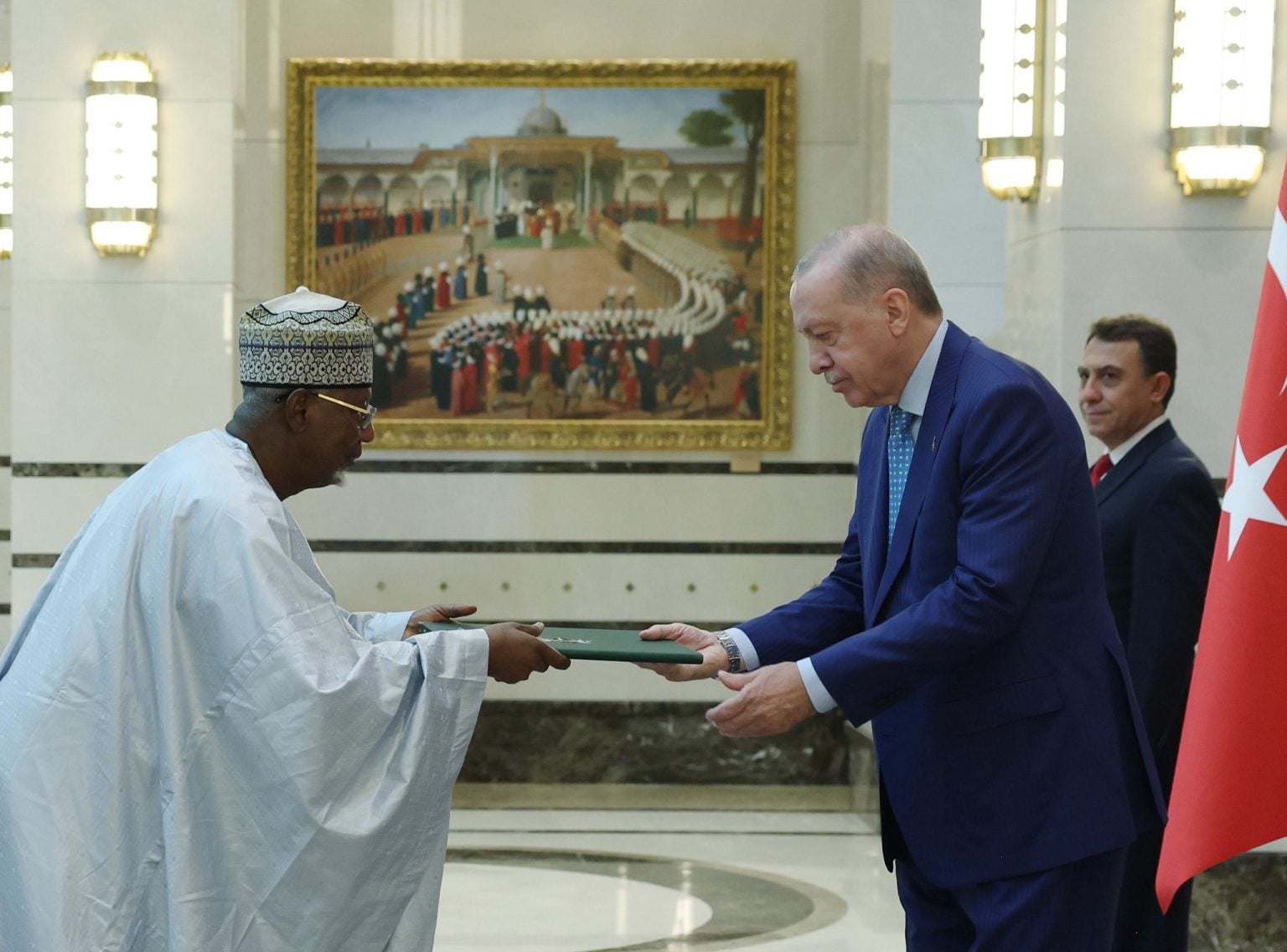
Nigeria’s Ambassador to Türkiye Presents Credentials to President Erdoğan
Nigeria’s ambassador Saidu Dakingari begins his diplomatic mission after presenting credentials to Erdoğan in Ankara.
 News
News
Epidemic Fears Mount as Bodies of NAF Crash Victims Remain Unrecovered
Ondo government orders river fumigation as residents report foul odour and fear possible contamination following the fatal aircraft crash.
Comments (0)
Leave a comment
All comments are moderated before publishing. Your email is never published.