
SERAP Gives Akpabio, Abbas Seven Days to Probe Alleged ₦63bn Constituency Funds Diversion
Socio-Economic Rights and Accountability Project (SERAP) has issued a seven-day ultimatum to the Senate President, Godswill Akpabio, and the Speaker of the House of Representatives, Tajudeen Abbas, to investigate the alleged diversion of ₦63 billion meant for constituency projects across the country.
Socio-Economic Rights and Accountability Project (SERAP) has called on the Senate President, Godswill Akpabio, and the Speaker of the House of Representatives, Tajudeen Abbas, to urgently investigate the alleged diversion of ₦63 billion meant for constituency projects by some members of the National Assembly.
The civil society organisation gave the two presiding officers of the National Assembly a seven-day ultimatum to act on the allegations, warning that it would explore all legal options to compel action if the leadership of the parliament fails to address the matter within the stipulated period.
In a statement, SERAP urged the Senate President and the Speaker to investigate the allegations of corruption and mismanagement involving constituency projects funded by public resources, stressing that the matter required urgent attention to safeguard public confidence in the National Assembly.
The organisation said the allegations, if proven, represent a serious breach of public trust and a violation of constitutional and legal obligations that require lawmakers to be accountable for the use of public funds entrusted to them.
SERAP noted that constituency projects, which are designed to bring developmental benefits directly to constituents at the grassroots level, have been a frequent subject of controversy over the years, with widespread allegations of inflated contracts, abandoned projects, and outright diversion of funds.
The group cited various reports, including those from anti-corruption agencies and government bodies, which have raised concerns about the management of constituency project funds and the failure of many of the projects to deliver tangible benefits to communities they were meant to serve.
SERAP argued that the alleged diversion of ₦63 billion meant for constituency projects is part of a broader pattern of accountability failures within the country's public financial management system, which requires urgent and decisive action to address.
The organisation called on the Senate President and the Speaker to refer the allegations to the relevant standing committees of the National Assembly for thorough investigation, and to ensure that any lawmaker found culpable is sanctioned in line with the laws and the chambers' rules.
It also urged the two presiding officers to forward the allegations to the Economic and Financial Crimes Commission (EFCC), the Independent Corrupt Practices and Other Related Offences Commission (ICPC), and other relevant anti-corruption agencies for further action.
SERAP further called on the leadership of the National Assembly to commit to publishing the outcomes of any investigations conducted into the allegations, including details of the lawmakers involved, the projects affected, and the actions taken to address the issues raised.
The organisation stressed that transparency, accountability, and public disclosure of investigation outcomes are essential to restoring public confidence in the National Assembly and demonstrating the parliament's commitment to addressing corruption within its ranks.
SERAP also called for systemic reforms in the management of constituency projects, including the introduction of stronger oversight mechanisms, public participation in project planning and monitoring, and clearer accountability frameworks for lawmakers handling constituency project funds.
The group reiterated its commitment to defending the rights of Nigerians, holding public officials accountable, and using legal and advocacy tools to promote transparency and good governance in the country.
It warned that failure by the National Assembly leadership to act within the seven-day ultimatum would compel the organisation to consider legal action, including approaching the courts to seek orders compelling the leadership of the parliament to act on the allegations.
The development comes amid renewed public scrutiny of constituency projects, which have continued to be a source of controversy over the years, with various reports highlighting the gap between the funds allocated to such projects and the visible impact on the ground.
The Federal Government, through various administrations, has implemented constituency projects as part of efforts to deepen democratic governance, bring development closer to the grassroots, and ensure that lawmakers play active roles in shaping development priorities in their respective constituencies.
However, concerns have continued to persist over the implementation, monitoring, and accountability mechanisms surrounding these projects, with stakeholders calling for reforms to address the recurring challenges.
SERAP, which has been at the forefront of anti-corruption advocacy in the country, has previously taken several public officials and institutions to court over allegations of corruption, mismanagement, and human rights violations.
The organisation has, over the years, secured several legal victories that have helped to shape the country's accountability framework and promote transparency in the management of public resources.
The latest call on the Senate President and the Speaker is consistent with SERAP's pattern of advocacy, which often combines public statements, legal action, and engagement with international stakeholders to push for accountability in the country's governance system.
Stakeholders across the country have continued to call for stronger institutional oversight of the National Assembly, the executive arm of government, and other public institutions, to ensure that public funds are utilised efficiently, transparently, and in line with the laws and best practices.
The development is expected to attract significant public attention in the coming days, with the response of the National Assembly leadership likely to set the tone for further engagements between civil society, the public, and the country's lawmakers.
The leadership of the Senate and the House of Representatives is yet to issue an official response to the SERAP ultimatum, though observers expect statements from both chambers in the coming days as they consider the implications of the allegations and the organisation's demands.
The growing involvement of civil society organisations such as SERAP in pushing for accountability has continued to play a significant role in shaping public discourse on governance, anti-corruption, and the management of public resources in the country.
Related stories
 News
News
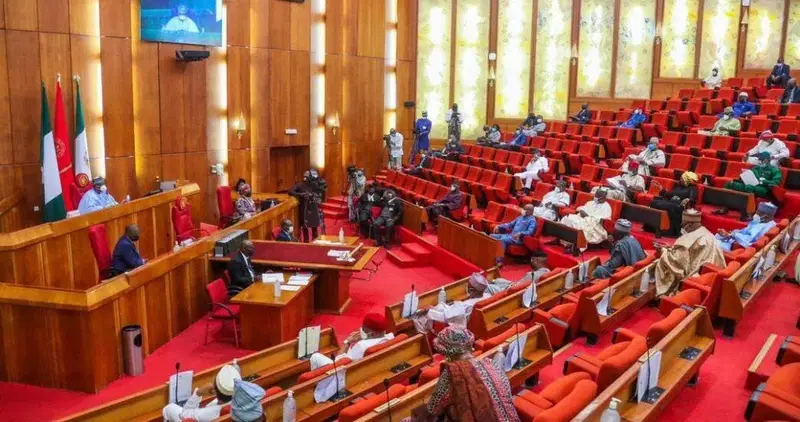
Pharmacists Ask Senate to Stop NHFRA Bill, Warn of Fresh Health Crisis
Community pharmacists have urged the Senate to halt the proposed NHFRA Bill, warning it duplicates existing laws, threatens health sector stability, and could spark fresh professional conflicts nationwide.
 News
News
DSS Raids Taraba Warehouse, Recovers Donated Relief Materials, Arrests Four
DSS operatives raided a warehouse in Taraba, recovered donated relief materials worth millions, and arrested four suspects as investigations continue into the alleged diversion of humanitarian supplies.
 News
News
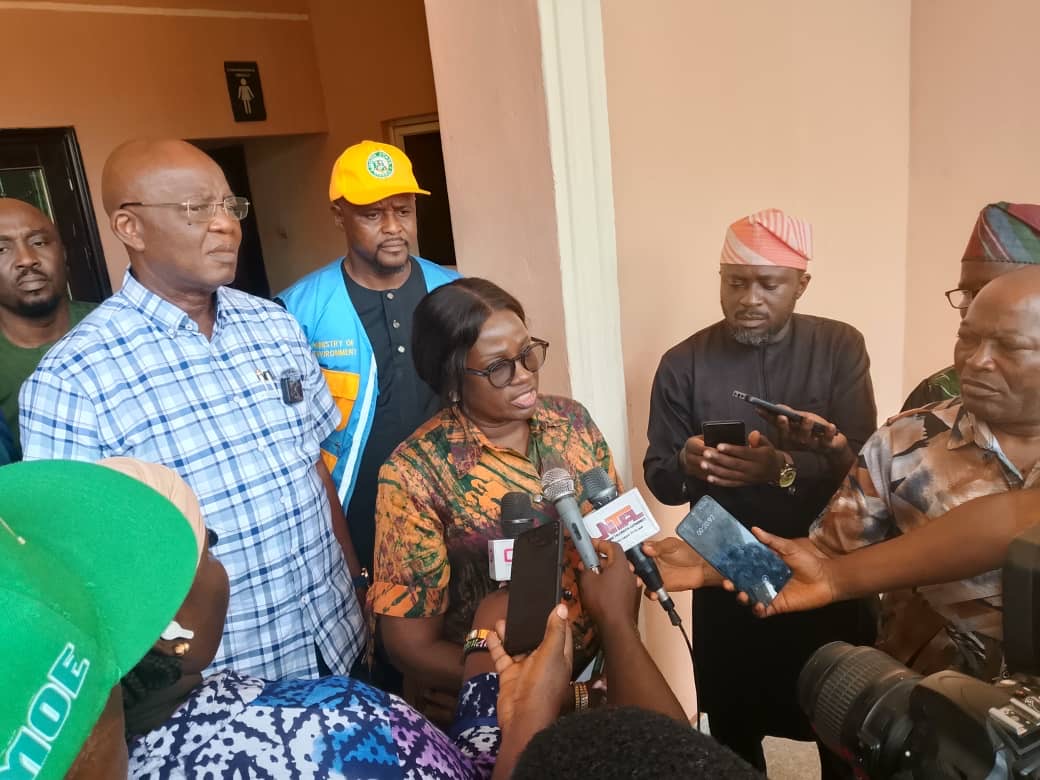
Ijebu-Ode Gas Emission Linked to Underground Geological Fractures, Not Myth — Ogun Govt
Ogun Government says repeated gas emissions in Ijebu-Ode are caused by underground geological fractures, not myths, as investigations continue to determine the gas source and protect affected communities.
 News
News
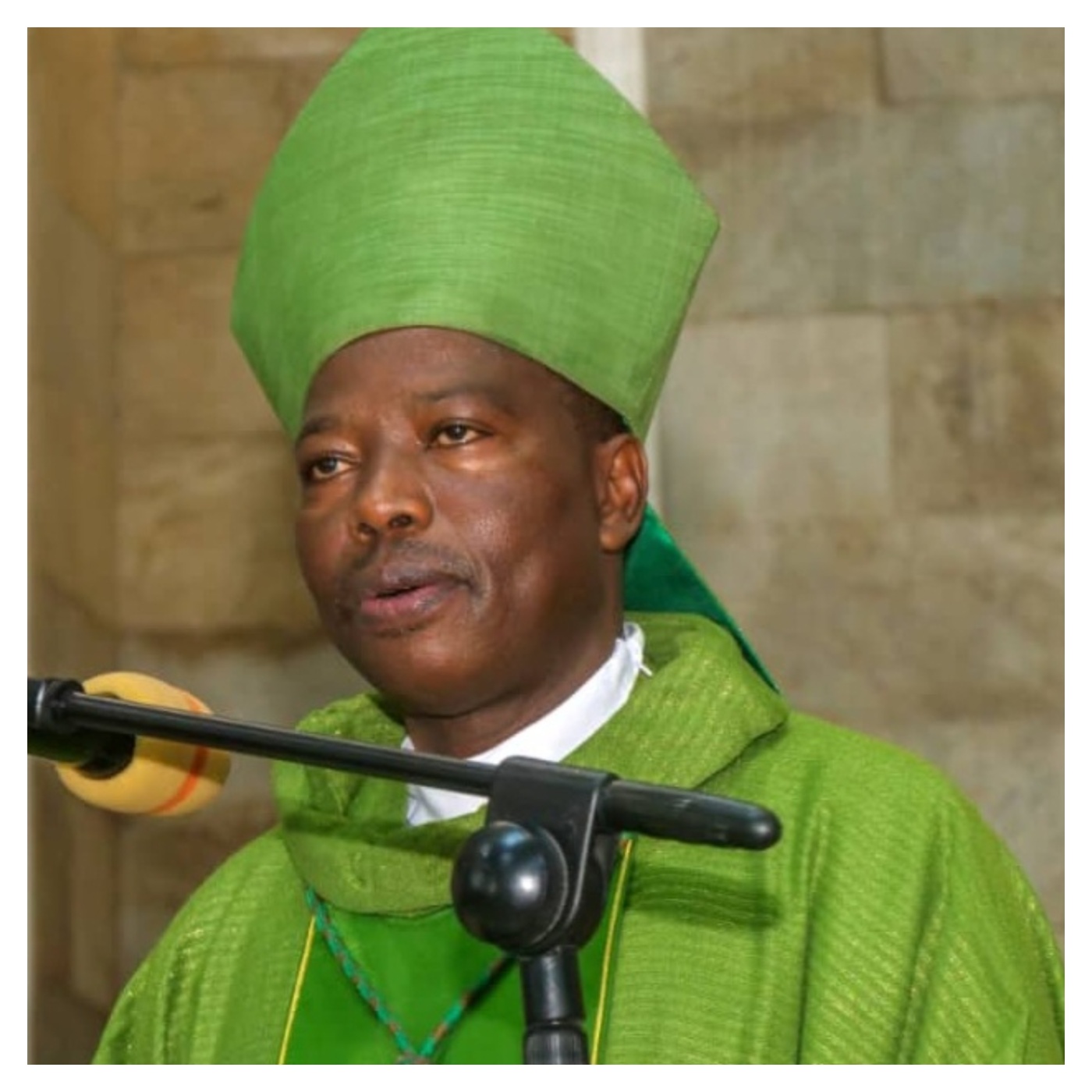
FG Not Doing Enough on Insecurity — Catholic Bishop Mamza
Catholic Bishop Stephen Dami Mamza says the Federal Government has failed to demonstrate enough political will to tackle insecurity, urging decisive action, improved intelligence, and better welfare for security personnel.
Comments (0)
Leave a comment
All comments are moderated before publishing. Your email is never published.