
N100,000 minimum wage too low, workers deserve N1m — NLC
The NLC says a proposed N100,000 minimum wage is inadequate, arguing that worsening inflation, rising living costs and declining purchasing power justify a monthly wage of N1 million.
The Nigeria Labour Congress (NLC) has described the proposed N100,000 national minimum wage being considered by state governors as insufficient, insisting that Nigerian workers deserve as much as N1 million monthly to cope with prevailing economic realities.
The spokesperson for the NLC, Benson Upah, stated this in an interview on Sunday while reacting to comments by the Chairman of the Nigeria Governors’ Forum and Governor of Kwara State, AbdulRahman AbdulRazaq, who revealed that governors were considering a new minimum wage of N100,000.
AbdulRazaq, in a Facebook post on Saturday, said the proposal was being considered in response to rising inflation, increasing living costs and the growing financial burden on workers across the country.
According to him, state governments were already engaging the Federal Government and organised labour to develop a wage structure that balances workers’ welfare with fiscal sustainability.
Reacting to the proposal, Upah acknowledged the governors’ willingness to review workers’ salaries but argued that the suggested figure falls far below what is needed under current economic conditions.
“We consider it thoughtful of the Kwara State governor to propose this, but certainly, N100,000 falls far below the realistic figure,” he said.
The labour leader attributed the demand for a higher wage to the continued depreciation of the naira, rising inflation, increases in electricity tariffs, higher fuel prices and the declining purchasing power of Nigerian workers.
He further noted that the impact of recent tax measures and the overall cost of living crisis have made a substantial wage increase necessary.
“Given the realities around the exchange rate, inflation, raised tariffs, the surge in the pump price of petrol and associated costs, the decline in the purchasing power of the average worker, and the effects of the new tax regime on our cost of living, the realistic figure would be N1 million,” Upah stated.
He also argued that improved government revenues and increased allocations from the Federation Account Allocation Committee (FAAC) should enable governments to better compensate workers.
The debate over workers’ wages has intensified amid economic challenges following the removal of fuel subsidies and the floating of the naira. Labour unions maintain that the current N70,000 minimum wage approved in 2024 has been significantly eroded by inflation and rising living costs.
Sponsored

Related stories
 News
News
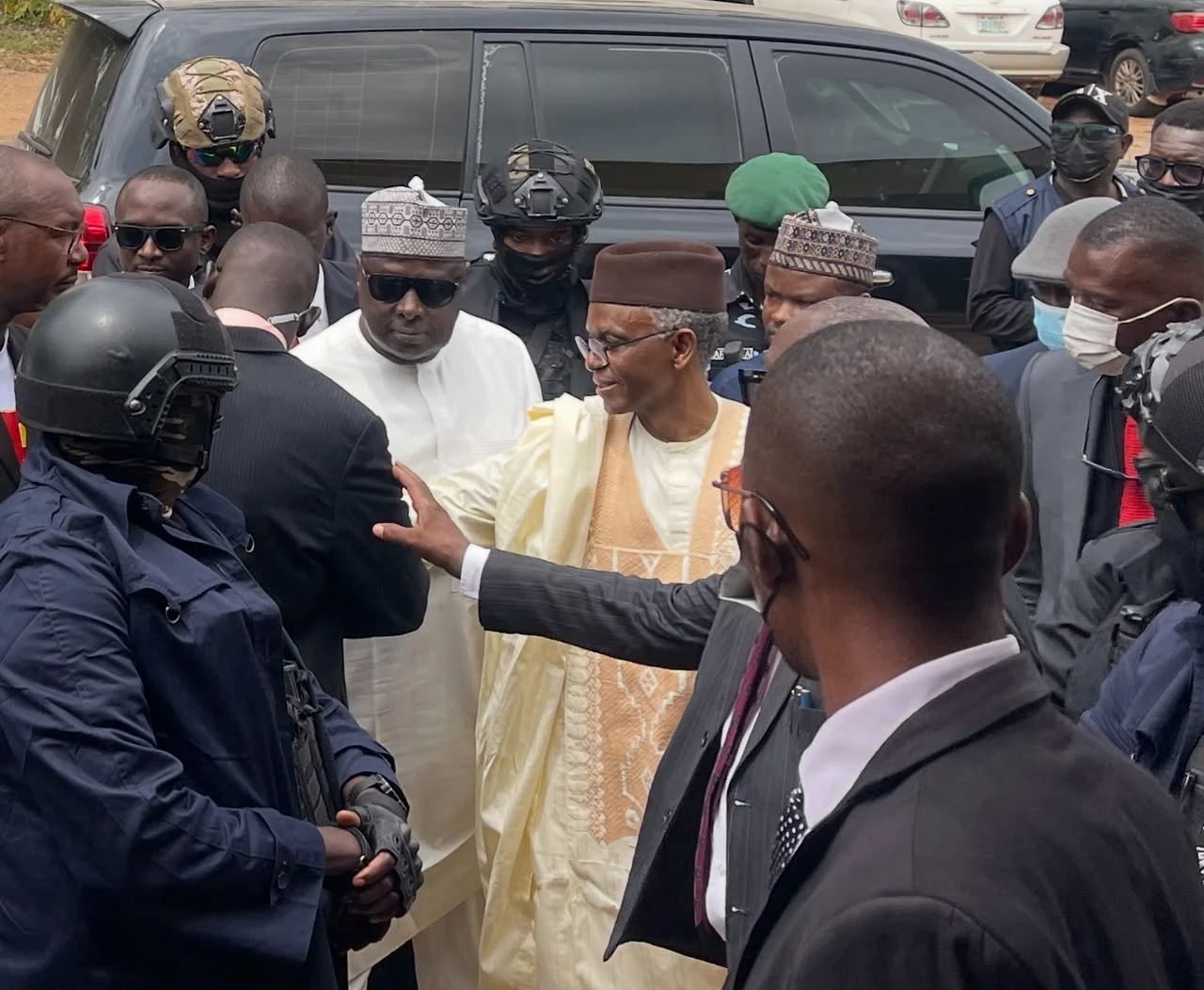
El-Rufai Returns to Court as Corruption Trial Resumes, Bail Appeal Fails
Fails Excerpt: Former Kaduna governor faces renewed trial proceedings after the Court of Appeal upheld his detention, with multiple financial allegations still before the courts.
 News
News
FG Unveils Digital Platform, Targets $100bn from Tourism, Creative Economy
Government launches D30 to connect investors with tourism and creative opportunities, targeting three million jobs by 2030.
 News
News
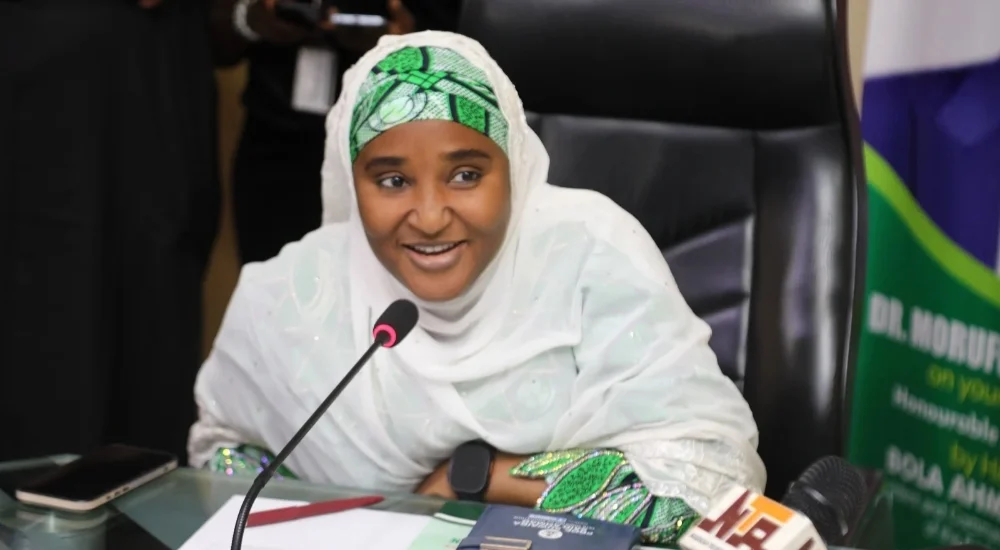
FG Urges Varsities to Adopt AI, Strengthen Regulatory Compliance
Education Minister Suwaiba Ahmad urges universities to embrace AI responsibly while improving governance, accountability and compliance with standards.
 News
News
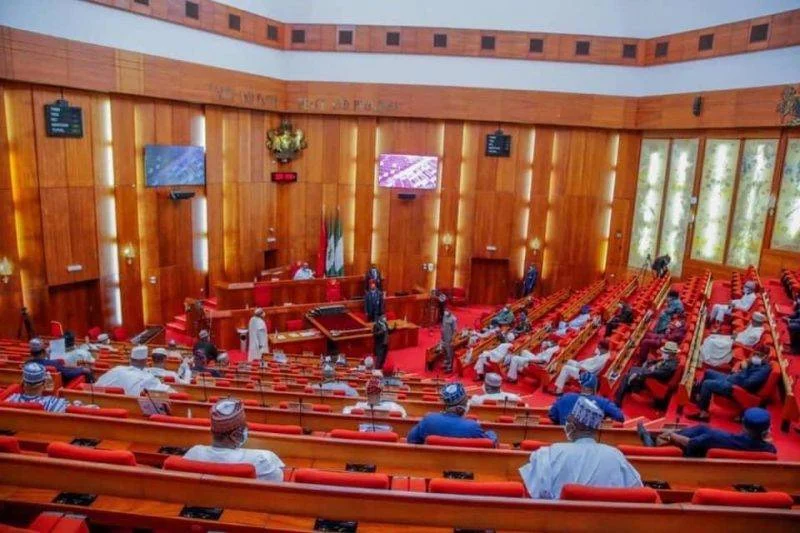
Tinubu Seeks Reps’ Approval to Pay Yobe N100.5bn for Airport
President seeks legislative approval for a N100.5bn promissory note to reimburse Yobe State for its airport construction.
Comments (0)
Leave a comment
All comments are moderated before publishing. Your email is never published.