
High Power, Credit Costs Make Nigerian Factories Uncompetitive – NSDC Boss
NSDC boss Kamar Bakrin says high electricity, credit and logistics costs are making Nigerian factories uncompetitive compared to countries like China and Vietnam. He called for cheaper power, lower lending rates and improved infrastructure to strengthen local manufacturing.
.jpg)
The Executive Secretary and Chief Executive Officer of the National Sugar Development Council (NSDC), Kamar Bakrin, has said Nigerian manufacturers are struggling to compete globally because of the country's high electricity, financing and logistics costs. Speaking at the 17th National Council on Industry, Trade and Investment in Enugu, Bakrin said factories in Nigeria pay between two and 10 times more for key production inputs than manufacturers in countries such as Vietnam and China.
Bakrin explained that the country's biggest industrial challenge is not a lack of demand but the high cost of production. He noted that industrial electricity costs about 8 US cents per kilowatt-hour in Vietnam, 10 cents in China, compared to roughly 15 cents on Nigeria's national grid, rising to nearly 30 cents when businesses rely on diesel generators. He added that Nigerian manufacturers spent an estimated ₦1.34 trillion generating their own electricity last year.
He also highlighted the burden of expensive financing, stating that working capital attracts interest rates of 27–35 per cent in Nigeria, compared to about 9 per cent in Vietnam and 3 per cent in China. Bakrin further pointed to weak logistics, noting that Nigeria ranks 88th out of 139 countries on the World Bank's Logistics Performance Index, well behind Vietnam and China, making locally produced goods less competitive.
To improve industrial competitiveness, the NSDC boss called for dedicated power supply to industrial clusters, single-digit industrial lending, faster port clearance and improved worker productivity. He urged state governments to leverage the Electricity Act 2023, harmonise levies and invest in industrial infrastructure, arguing that reducing production costs would boost manufacturing, create jobs and increase Nigeria's export competitiveness.
Sponsored

Related stories
 News
News
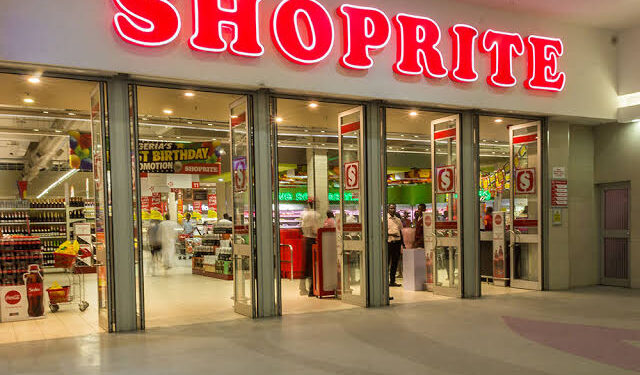
Shoprite Set To Open Neighbourhood Stores After Shutdown
Shoprite Nigeria plans to open standalone neighbourhood stores after reopening three outlets, as investors pursue a strategy to cut costs and revive operations.
 News
News
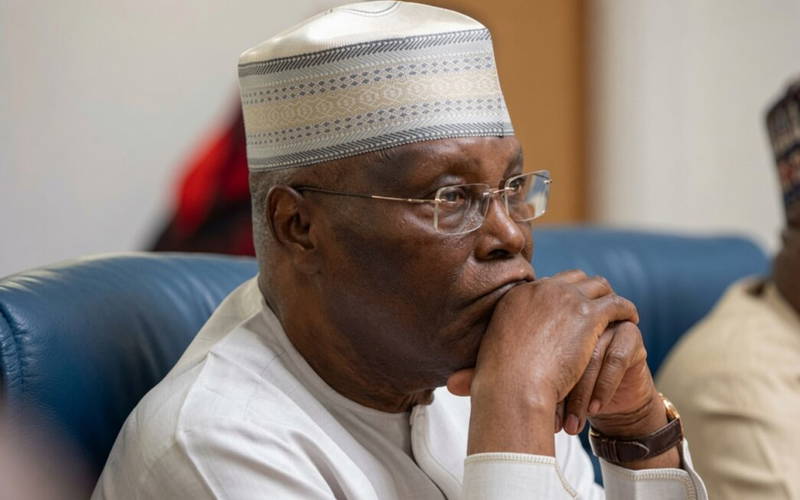
Blaming Opposition For Hunger Is ‘Delusion’ — Atiku Tells Tinubu
Atiku Abubakar has accused President Tinubu of evading responsibility for Nigeria’s economic hardship after blaming opposition politicians for hunger and poverty.
 News
News
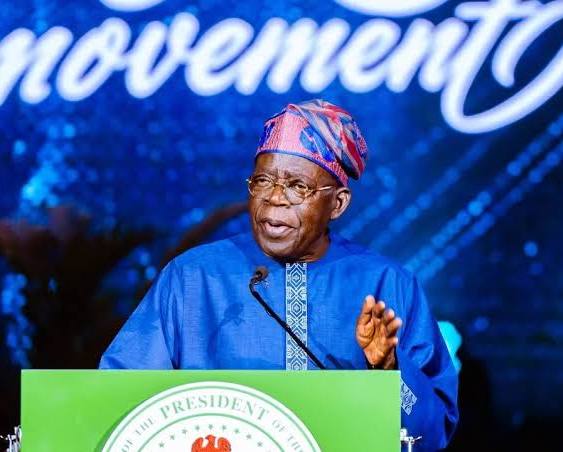
Tinubu Accuses Opposition of Creating Hunger, Poverty
President Bola Tinubu has accused opposition parties of creating the hunger and poverty they now criticise his administration over, insisting that his government is working to eradicate hardship and deliver economic prosperity.
 News
News
UNICEF, Sokoto Target One Million Children for Polio Vaccination
UNICEF and the Sokoto State Government are intensifying efforts to protect children against polio through vaccination, community mobilisation and public awareness, with emphasis on reaching every eligible child and addressing vaccine hesitancy.
Comments (0)
Leave a comment
All comments are moderated before publishing. Your email is never published.