
Gulf Crisis Deepens as Iran Strikes Kuwait, US Launches Counterattacks Near Hormuz
Gulf tensions have escalated after reports of Iranian missile strikes on Kuwait and U.S. retaliatory strikes near the Strait of Hormuz, deepening fears of wider regional conflict and further disruption to global oil shipping routes.
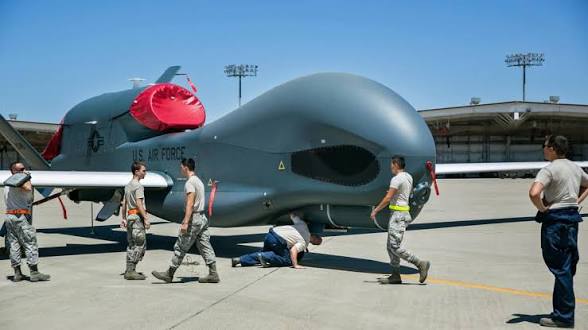
Tensions in the Gulf region have escalated sharply following reported missile and drone attacks by Iran on targets in Kuwait, alongside retaliatory strikes by the United States near the strategic Strait of Hormuz.
According to multiple security and diplomatic sources, Iranian forces launched coordinated strikes targeting key infrastructure in Kuwait, including areas linked to energy and military logistics. The attack is believed to be part of a wider escalation in hostilities across the Gulf region.
In response, the United States reportedly carried out precision strikes on Iranian-linked military positions near the Strait of Hormuz, a vital global oil shipping route that has become increasingly unstable amid ongoing conflict.
The developments have raised fresh fears over the security of global energy supplies, as the Strait of Hormuz remains one of the world’s most important maritime chokepoints, with a significant portion of global oil shipments passing through it daily.
Regional governments have condemned the escalation and called for restraint, warning that continued attacks could further destabilize the Middle East and trigger broader economic consequences, particularly in global oil markets.
Military analysts say the situation reflects a rapidly deteriorating security environment, with both sides increasingly engaging in direct and indirect strikes despite ongoing diplomatic efforts to prevent a wider war.
Oil markets have already begun reacting to the renewed tensions, with prices edging higher amid fears of potential disruptions to shipping routes and production facilities across the Gulf.
Diplomatic observers warn that unless urgent negotiations resume, the crisis could spiral into a broader regional conflict involving multiple state and non-state actors operating in the Middle East.
Sponsored

Related stories
 News
News
Police Arrest Three Suspects over Drug Possession, Child Defilement in Bauchi
Bauchi Police have arrested two men over suspected Indian hemp possession and a 20-year-old man over the alleged defilement of a seven-year-old girl in Dass.
 News
News
Oyo Government Denies Diphtheria Outbreak Claims, Says No Cases Confirmed
The Oyo State Government says no diphtheria cases have been confirmed, dismissing claims by an APC campaign organisation while outlining measures to manage suspected cases.
 News
News
Haitian-Canadian Novelist Denies Using AI to Write Debut Novel
Haitian-Canadian author Thélyson Orélien has denied using artificial intelligence to write his acclaimed debut novel, while admitting to past plagiarism and describing the controversy surrounding his work as deeply distressing.
 News
News
Fubara Commends IGP Disu for Neutrality During Rivers Crisis
Rivers State Governor Siminalayi Fubara has commended the Inspector-General of Police, Mr Olatunji Disu, for maintaining neutrality and professionalism while serving as Commissioner of Police in the state during its political crisis.
Comments (0)
Leave a comment
All comments are moderated before publishing. Your email is never published.