
FG Renews Drive to Eradicate Livestock Disease by 2030
Government has restated its commitment to wipe out Peste des Petits Ruminants (PPR) and other major livestock diseases by 2030 through mass vaccination, stronger surveillance and science‑based policies. Officials say the push is crucial for protecting rural livelihoods, boosting food security and modernising Nigeria’s livestock economy.
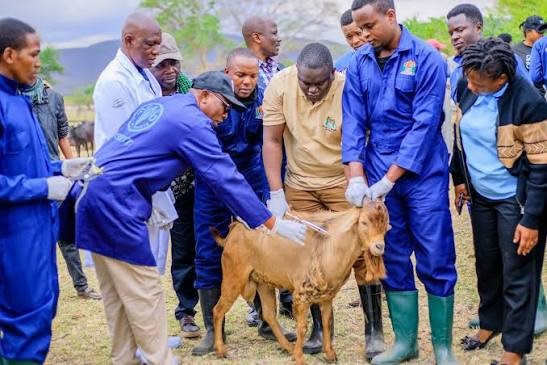
Nigeria’s Federal Government has renewed its drive to eradicate key livestock diseases by 2030, with Peste des Petits Ruminants (PPR) ,a highly contagious viral disease of sheep and goats — at the centre of the campaign. PPR causes high mortality, reduced productivity and serious economic losses for smallholder farmers, making its elimination a priority for both food security and poverty reduction.
The Minister of Livestock Development, Idi Mukhtar Maiha, has repeatedly described the 2030 deadline for ending PPR as “non‑negotiable,” underscoring a shift toward science‑based disease control and evidence‑driven policy. Under the new approach, government is strengthening surveillance systems, expanding vaccination coverage, investing in laboratory capacity and promoting closer coordination between veterinary services and other agencies.
In partnership with the Food and Agriculture Organization of the United Nations, Nigeria is implementing an emergency Technical Cooperation Programme worth about 350,000 dollars to upgrade animal‑health systems and improve control of livestock diseases. The collaboration includes renewed efforts to eradicate PPR, assess vaccine production capacity at the National Veterinary Research Institute and close supply gaps that have previously slowed large‑scale vaccination.
The 2030 target for PPR sits alongside wider disease‑eradication commitments. Through the National Animal Disease Control Programme, Nigeria has been pursuing eradication of Foot and Mouth Disease (FMD) and Brucellosis via repeated vaccination rounds, mirroring global goals to eliminate these major livestock threats by 2030. At the same time, the government has “declared war” on dog‑mediated rabies and pledged to meet the global target of zero human deaths from rabies by 2030, with dog vaccination campaigns and awareness drives already underway.
Officials argue that tackling these diseases together will deliver multiple benefits. Healthy animals mean more reliable meat, milk and eggs for Nigerian households and higher incomes for pastoralists and smallholder farmers. It also reduces the risk of zoonotic spillovers and aligns with a One Health agenda that links animal, human and environmental health under a single planning framework.
To make the eradication drive work, government and partners are focusing on several pillars:
- Mass vaccination and coverage tracking: Repeated, high‑coverage vaccination campaigns for sheep and goats against PPR, with digital systems to track doses and identify gaps.
- Surveillance and diagnostics: Stronger field surveillance, rapid reporting of outbreaks and better laboratory support to confirm cases and monitor progress.
- Vaccine supply and manufacturing: Assessing and upgrading domestic vaccine‑production capacity, while securing additional supplies to sustain nationwide campaigns.
- Coordination and funding: Establishing a Livestock Donor Working Group to align development efforts and drafting a national feed and fodder strategy to complement health interventions with productivity gains.
The government is also investing in scientific infrastructure to support the wider livestock‑health agenda. A new National Agricultural Reference Laboratory, developed in partnership with the University of Abuja and the SCRiH initiative, is intended to boost food‑safety testing, research and diagnostic capabilities, giving Nigeria a stronger technical base for managing animal‑health threats.
Challenges remain. Eradicating diseases by 2030 demands sustained financing, consistent political will and strong collaboration with state governments, private veterinarians and livestock communities. Rural access, insecurity in some grazing areas and farmer awareness can all affect how quickly vaccines reach animals and how reliably outbreaks are reported.
Even so, the renewed push signals a clear strategic direction. By tying specific livestock‑disease targets to the 2030 horizon, Nigeria is trying to lock animal health into its broader food‑security and rural‑development plans rather than treat it as a series of isolated campaigns. If the country can maintain momentum on vaccination, surveillance and system reforms, it stands a realistic chance of turning PPR and other major livestock diseases from recurring threats into historical problems — with measurable gains for farmers, consumers and public health.
Related stories
 Agriculture
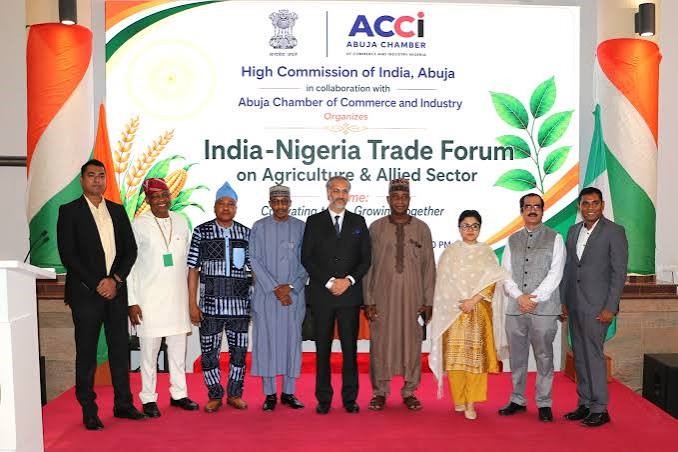
India Unveils Plan to Help Nigeria Cut Post-Harvest Losses by Half, Deepen Farm Sector Ties
India has proposed a wide-ranging agricultural partnership with Nigeria covering technology transfer, dairy farming, food processing and climate-smart practices, aimed at slashing the nearly 50 per cent of produce Nigeria loses after harvest.
 Agriculture
Zamfara Receives 100 Tractors Under Renewed Hope Agricultural Programme
Zamfara State has taken delivery of 100 tractors and farm implements under the Federal Government’s Renewed Hope National Agricultural Mechanisation Programme after approving N6.271 billion for the initiative.
 Agriculture
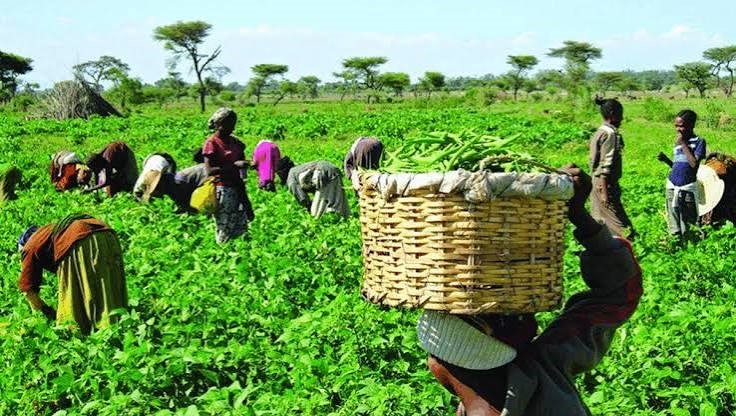
Katsina Farmers Predict Bumper Harvest, Commend FG, State Govt for Fertiliser, Seed Distribution
The All Farmers Association of Nigeria in Katsina State says more than 300,000 of its members have benefited from federal government subsidised fertiliser and improved seed distribution, predicting a bumper harvest for the current farming season.
 Agriculture
Farmers in Benue, Nasarawa, Ogun, Edo to Access Tractors Under New ELRA-Heifer Nigeria Leasing Deal
Smallholder farmers across Benue, Nasarawa, Ogun and Edo states will soon gain access to tractors, irrigation systems and other farming equipment through a new leasing partnership between the Equipment Leasing Registration Authority and Heifer Nigeria.
Comments (0)
Leave a comment
All comments are moderated before publishing. Your email is never published.