
Farmers in Benue, Nasarawa, Ogun, Edo to Access Tractors Under New ELRA-Heifer Nigeria Leasing Deal
Smallholder farmers across Benue, Nasarawa, Ogun and Edo states will soon gain access to tractors, irrigation systems and other farming equipment through a new leasing partnership between the Equipment Leasing Registration Authority and Heifer Nigeria.
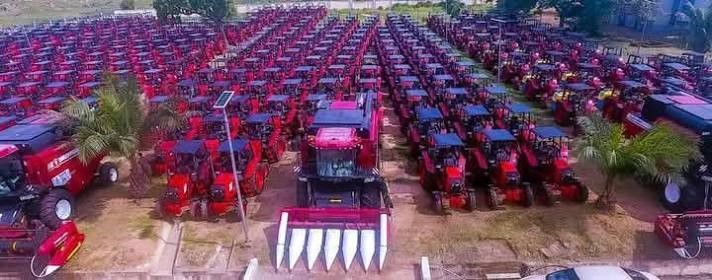
Smallholder farmers in Benue, Nasarawa, Ogun and Edo states are set to gain access to affordable tractors, irrigation systems and other modern farming equipment, following a new partnership between the Equipment Leasing Registration Authority (ELRA) and Heifer Nigeria aimed at boosting food production, strengthening agricultural value chains and enhancing the country's food security.
The two organisations formalised the collaboration through a two-year Memorandum of Understanding, running from August 15, 2026, to August 14, 2028, to be implemented under Heifer Nigeria's flagship Naija Unlock Programme. The agreement was disclosed in a statement issued by the Head of Media and Corporate Communication of ELRA, Adebola Sunday, outlining the scope and objectives of the new partnership.
According to the statement, the initiative will expand access to agricultural mechanisation through flexible leasing and lease-to-own models, designed specifically to enable smallholder farmers, cooperatives, women and young agripreneurs to acquire modern equipment without the high upfront costs typically associated with outright purchases , a financing barrier that has long kept many Nigerian farmers reliant on manual labour and outdated tools.
Speaking at the signing ceremony, the Registrar and Chief Executive Officer of ELRA, Donald Wokoma, described the agreement as a major milestone in advancing agricultural financing and tackling one of the most persistent barriers to increased food production in Nigeria. He said the initiative would initially benefit farmers in the four pilot states before potentially being replicated more broadly across the country, positioning the leasing model as one that could eventually address equipment access challenges nationwide rather than remaining limited to a handful of states.
Wokoma explained that the partnership demonstrates how equipment leasing can unlock opportunities for farmers, cooperatives and young agripreneurs by giving them affordable access to tractors, irrigation systems, processing equipment and other productive assets essential to agricultural transformation. He added that the collaboration reinforces ELRA's broader commitment to positioning leasing as a catalyst for national development, connecting more Nigerians with the productive assets required to succeed, and expressed confidence that the partnership would ultimately redefine how farmers and rural enterprises access equipment, driving productivity, job creation and economic prosperity in the process.
Also speaking at the event, the Country Director of Heifer Nigeria, Lekan Tobe, said the collaboration reflects the organisation's broader commitment to empowering smallholder farmers through practical, market-driven solutions rather than direct handouts. He confirmed that implementation would begin in the same four states under the Naija Unlock Programme, with plans to expand the model to other parts of the country once it has been tested and refined.
Tobe stressed that access to productive assets remains fundamental to transforming agriculture and lifting farming families out of poverty, describing the leasing models introduced through the partnership as a pathway for farmers, cooperatives, women and youth to acquire equipment capable of increasing productivity, reducing post-harvest losses, and building more resilient agribusinesses over time. He framed the initiative as creating a route for smallholder farmers to move from subsistence farming toward sustainable prosperity, while simultaneously contributing to Nigeria's broader food security objectives.
According to the statement, the agreement provides for the joint development of affordable leasing and lease-to-own arrangements covering a wide range of equipment, including tractors, power tillers, planters, weeders, threshers, solar-powered irrigation systems, renewable energy-powered agricultural equipment, processing machinery, storage facilities and cold-chain infrastructure — a fairly comprehensive equipment list suggesting the partnership is intended to address multiple points along the agricultural value chain, from planting through to post-harvest storage and processing.
The initiative is expected to lower production costs, reduce reliance on manual labour, improve overall farm efficiency, and help bridge the long-standing financing gap that has historically prevented many Nigerian farmers from accessing modern agricultural machinery. Beyond equipment financing itself, both organisations have also committed to implementing capacity-building programmes covering agribusiness management, financial literacy, equipment operation and maintenance, enterprise development and asset management, targeted at farmers, cooperatives, leasing companies and rural enterprises participating in the scheme.
The partnership adds to a broader pattern of equipment leasing and mechanisation initiatives that have gained traction across Nigeria's agricultural sector in recent years, as government agencies and development partners increasingly explore leasing models as an alternative to outright equipment ownership, particularly for smallholder farmers who make up the bulk of the country's agricultural workforce but often lack the capital required for major equipment purchases.
Sponsored

Related stories
 Agriculture
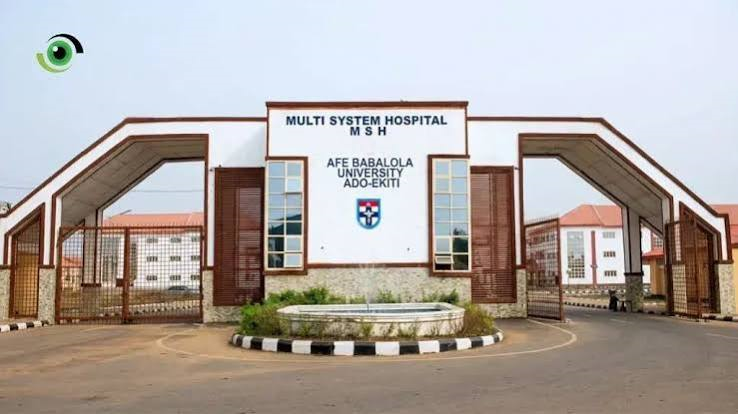
Babalola’s Farmer Support Hits N98m
Legal icon Aare Afe Babalola has disbursed N11.2 million to 81 outstanding farmers across Ekiti State's 16 local government areas, bringing total awards under his annual agricultural scheme since 2015 to N98 million.
 Agriculture
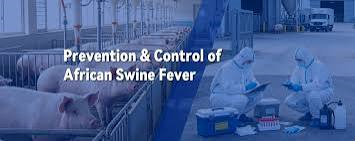
FG Launches African Swine Fever Control Campaign in Southwest
The Federal Government has launched a major African Swine Fever control and biosecurity campaign at the Oke-Aro Pig Farm Estate, distributing protective kits to farmers and pledging comprehensive training to prevent future outbreaks. The intervention by the Livestock Productivity and Resilience Support Project (L-PRES) targets one of Nigeria's largest pig production clusters, which has suffered devastating losses from the highly contagious disease in the past.
 Agriculture
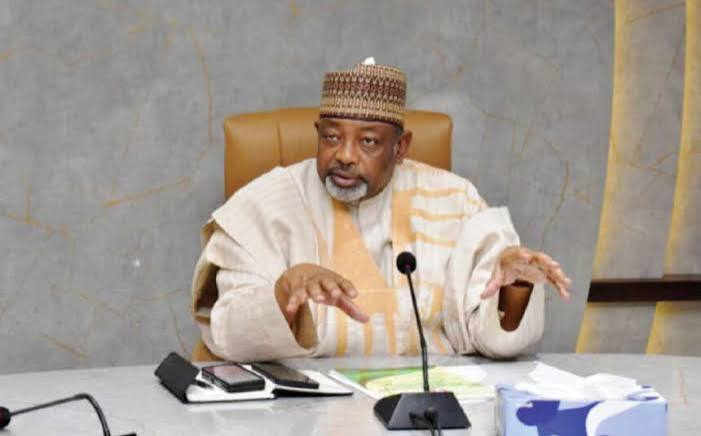
Kyari: More Farmland Won’t Feed 400 Million Nigerians
Agriculture Minister Abubakar Kyari says Nigeria must treat agricultural extension as critical infrastructure, disclosing that over 100,000 farmers already receive weekly digital advisories as the country's population heads toward 400 million by 2050.
 Agriculture
Farmland Expansion Alone Won’t Feed Nigeria
Agriculture Minister Abubakar Kyari says Nigeria must shift to demand-driven, AI-enabled agricultural extension services to boost farm yields, warning that expanding farmland alone can no longer feed the country's growing population.
Comments (0)
Leave a comment
All comments are moderated before publishing. Your email is never published.