
EAF Calls for Early Education to Tackle Endometriosis
The Endometriosis and Adenomyosis Foundation (EAF) has issued a passionate call for a paradigm shift in how menstrual health is understood, taught, and treated in Nigeria. Advocating for increased public awareness, the early integration of menstrual health education into school curricula, and improved clinical capacity, the foundation is pushing to ensure timely diagnosis and comprehensive care for the millions of individuals living with endometriosis and adenomyosis.
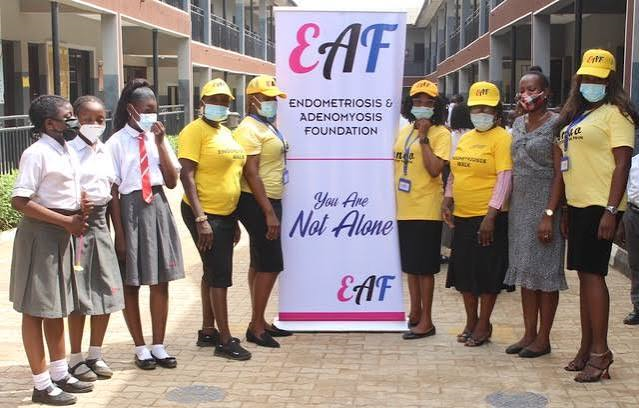
The Endometriosis and Adenomyosis Foundation (EAF) has issued a passionate call for a paradigm shift in how menstrual health is understood, taught, and treated in Nigeria. Advocating for increased public awareness, the early integration of menstrual health education into school curricula, and improved clinical capacity, the foundation is pushing to ensure timely diagnosis and comprehensive care for the millions of individuals living with endometriosis and adenomyosis.
Endometriosis, a condition where tissue similar to the lining of the womb grows outside it, and adenomyosis, where this tissue grows into the muscular wall of the uterus, are often shrouded in silence and medical misunderstanding. Olabimpe Fapohunda, the Chief Executive Officer of EAF, described endometriosis not merely as a localized reproductive issue, but as a complex, systemic condition that demands urgent and comprehensive attention from the public, healthcare professionals, and policymakers alike.
Highlighting the sheer scale of the crisis, Fapohunda referenced global health data which estimates that endometriosis affects approximately one in ten women of reproductive age. Despite this staggering prevalence, the condition is routinely normalized or dismissed by both society and, occasionally, the medical community as ordinary menstrual discomfort.
“The condition should no longer be dismissed as ordinary menstrual discomfort,” Fapohunda stressed, pointing out that this normalization is a primary driver of the severe diagnostic delays that patients face. It is not uncommon for women to suffer in silence for up to a decade before receiving an accurate diagnosis and appropriate treatment.
To combat this deeply ingrained culture of dismissal, Fapohunda advocated for profound institutional reforms, most notably the integration of age-appropriate menstrual health education into national school curricula. She argued that early education is a critical preventative and diagnostic tool. By teaching young girls about their reproductive health before they even experience their first period, schools can equip them with the knowledge to distinguish between normal, manageable menstrual cramps and severe warning signs, such as debilitating pelvic pain, gastrointestinal distress during menstruation, and unusually heavy bleeding.
Such foundational knowledge, Fapohunda noted, would empower young women to seek earlier medical consultations when something is wrong, rather than suffering in silence. Furthermore, introducing these topics in educational settings plays a vital role in challenging the pervasive stigma, shame, and misconceptions surrounding menstrual health, fostering a more supportive environment for those affected.
Beyond the classroom, EAF is demanding a massive upgrade in clinical capacity and medical training. The foundation is calling for enhanced, specialized training for radiologists, gynecologists, and other frontline healthcare professionals. Accurate imaging and a deep understanding of the disease's presentation are crucial for the detection of deep infiltrating endometriosis and localized lesions, which are frequently missed during routine ultrasounds. By upskilling the medical workforce, Nigeria can drastically reduce the agonizing diagnostic delays that exacerbate the physical and emotional toll of the disease.
Ultimately, the EAF’s advocacy highlights a critical gap in Nigeria’s public health framework regarding women’s reproductive rights and chronic pain management. By pushing for early education, clinical upskilling, and sweeping institutional reforms, the foundation is laying the groundwork for a future where endometriosis is recognized, respected, and treated with the urgency it deserves. For the one in ten women navigating this systemic condition, these proposed reforms are not just policy recommendations; they are a lifeline to a better quality of life.
Sponsored
Related stories
 Health
Borno Hires 2,000 Health Workers, Still Faces Staff Shortage
Borno State has recruited nearly 2,000 doctors, nurses and other health professionals in two years, but the head of its contributory health agency says manpower gaps persist as demand grows under the state health insurance scheme.
 Health
Lassa Fever Kills 268 in Nigeria as Cases Hit 1,138
Nigeria has recorded 1,138 confirmed Lassa fever cases and 268 deaths across 24 states in 2026, with the case fatality rate rising to 23.6 per cent—significantly higher than the 18.6 per cent recorded during the same period in 2025. The NCDC has identified five states accounting for 88 per cent of all confirmed cases, as it intensifies preparedness efforts ahead of the peak transmission season.
 Health
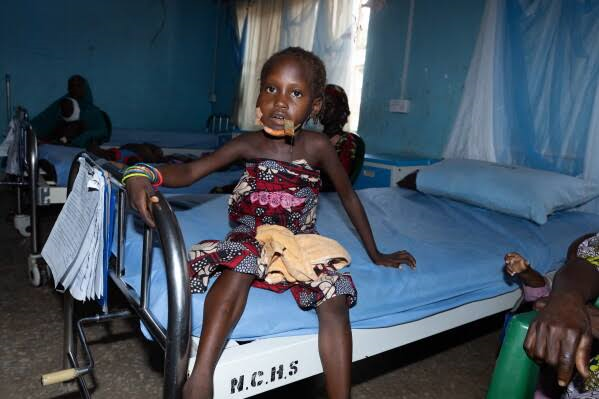
MSF Calls for Routine Noma Surveillance in Nigeria
Doctors Without Borders says noma, a fast-moving and often fatal facial infection linked to malnutrition and poverty, remains largely missing from Nigeria's routine child health programmes despite its 2023 recognition as a neglected tropical disease.
 Health
Oyo Rejects Diphtheria Outbreak Claims, Accuses APC
The Oyo State Government has dismissed claims by the Senator Sharafadeen Alli Campaign Organisation that diphtheria has affected 16 local government areas, describing the allegation as false and politically motivated. Commissioner for Health Dr. Oluwaserimi Ajetunmobi confirmed that while suspected cases have been recorded in 10 LGAs, none have been confirmed, and accused the APC campaign group of distorting immunisation data to score political points.
Comments (0)
Leave a comment
All comments are moderated before publishing. Your email is never published.