
Kaduna, UNICEF Mobilise 23 LGAs Against Malnutrition
Kaduna State, UNICEF, and CS-SUNN have mobilized spouses of 23 LGA chairmen to drive grassroots nutrition interventions, shifting the focus from treatment to proactive malnutrition prevention
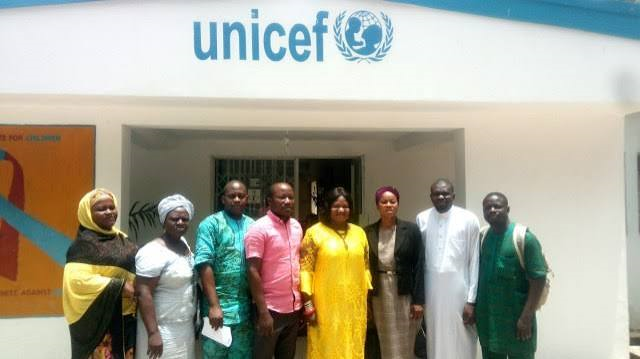
In a strategic move to combat the persistent challenge of childhood and maternal malnutrition, the Kaduna State Government, in partnership with the United Nations Children’s Fund (UNICEF) and Civil Society-Scaling Up Nutrition in Nigeria (CS-SUNN), has launched a comprehensive mobilization drive across all 23 Local Government Areas (LGAs) in the state. The initiative uniquely targets the spouses of LGA chairmen and key community stakeholders, positioning them as primary advocates for nutrition interventions at the grassroots level.
The collaborative effort was formalized during a high-level advocacy and resource mobilization meeting held in Kaduna, which convened the wife of the Governor, Hajiya Hafsat Uba Sani, alongside the spouses of the 23 council chairmen. The gathering underscored a critical paradigm shift in public health strategy: effective nutrition programs must transcend high-level policies and funding allocations to directly reach the homes and communities where daily decisions regarding food, childcare, breastfeeding, and maternal health are made.
Speaking at the event, the Kaduna State Commissioner for Planning and Budget, Mukhtar Ahmed Monrovia, emphasized that the government’s renewed commitment to nutrition is driven by the profound, long-term impact of early childhood and maternal dietary habits.
“The food a child receives, the care provided to a pregnant woman, the support given to a breastfeeding mother, and the availability of appropriate nutrition services at the community level all have consequences that extend far beyond the household,” Monrovia stated. He stressed that nutrition outcomes directly dictate survival rates, cognitive development, future productivity, and the overall socio-economic trajectory of communities. Because primary healthcare services are delivered at the grassroots, and families make critical childcare decisions within these same environments, local engagement remains the linchpin of any successful public health intervention.
Representing the UNICEF Chief of the Kaduna Field Office, Dr. Gerida Birukila, Nutrition Specialist Mrs. Chinwe Ezeife reaffirmed the global agency’s dedication to the state’s health objectives. She highlighted that UNICEF’s operational mandate prioritizes the most vulnerable demographics to ensure equitable access to life-saving nutrition services.
“Because UNICEF is committed to working in the most vulnerable communities to ensure equitable access to nutrition services, this meeting is very apt,” Ezeife noted, emphasizing that targeted, community-led advocacy is essential to breaking the cycle of intergenerational malnutrition.
A significant portion of the dialogue focused on redefining "resource mobilization" in the context of public health. Ms. Celestina Ayim, the CS-SUNN Coordinator in Kaduna State, challenged the conventional notion that resource mobilization is solely about securing financial capital. Instead, she advocated for a holistic approach to identifying, securing, coordinating, and managing all available assets.
“Resource mobilization has to do with deliberate efforts to identify, secure, coordinate, and manage available resources. It is not necessarily about funds alone,” Ayim explained. She identified human capital, specialized skills, medical commodities, equipment, information networks, strategic partnerships, time, infrastructure, and community services as equally critical resources required to improve nutrition outcomes.
Furthermore, Ayim urged stakeholders to pivot their strategic focus from reactive treatment to proactive prevention. She outlined a comprehensive preventive framework that includes enhancing maternal nutrition, aggressively promoting exclusive breastfeeding, institutionalizing routine growth monitoring and screening, and driving behavior-change communication campaigns at the community level.
“Times are changing, and we are now moving from a focus on cure and treatment to prevention. The messages we want to hear more of should be centred on prevention, not just cure,” Ayim asserted.
This multi-stakeholder alliance represents a robust, decentralized approach to tackling malnutrition in Northern Nigeria, a region that has historically borne a disproportionate burden of stunting and wasting among children under five. By empowering the spouses of local government leaders—who often wield significant social influence and community trust—the initiative seeks to normalize positive nutritional practices and dismantle cultural barriers to maternal and child health.
As the 23 LGAs begin to roll out these localized advocacy and resource-mobilization strategies, the Kaduna State Government and its partners are laying the groundwork for a sustainable, community-owned health ecosystem. If successfully implemented, this grassroots mobilization could serve as a replicable model for other states, proving that the most effective weapon against malnutrition is an informed, empowered, and actively engaged local community.
Sponsored

Related stories
 Health
Borno Hires 2,000 Health Workers, Still Faces Staff Shortage
Borno State has recruited nearly 2,000 doctors, nurses and other health professionals in two years, but the head of its contributory health agency says manpower gaps persist as demand grows under the state health insurance scheme.
 Health
Lassa Fever Kills 268 in Nigeria as Cases Hit 1,138
Nigeria has recorded 1,138 confirmed Lassa fever cases and 268 deaths across 24 states in 2026, with the case fatality rate rising to 23.6 per cent—significantly higher than the 18.6 per cent recorded during the same period in 2025. The NCDC has identified five states accounting for 88 per cent of all confirmed cases, as it intensifies preparedness efforts ahead of the peak transmission season.
 Health
MSF Calls for Routine Noma Surveillance in Nigeria
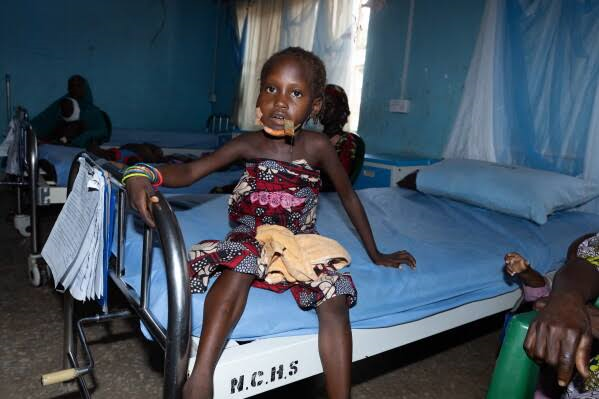
Doctors Without Borders says noma, a fast-moving and often fatal facial infection linked to malnutrition and poverty, remains largely missing from Nigeria's routine child health programmes despite its 2023 recognition as a neglected tropical disease.
 Health
Oyo Rejects Diphtheria Outbreak Claims, Accuses APC
The Oyo State Government has dismissed claims by the Senator Sharafadeen Alli Campaign Organisation that diphtheria has affected 16 local government areas, describing the allegation as false and politically motivated. Commissioner for Health Dr. Oluwaserimi Ajetunmobi confirmed that while suspected cases have been recorded in 10 LGAs, none have been confirmed, and accused the APC campaign group of distorting immunisation data to score political points.
Comments (0)
Leave a comment
All comments are moderated before publishing. Your email is never published.