
Blood Crisis: Nigeria's Supply Falls Short as NBSA Warns of Rising Risks
The National Blood Service Agency has warned that Nigeria's blood supply remains critically below national requirements, with only about 500,000 units collected annually against an estimated need of two million units. Executive Secretary Dr. Saleh Yuguda says voluntary donation stands at just 15 per cent, warning that commercial and family replacement donations are fuelling unsafe practices and putting patients at risk.
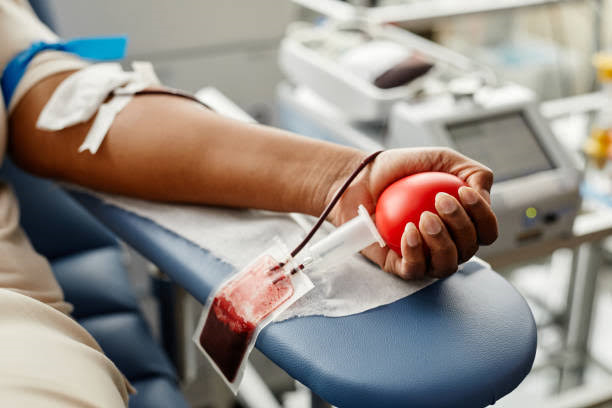
The National Blood Service Agency (NBSA) has raised the alarm over Nigeria's inadequate blood supply, revealing that the country collects only about 500,000 units annually against a national requirement of approximately two million units, leaving a critical gap that continues to endanger the lives of patients in need of transfusion.
Executive Secretary of NBSA, Dr. Saleh Yuguda, disclosed this in Abuja on Monday, warning that the shortfall is compounded by the country's heavy reliance on commercial and family replacement donations rather than voluntary, non-remunerated blood donation. He said only about 15 per cent of the blood collected in Nigeria comes from voluntary donors, while the remaining 85 per cent is sourced through paid donors and family replacement arrangements, a practice that poses significant risks to the safety and sustainability of the national blood supply.
Yuguda described the situation as a public health emergency that demands urgent attention, noting that blood is a critical component of emergency care, maternal health, surgery, cancer treatment and the management of chronic conditions such as sickle cell anaemia. He warned that the shortage is particularly acute in rural and underserved areas, where access to blood banks and transfusion services is limited, forcing patients to travel long distances or rely on informal arrangements that may compromise safety.
"The gap between supply and demand is unacceptable for a country of Nigeria's size and resources," Yuguda said. "We need to move away from a system where people only donate blood when a relative is in need, and towards a culture of regular, voluntary donation. This is the only way to ensure that safe blood is available to everyone who needs it, regardless of their ability to pay."
The NBSA boss explained that the agency had been working to strengthen the national blood system through the establishment of more blood banks, the training of laboratory technicians and the promotion of voluntary blood donation across communities. He said the agency had also been engaging with religious organisations, traditional rulers, schools and the private sector to encourage regular blood donation drives, noting that partnerships with these stakeholders were essential to building a sustainable supply.
Yuguda also expressed concern about the prevalence of paid donation, which he described as a driver of unsafe practices. He explained that commercial donors often donate blood too frequently and may conceal health conditions, increasing the risk of transmitting blood-borne infections such as HIV, hepatitis B and hepatitis C. He stressed that the NBSA had been working to strengthen screening procedures at blood banks and to enforce regulations that would eventually eliminate the commercialisation of blood donation.
Nigeria's blood supply challenges are well documented. According to the World Health Organisation, countries should collect at least 10 units of blood per 1,000 people to meet basic transfusion needs, and at least 50 units per 1,000 to meet more complex needs. Nigeria's current collection rate of approximately 2.5 units per 1,000 people falls far short of even the most basic threshold, leaving millions of patients without access to safe blood when they need it most.
The consequences of this shortfall are particularly devastating for women and children. Postpartum haemorrhage is a leading cause of maternal mortality in Nigeria, and the unavailability of blood for transfusion is a contributing factor in many preventable deaths. Children with severe anaemia from malaria, malnutrition or sickle cell disease also depend on timely transfusion to survive. Without an adequate blood supply, the health system's ability to respond to emergencies and manage critical conditions remains severely compromised.
Yuguda called on the Federal Government to increase investment in the national blood system, including funding for blood banks, testing laboratories, cold chain storage and the training of personnel. He also urged state governments to establish and equip blood banks at the local government level to improve access in rural areas. "Blood is not something that can be imported or manufactured. It can only come from the generosity of healthy individuals," he said. "We need every Nigerian to see blood donation as a civic responsibility, a simple act that can save up to three lives."
The NBSA has also been working on a strategic plan to increase voluntary blood donation from 15 per cent to at least 50 per cent by 2030, in line with WHO recommendations. To achieve this, the agency has been training blood bank managers, establishing donor clubs in schools and universities, and working with religious leaders to reduce misconceptions about blood donation.
For a country that accounts for a disproportionate share of the world's maternal deaths and where sickle cell disease affects millions, the blood shortage is not just a logistical challenge but a moral one. Every unit of blood that is unavailable represents a potential life lost, a family devastated, a future extinguished. As Yuguda put it, the solution lies not in technological fixes but in the simple, life-saving act of voluntary donation. The question is whether Nigeria can mobilise its people to answer that call before more lives are lost.
Sponsored

Related stories
 Health
Nigeria Unveils Second Robotic Surgery Platform in Northern Region
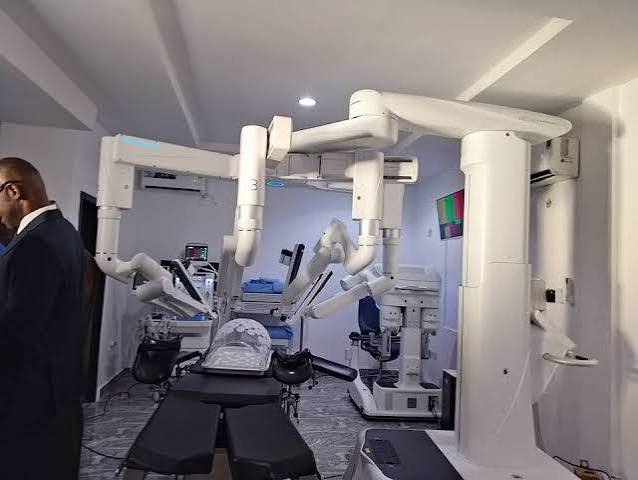
The Federal Government has unveiled Nigeria’s second robotic surgery platform at Eleos Specialist Hospital, Abuja—a milestone that places the country’s capital at the forefront of advanced medical technology in Northern Nigeria. With precision surgery, reduced recovery times, and improved patient outcomes, the platform signals a new era in Nigerian healthcare. But with cost, access, and training still looming large, the question is whether this is a genuine transformation or a gleaming showpiece
 Health
JOHESU Gives FCTA Seven-Day Ultimatum Over Unpaid Health Workers’ Allowances
The Joint Health Sector Unions (JOHESU) has issued a seven-day ultimatum to the Federal Capital Territory Administration (FCTA) to pay outstanding allowances owed to health workers or face an indefinite strike that would paralyse Abuja’s hospitals and clinics. The ultimatum, which expires on November 27, 2026, follows the expiration of a previous 14-day warning and a FCT Minister’s directive that remains unimplemented. With CONHESS adjustment arrears, skipping allowances, and promotion arrears s
 Health
FESTAC Fit Walk 2026 Turns Lagos Streets Into Fitness Hub, Free Clinic
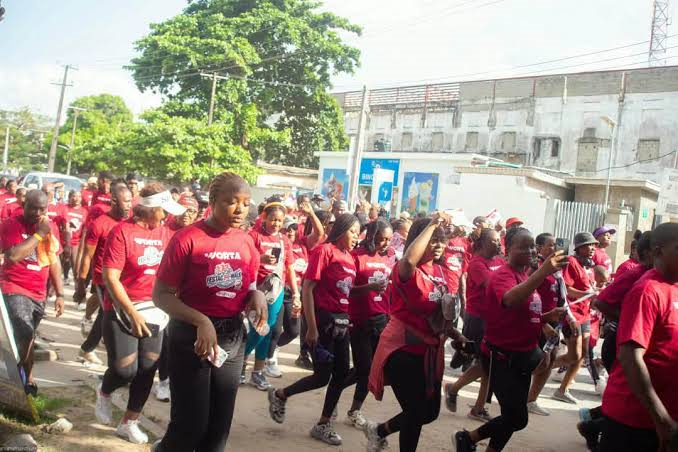
ShakaraSquare’s 2026 Festac Fit Walk brought residents, Nollywood actor Seun Akindele, Peninsula Medicare, and a coalition of corporate partners together for a day of fitness and free health screenings,blood pressure, blood sugar, eye exams, and dental checks,in a deliberate attempt to shift Lagos’ health conversation from costly cure to accessible prevention. With Festival Mall as the finish line and Prospera Finance linking wellness to financial responsibility, the event was part fitness festi
 Health
Manipal Hospitals Opens Lagos Centre to Attract Nigerian Medical Travellers
Indian healthcare powerhouse Manipal Hospitals has opened a patient information centre in Ikeja GRA, Lagos, in partnership with LinkMi Nigeria, offering Nigerian patients access to online consultations, medical visa support, travel arrangements, and follow-up care across its 50-hospital network in India. With over 11,000 doctors, 55 specialties, and robotic-assisted surgery capabilities, the move signals a deepening competition for Nigeria’s medical tourism spending,and a tacit admission that th
Comments (0)
Leave a comment
All comments are moderated before publishing. Your email is never published.