
Adamawa Targets 130,000 Children in Polio Vaccination Drive
Adamawa State will run a special polio vaccination exercise from November 5 to 12 in Gombi and Fufore local government areas, targeting 130,000 children under five as part of the November National Plus Days campaign.
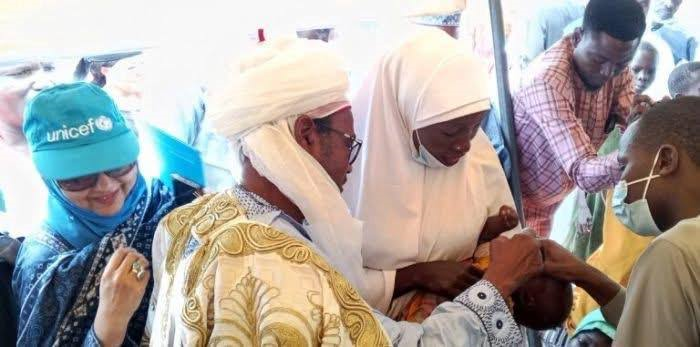
The Adamawa State Government, working with development partners, will conduct a special polio vaccination exercise in two local government areas, targeting a total of 130,000 children.
The Director of Disease Control and Immunisation at the Adamawa State Primary Health Care Development Agency (ADSPHCDA), Dr James Jacob Vassumu, disclosed this at a media dialogue held on Friday in Yola.
According to Vassumu, the agency and its partners have scheduled the exercise for November 5 to 12, 2026, in Gombi and Fufore Local Government Areas. He said the activity was carefully planned to strengthen immunity in the targeted communities and forms part of the November 2026 National Plus Days Immunisation Campaign.
He explained that the two councils were chosen on the basis of the history of polio virus circulation, disease surveillance records, and assessments of immunisation coverage. In other words, health officials looked at where the virus has been detected, what monitoring data show, and where too few children have been vaccinated, and then directed the exercise towards those areas.
The vaccination will concentrate on children from zero to 59 months of age, that is, from birth up to five years old. Vassumu said special emphasis will be placed on children living in hard-to-reach communities where routine immunisation coverage remains inadequate.
That focus matters because children in remote settlements are the most likely to miss scheduled vaccinations. Long distances to health facilities, poor roads, seasonal access problems, and in some places insecurity can prevent families from completing the recommended vaccine schedule. Supplementary campaigns such as National Plus Days are designed to reach those children by taking vaccinators to communities rather than waiting for families to come to clinics.
Polio is a highly infectious viral disease that mainly affects young children and can cause irreversible paralysis. There is no cure, so prevention through vaccination is the only protection. Nigeria was certified free of wild poliovirus in 2020 after years of intensive campaigns, but health authorities have continued to deal with outbreaks of circulating vaccine-derived poliovirus, which can emerge and spread in places where too few children are immunised. That is why surveillance records and coverage data carry so much weight in deciding where to concentrate extra rounds of vaccination.
The Adamawa exercise also comes as northern Nigeria confronts other vaccine-preventable threats. Diphtheria outbreaks in Katsina, Kano, and Plateau states this year have shown how quickly disease can spread when immunisation gaps open up, and have prompted emergency vaccine deployments. Health experts have repeatedly argued that strengthening routine immunisation, so that more children are protected before outbreaks begin, is cheaper and safer than responding after the fact.
Digital tools are playing a larger role in how such campaigns are organised. eHealth Africa recently reported that it supported the vaccination of more than 23 million children across 15 states in the first half of 2026, using digitised microplans and settlement maps to guide vaccination teams. Tools of this kind help teams find and count every settlement in an area, reducing the risk that remote communities are skipped. Whether Adamawa will use similar technology in its November exercise was not stated in the available report.
For parents in Gombi and Fufore, the practical message is straightforward. Vaccinators are expected to visit communities during the eight-day window, and health officials have encouraged caregivers to make children under five available. Supplementary doses are given regardless of how many routine doses a child has already received, and each additional dose strengthens protection.
The success of the exercise will depend on several factors that campaigns of this kind routinely face: sufficient vaccine supply and cold-chain capacity, trained vaccination teams, early community sensitisation, and the ability to reach children in distant or insecure areas. Follow-up checks after the exercise, including monitoring for children who were missed, are typically used to measure coverage and to decide whether any additional visits are needed.
With the November 5 start date approaching, attention turns to preparations in the two councils and to how many of the 130,000 targeted children are actually reached during the eight-day exercise.
Sponsored

Related stories
 Health
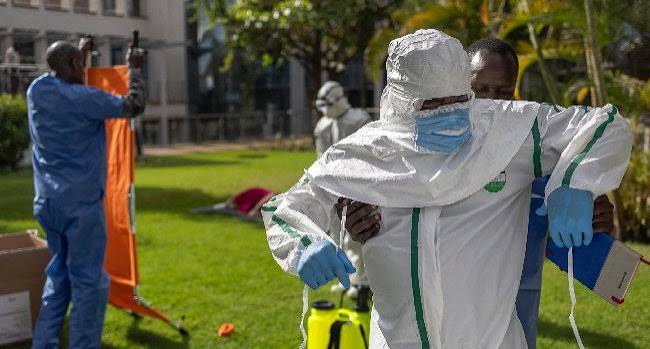
Ebola: NCDC Identifies 62 Contacts, Extends Monitoring to November 13
The Nigeria Centre for Disease Control and Prevention has identified 62 individuals who had contact with confirmed Ebola cases and is monitoring them until November 13, 2026. With two healthcare workers among the confirmed cases and the Democratic Republic of Congo's outbreak continuing to spread, Nigeria remains on high alert, intensifying surveillance at points of entry and urging citizens to report symptoms and travel history promptly.
 Health
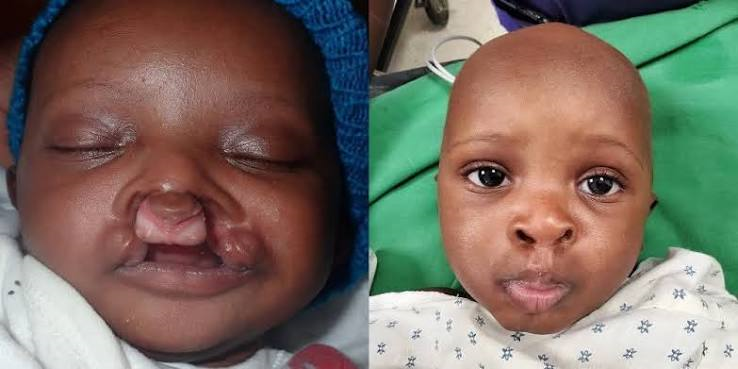
Beyond Charity: The Push for Sustainable Cleft Care in Nigeria
Nigeria faces a backlog of over 200,000 untreated cleft cases, with only about 750 specialists available to perform the 7,000 surgeries needed annually. As Smile Train and the Federal Ministry of Health launch a five-year, $10 million initiative to integrate cleft care into the national health system, experts warn that charity missions alone cannot solve a crisis rooted in limited surgical capacity, prohibitive costs, and a severe shortage of trained professionals.
 Health
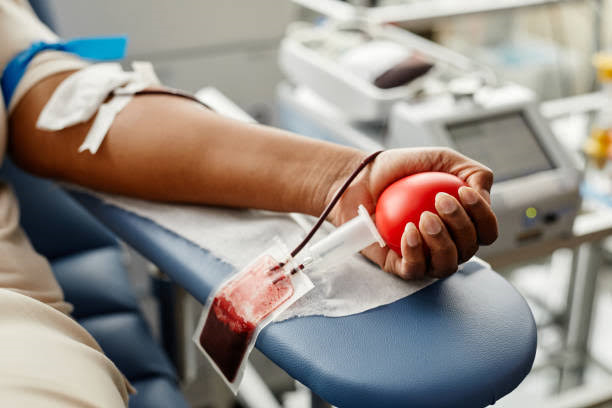
Blood Crisis: Nigeria's Supply Falls Short as NBSA Warns of Rising Risks
The National Blood Service Agency has warned that Nigeria's blood supply remains critically below national requirements, with only about 500,000 units collected annually against an estimated need of two million units. Executive Secretary Dr. Saleh Yuguda says voluntary donation stands at just 15 per cent, warning that commercial and family replacement donations are fuelling unsafe practices and putting patients at risk.
 Health
Borno Hires 2,000 Health Workers, Still Faces Staff Shortage
Borno State has recruited nearly 2,000 doctors, nurses and other health professionals in two years, but the head of its contributory health agency says manpower gaps persist as demand grows under the state health insurance scheme.
Comments (0)
Leave a comment
All comments are moderated before publishing. Your email is never published.