
Ebola: NCDC Identifies 62 Contacts, Extends Monitoring to November 13
The Nigeria Centre for Disease Control and Prevention has identified 62 individuals who had contact with confirmed Ebola cases and is monitoring them until November 13, 2026. With two healthcare workers among the confirmed cases and the Democratic Republic of Congo's outbreak continuing to spread, Nigeria remains on high alert, intensifying surveillance at points of entry and urging citizens to report symptoms and travel history promptly.
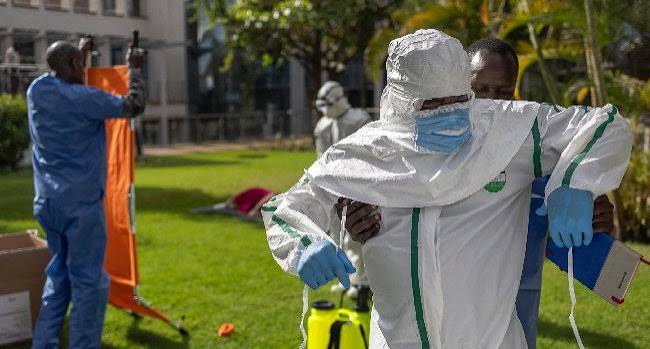
The Nigeria Centre for Disease Control and Prevention (NCDC) has identified 62 individuals who had contact with confirmed Ebola cases in the country and is monitoring them until November 13, 2026, as part of measures to prevent further transmission of the deadly virus.
The NCDC, in its Ebola Virus Disease situation report, disclosed that as of October 31, 2026, two confirmed cases had been recorded in Nigeria since the declaration of the outbreak, with no new confirmed cases in the reporting week. The two confirmed cases were recorded in Lagos State, according to NAN reports. The report said the first case involved a male who had returned from a trip to Uganda and was managed at a designated treatment centre, while the second was a female healthcare worker who had contact with a confirmed case.
According to the report, the male case was confirmed on October 17, 2026, after returning from Uganda, and was treated at a designated Ebola treatment centre before being discharged. The healthcare worker was confirmed positive on October 27, 2026, and was also managed at a designated treatment centre. The report did not disclose their current status.
The NCDC said it had sustained response activities in Lagos, Bauchi, Kano, Rivers and the Federal Capital Territory, including contact tracing, laboratory testing and infection prevention and control measures. The agency said 62 contacts had been identified and were being monitored, adding that the monitoring period had been extended to November 13, 2026, which marks 21 days after the last confirmed case. The 21-day period is significant because it represents the maximum incubation period for Ebola, meaning that if no new cases emerge within that timeframe, the chain of transmission can be considered broken.
The agency said it had also intensified surveillance at points of entry, particularly for travellers arriving from countries with active Ebola transmission, including the Democratic Republic of Congo (DRC), Uganda and South Sudan. The NCDC said it was working with the Nigeria Immigration Service, the Federal Airports Authority of Nigeria and other stakeholders to ensure that passengers from high-risk countries were properly screened and monitored. The agency urged travellers to comply with health declaration requirements and to report any symptoms consistent with Ebola, including fever, fatigue, muscle pain, headache, sore throat, vomiting, diarrhoea, rash and unexplained bleeding.
The NCDC also said it had trained healthcare workers in designated treatment centres on infection prevention and control, and had prepositioned personal protective equipment and other medical supplies in high-risk states. The agency said it had activated its Emergency Operations Centre to coordinate the response and was working closely with the World Health Organisation, UNICEF, the Africa CDC and other partners to ensure a coordinated and effective response.
The Ebola outbreak in the DRC has continued to spread, with over 7,600 confirmed cases and nearly 3,700 deaths recorded as of October. The outbreak, which was declared in May 2026, has affected 63 health zones across seven provinces, making it the deadliest Ebola outbreak in the DRC's history. The Bundibugyo species of the virus, which is responsible for the current outbreak, has no approved vaccines or specific treatments, complicating the response and increasing the risk of cross-border spread. Uganda has recorded 20 cases, and one case was diagnosed in France, underscoring the global nature of the threat.
Nigeria has experience with Ebola, having successfully contained an outbreak in 2014 that claimed eight lives in Lagos and Port Harcourt. The swift and coordinated response, led by the NCDC with support from the WHO and other partners, was widely praised as a model for outbreak containment in the region. Since then, Nigeria has invested in strengthening its surveillance systems, laboratory capacity and emergency preparedness, but the country remains vulnerable to importation of the virus from affected countries.
In June 2026, President Bola Tinubu established a Presidential Task Force on Ebola Virus Disease Preparedness and approved N10 billion in emergency intervention funding to strengthen the operational capacity of the NCDC. The task force, chaired by the Chief of Staff to the President, Femi Gbajabiamila, was mandated to intensify passenger screening at all international airports, including enhanced temperature checks and crowd-control protocols. Additional measures approved under the presidential directive included enhanced monitoring of passengers arriving through high-risk airline routes, the activation of referral and isolation centres at Lagos and Abuja international airports, and the mandatory activation of QR code-based pre-arrival health declaration systems for passengers originating from or transiting through designated high-risk countries.
The NCDC has urged members of the public to remain vigilant and to promptly seek medical attention if they develop symptoms consistent with Ebola. The agency also advised Nigerians to avoid contact with persons who are sick, to practise good hand hygiene, and to report any suspected cases to the nearest health facility. For a country that has successfully contained an Ebola outbreak before, the current situation offers both a challenge and an opportunity to demonstrate the strength of Nigeria's public health system. As the NCDC continues to monitor contacts and intensify surveillance, the coming weeks will determine whether Nigeria can prevent a wider outbreak and protect its citizens from a virus that has already claimed thousands of lives across the continent.
Sponsored

Related stories
 Health
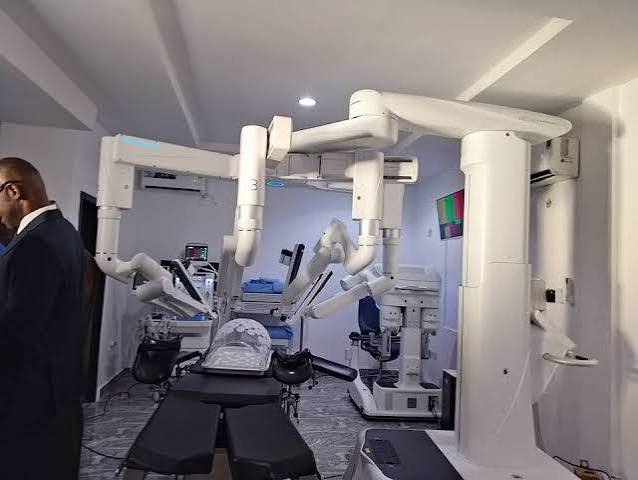
Nigeria Unveils Second Robotic Surgery Platform in Northern Region
The Federal Government has unveiled Nigeria’s second robotic surgery platform at Eleos Specialist Hospital, Abuja—a milestone that places the country’s capital at the forefront of advanced medical technology in Northern Nigeria. With precision surgery, reduced recovery times, and improved patient outcomes, the platform signals a new era in Nigerian healthcare. But with cost, access, and training still looming large, the question is whether this is a genuine transformation or a gleaming showpiece
 Health
JOHESU Gives FCTA Seven-Day Ultimatum Over Unpaid Health Workers’ Allowances
The Joint Health Sector Unions (JOHESU) has issued a seven-day ultimatum to the Federal Capital Territory Administration (FCTA) to pay outstanding allowances owed to health workers or face an indefinite strike that would paralyse Abuja’s hospitals and clinics. The ultimatum, which expires on November 27, 2026, follows the expiration of a previous 14-day warning and a FCT Minister’s directive that remains unimplemented. With CONHESS adjustment arrears, skipping allowances, and promotion arrears s
 Health
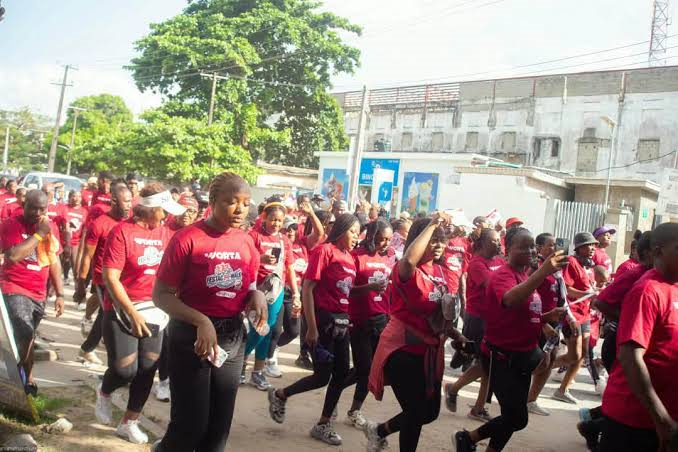
FESTAC Fit Walk 2026 Turns Lagos Streets Into Fitness Hub, Free Clinic
ShakaraSquare’s 2026 Festac Fit Walk brought residents, Nollywood actor Seun Akindele, Peninsula Medicare, and a coalition of corporate partners together for a day of fitness and free health screenings,blood pressure, blood sugar, eye exams, and dental checks,in a deliberate attempt to shift Lagos’ health conversation from costly cure to accessible prevention. With Festival Mall as the finish line and Prospera Finance linking wellness to financial responsibility, the event was part fitness festi
 Health
Manipal Hospitals Opens Lagos Centre to Attract Nigerian Medical Travellers
Indian healthcare powerhouse Manipal Hospitals has opened a patient information centre in Ikeja GRA, Lagos, in partnership with LinkMi Nigeria, offering Nigerian patients access to online consultations, medical visa support, travel arrangements, and follow-up care across its 50-hospital network in India. With over 11,000 doctors, 55 specialties, and robotic-assisted surgery capabilities, the move signals a deepening competition for Nigeria’s medical tourism spending,and a tacit admission that th
Comments (0)
Leave a comment
All comments are moderated before publishing. Your email is never published.