
Beyond Charity: The Push for Sustainable Cleft Care in Nigeria
Nigeria faces a backlog of over 200,000 untreated cleft cases, with only about 750 specialists available to perform the 7,000 surgeries needed annually. As Smile Train and the Federal Ministry of Health launch a five-year, $10 million initiative to integrate cleft care into the national health system, experts warn that charity missions alone cannot solve a crisis rooted in limited surgical capacity, prohibitive costs, and a severe shortage of trained professionals.
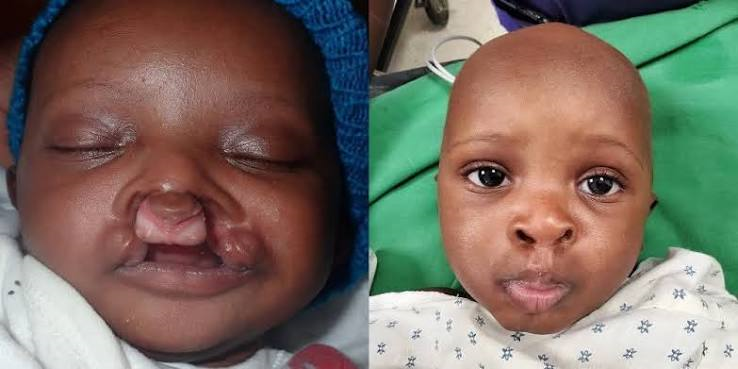
For decades, cleft lip and palate care in Nigeria has depended heavily on the goodwill of international charities, mission trips and episodic surgical camps. These interventions have restored smiles to thousands of children, but they have never been enough to close a gap that widens with every passing year. With an estimated 200,000 untreated cases and about 7,000 new cases annually, Nigeria's cleft burden has outgrown the charity model. The question now is whether the country can build a system that treats cleft care not as a periodic humanitarian gesture, but as a permanent, integrated component of its health system.
Cleft lip and palate are among the most common congenital anomalies worldwide, occurring when the tissues of the face do not fuse properly during pregnancy. In Nigeria, the condition carries a heavy social burden. Children with untreated clefts often face stigma, discrimination, speech difficulties, feeding challenges and social isolation. Many are hidden from public view by families who fear ridicule, while others are abandoned or denied access to education and community life. The physical consequences are compounded by emotional and psychological trauma that can last a lifetime.
The clinical challenges are significant. Cleft repair requires specialised surgical expertise, anaesthesia, post-operative care, speech therapy, orthodontics and nutritional support. Yet Nigeria has only about 750 specialists—surgeons, anaesthetists, nurses and allied health professionals—trained to provide comprehensive cleft care. That number is woefully inadequate for a population of over 260 million people, and the distribution of specialists is heavily skewed toward urban centres, leaving rural communities with little or no access to care.
The cost of treatment is another formidable barrier. A single cleft surgery can cost between N150,000 and N500,000 in private hospitals, while comprehensive care—including multiple surgeries, speech therapy and orthodontic treatment—can run into millions of naira. For families living below the poverty line, these costs are prohibitive. Many children are never treated, not because care is unavailable, but because their families cannot afford it.
It is against this backdrop that Smile Train, the world's largest cleft-focused organisation, has partnered with the Federal Ministry of Health to launch a five-year, $10 million initiative aimed at strengthening local surgical capacity and integrating cleft care into the national health system. The programme, known as CLEFT-R, represents a fundamental shift in approach—from short-term surgical missions to long-term investment in Nigerian health infrastructure, training and policy integration.
Speaking at the launch in Abuja, the Minister of Health, Prof. Muhammad Ali Pate, described the initiative as a critical step toward universal health coverage. "Cleft care cannot remain a charitable endeavour. It must become a standard part of our health system, accessible to every Nigerian child, regardless of where they are born or how much their parents earn," Pate said. He noted that the ministry had included cleft care in the National Surgical, Obstetric, Anaesthesia and Nursing Plan, and that the new partnership would accelerate the training of specialists and the establishment of cleft centres across the country's six geopolitical zones.
The CLEFT-R initiative will train 300 additional cleft care professionals, equip 12 comprehensive cleft care centres, and support the development of a national cleft registry to track cases and outcomes. It will also fund research into the causes and prevention of cleft conditions in Nigeria, and support advocacy campaigns to reduce stigma and improve early detection. The programme will be implemented in partnership with the Nigerian Association for Cleft Lip and Palate, the West African College of Surgeons and several state governments.
Dr. Aisha Bello, a consultant plastic surgeon at the National Hospital, Abuja, welcomed the initiative but cautioned that training alone would not solve the problem. "We need to retain the specialists we train. Many of our best surgeons leave for better opportunities abroad. The brain drain is a real threat to this programme," she said. Bello also stressed the importance of early intervention, noting that surgery performed in the first year of life produces the best outcomes. "Late presentation is a major challenge. Many children arrive when they are already school-age, making treatment more complex and outcomes less optimal," she added.
For parents like Amina Ibrahim, whose son was born with a cleft lip and palate, the new initiative offers hope. "I was devastated when I saw my baby. My husband's family rejected us. I had no money for surgery. I thought my son would never live a normal life," she recalled. Amina's son received free surgery through a Smile Train partner hospital in Kano, but the follow-up care was difficult to access. "We need more hospitals, more doctors, and more support for families like mine," she said.
The push for sustainable cleft care in Nigeria reflects a broader recognition that charity, while valuable, cannot substitute for systemic change. International organisations can provide funding, training and technical support, but the ultimate responsibility for ensuring that every Nigerian child has access to cleft care lies with the government. The CLEFT-R initiative represents a promising step in that direction, but its success will depend on sustained political will, adequate funding, and the active participation of communities, civil society and the private sector.
As Nigeria continues its march toward universal health coverage, the integration of cleft care into the national health system offers a model for how neglected surgical conditions can be addressed. The challenge is immense, but the tools and partnerships are in place. What is needed now is the collective will to ensure that no child is left behind because of a condition that is entirely treatable. For the 200,000 Nigerians living with untreated clefts, the promise of sustainable care is not just about surgery; it is about dignity, inclusion and the chance to live a full and productive life.
Sponsored

Related stories
 Health
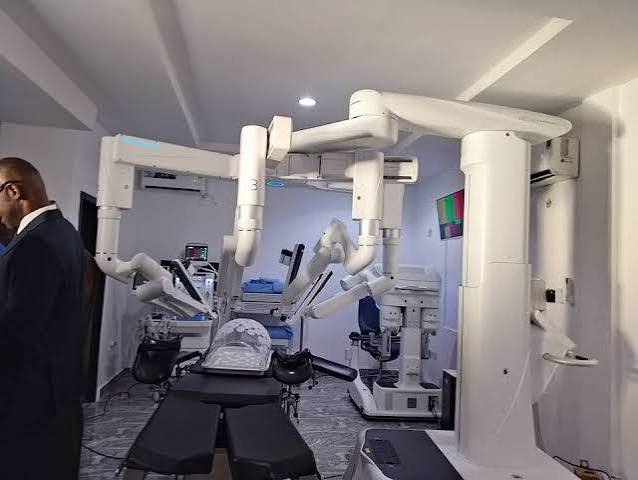
Nigeria Unveils Second Robotic Surgery Platform in Northern Region
The Federal Government has unveiled Nigeria’s second robotic surgery platform at Eleos Specialist Hospital, Abuja—a milestone that places the country’s capital at the forefront of advanced medical technology in Northern Nigeria. With precision surgery, reduced recovery times, and improved patient outcomes, the platform signals a new era in Nigerian healthcare. But with cost, access, and training still looming large, the question is whether this is a genuine transformation or a gleaming showpiece
 Health
JOHESU Gives FCTA Seven-Day Ultimatum Over Unpaid Health Workers’ Allowances
The Joint Health Sector Unions (JOHESU) has issued a seven-day ultimatum to the Federal Capital Territory Administration (FCTA) to pay outstanding allowances owed to health workers or face an indefinite strike that would paralyse Abuja’s hospitals and clinics. The ultimatum, which expires on November 27, 2026, follows the expiration of a previous 14-day warning and a FCT Minister’s directive that remains unimplemented. With CONHESS adjustment arrears, skipping allowances, and promotion arrears s
 Health
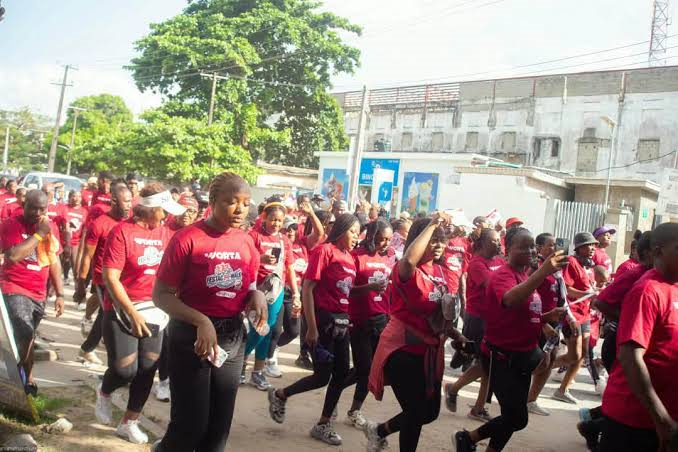
FESTAC Fit Walk 2026 Turns Lagos Streets Into Fitness Hub, Free Clinic
ShakaraSquare’s 2026 Festac Fit Walk brought residents, Nollywood actor Seun Akindele, Peninsula Medicare, and a coalition of corporate partners together for a day of fitness and free health screenings,blood pressure, blood sugar, eye exams, and dental checks,in a deliberate attempt to shift Lagos’ health conversation from costly cure to accessible prevention. With Festival Mall as the finish line and Prospera Finance linking wellness to financial responsibility, the event was part fitness festi
 Health
Manipal Hospitals Opens Lagos Centre to Attract Nigerian Medical Travellers
Indian healthcare powerhouse Manipal Hospitals has opened a patient information centre in Ikeja GRA, Lagos, in partnership with LinkMi Nigeria, offering Nigerian patients access to online consultations, medical visa support, travel arrangements, and follow-up care across its 50-hospital network in India. With over 11,000 doctors, 55 specialties, and robotic-assisted surgery capabilities, the move signals a deepening competition for Nigeria’s medical tourism spending,and a tacit admission that th
Comments (0)
Leave a comment
All comments are moderated before publishing. Your email is never published.