
Ebonyi Communities Get Two-Month Free Medical Care
David Umahi Federal University Health Sciences and its teaching hospital in Uburu have begun a two-month free medical programme open to all residents, targeting malaria, cholera, hypertension, arthritis and other common ailments.
The David Umahi Federal University Health Sciences (DUFUHS) and David Umahi Federal University Teaching Hospital (DUFUTH), both located in Uburu, Ebonyi State, have commenced a two-month free medical treatment programme for their host communities and beyond, aimed at strengthening healthcare delivery and addressing common ailments.
The programme was launched at the hospital on Tuesday and is expected to provide residents with access to medical consultation and treatment, while promoting early detection and management of common illnesses such as diarrhoea, malaria, arthritis, and high blood pressure, among others.
Vice-Chancellor of DUFUHS, Professor Jesse Uneke, said the initiative was designed to support broader efforts to improve healthcare services and make medical care more accessible to the public. He explained that the two-month programme would focus specifically on addressing common health conditions, including malaria, cholera, and other non-communicable diseases, while also aiming to strengthen the relationship between the teaching hospital and the communities within its catchment area by providing services to residents who might otherwise struggle to access healthcare.
Uneke stressed that the university and its teaching hospital remain committed to initiatives capable of improving the health and wellbeing of the wider population. "The treatment is not limited to some persons, it is open for everyone, irrespective of your tribe. This is part of our responsibility to give back to society. Making contributions and support to improve the health of the people, especially those that cannot afford quality healthcare," he said.
Also speaking at the launch, the Chief Medical Director (CMD) of DUFUTH, Professor Chihurumnanya Alo, said the free treatment programme was necessary to help check the spread of common diseases among residents. He explained that the initiative was designed to give members of the public an opportunity to access medical services without being constrained by their social or economic circumstances, stressing that the programme is open to every citizen requiring medical attention during the exercise, with no restriction to any particular person, group, or category of residents.
Alo urged residents to take advantage of the initiative by presenting themselves at the hospital whenever they experience symptoms requiring medical attention, noting that early presentation at healthcare facilities assists prompt diagnosis and treatment, and reduces the risk of complications. He further emphasised the need for residents to adopt healthy practices and cooperate with healthcare professionals in efforts to prevent the spread of communicable diseases.
According to the hospital, the initiative forms part of its broader efforts to improve access to quality healthcare and contribute to the wellbeing of people within its host community and surrounding areas.
Chairman of the Medical Advisory Committee (CMAC) at DUFUTH, Dr Ugoji Darlington-Peter, urged members of the public to take advantage of the treatment exercise to examine their own health. He explained that the two-month programme is expected to give residents an opportunity to access medical attention while simultaneously supporting broader public health efforts against common communicable diseases circulating within the area.
The DUFUHS and DUFUTH initiative adds to a pattern of free medical outreach programmes launched by Nigerian teaching hospitals and universities in recent years, as institutions increasingly look to combine their clinical and community-engagement mandates with direct, accessible healthcare delivery for residents in their host communities, particularly those who may otherwise face financial or logistical barriers to receiving timely medical attention.
Sponsored

Related stories
 Health
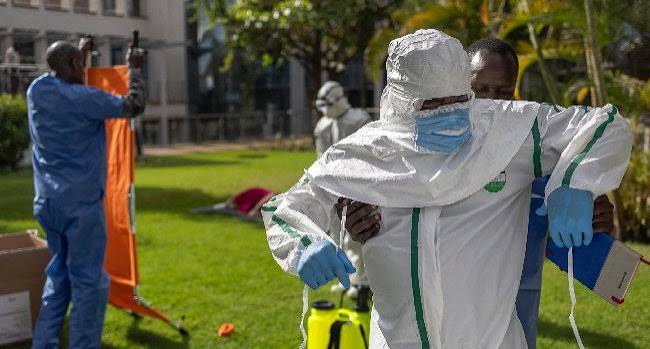
Ebola: NCDC Identifies 62 Contacts, Extends Monitoring to November 13
The Nigeria Centre for Disease Control and Prevention has identified 62 individuals who had contact with confirmed Ebola cases and is monitoring them until November 13, 2026. With two healthcare workers among the confirmed cases and the Democratic Republic of Congo's outbreak continuing to spread, Nigeria remains on high alert, intensifying surveillance at points of entry and urging citizens to report symptoms and travel history promptly.
 Health
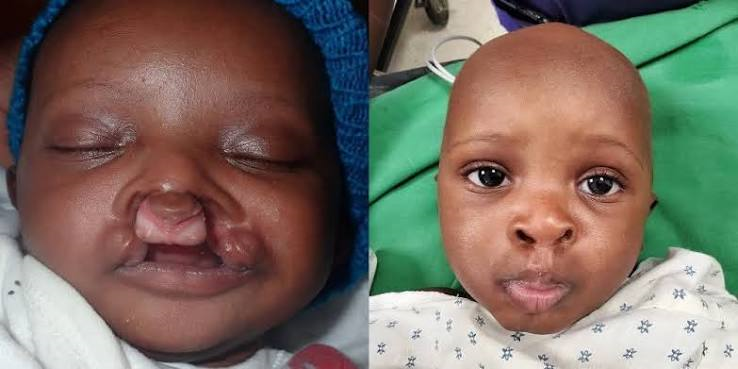
Beyond Charity: The Push for Sustainable Cleft Care in Nigeria
Nigeria faces a backlog of over 200,000 untreated cleft cases, with only about 750 specialists available to perform the 7,000 surgeries needed annually. As Smile Train and the Federal Ministry of Health launch a five-year, $10 million initiative to integrate cleft care into the national health system, experts warn that charity missions alone cannot solve a crisis rooted in limited surgical capacity, prohibitive costs, and a severe shortage of trained professionals.
 Health
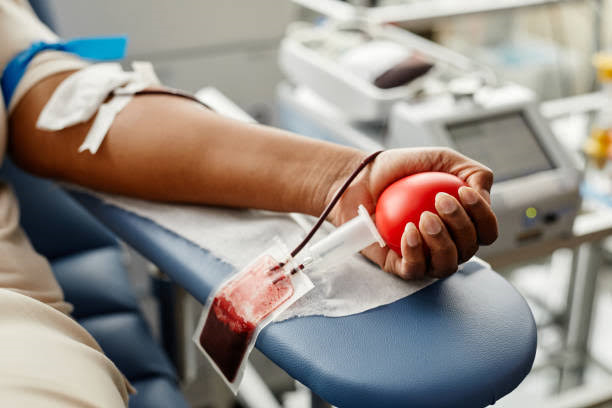
Blood Crisis: Nigeria's Supply Falls Short as NBSA Warns of Rising Risks
The National Blood Service Agency has warned that Nigeria's blood supply remains critically below national requirements, with only about 500,000 units collected annually against an estimated need of two million units. Executive Secretary Dr. Saleh Yuguda says voluntary donation stands at just 15 per cent, warning that commercial and family replacement donations are fuelling unsafe practices and putting patients at risk.
 Health
Adamawa Targets 130,000 Children in Polio Vaccination Drive
Adamawa State will run a special polio vaccination exercise from November 5 to 12 in Gombi and Fufore local government areas, targeting 130,000 children under five as part of the November National Plus Days campaign.
Comments (0)
Leave a comment
All comments are moderated before publishing. Your email is never published.