
Paraguay Senate Impeaches President Peña, Alliana Takes Over
Paraguay’s Senate has removed President Santiago Peña from office over allegations linked to the collapse of Ueno Bank, with Vice-President Pedro Alliana sworn in as his successor.
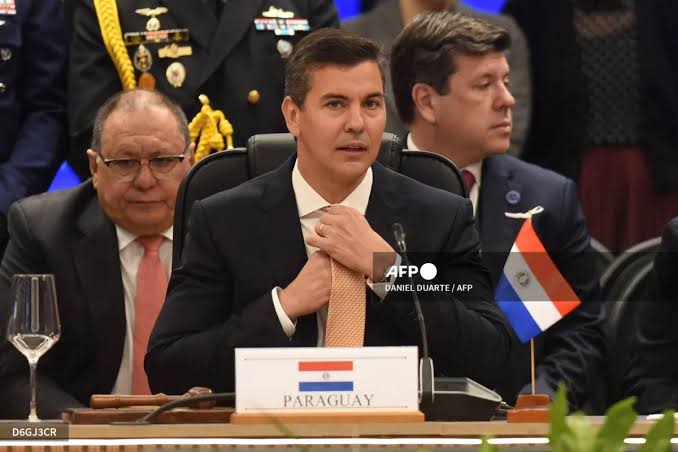
Paraguay's former Vice-President, Pedro Alliana, was sworn in as the new President shortly after the Senate voted to remove Peña, with 44 of the 45 senators supporting the impeachment motion. One lawmaker was absent, while Senate President Basilio Núñez declared Peña guilty of poor performance in office.
Hundreds of protesters gathered outside Congress to celebrate the decision, demanding accountability and the return of their savings following the banking crisis.
Authorities subsequently placed Peña under house arrest, according to prosecutor Silvia Margarita González Vester. He is expected to appear before prosecutors for questioning over allegations including breach of trust, influence peddling and misappropriation of funds.
The impeachment followed the collapse of Ueno Bank, which left millions of customers unable to access their accounts. The bank had grown from a digital financial technology company into a major lender responsible for handling state pensions and accounts belonging to several government institutions.
Investigators are examining allegations concerning the supervision and resolution of Ueno Bank, as well as the placement of public funds in the institution. Peña, who had previously held a stake in Grupo Vázquez, the group that controlled the bank, denied allegations of a conflict of interest.
Although Peña had offered to resign on Thursday amid mounting pressure, lawmakers proceeded with the impeachment, stripping him of his political immunity.
In his first remarks as President, Alliana pledged that affected depositors, including pensioners, would not be abandoned. He promised full compensation for citizens affected by the financial collapse and said his administration would serve until 2028.
Meanwhile, efforts to return some of the frozen funds have begun. Initial payments of up to approximately $1,600 are being made to eligible customers who have no outstanding loans and hold accounts with other financial institutions in Paraguay.
The crisis has also led to the removal of Central Bank President Carlos Carvallo and Interior Minister Enrique Riera, while eight Ueno executives have been arrested. Police have also conducted searches at locations linked to Grupo Vázquez.
Protests over the collapse continued in Asunción and other cities, with thousands of customers demanding access to their savings.
Sponsored

Related stories
 News
Farage Vows to Scrap UK Graduate Visa Route Used by Over 20,000 Nigerians
Reform UK leader Nigel Farage has pledged to abolish the United Kingdom’s Graduate visa route if his party wins power, a proposal that could affect thousands of Nigerian graduates. Home Office figures show that 20,478 Nigerians received grants under the scheme in the year ending September 2026.
 News
Primate Ayodele Warns of Possible Crisis, Cancellation of 2027 Elections
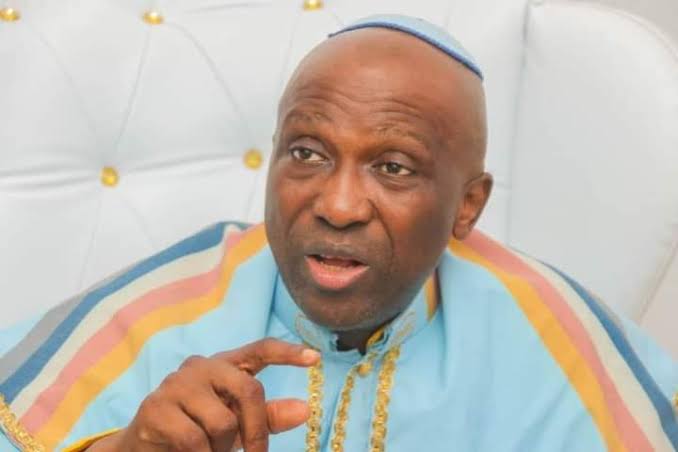
Leader of INRI Evangelical Spiritual Church, Primate Elijah Ayodele, has warned of possible political violence and widespread tension during the 2027 general elections, saying the polls could be cancelled or postponed if the situation is not properly managed. He urged INEC and security agencies to strengthen preparations against electoral violence.
 News
Court Reserves Judgment in Alleged N3.1bn Fraud Case Against Suswam
The Federal High Court in Abuja has reserved judgment in the alleged N3.1 billion money laundering case involving former Benue State Governor Gabriel Suswam and his former Finance Commissioner, Omodachi Okolobia, following the adoption of final written addresses by their lawyers and the EFCC.
 News
Olofu Urges Benue South Voters to Participate in INEC Mock Accreditation Exercise
Benue South senatorial aspirant, David Olofu, has urged eligible voters in the district to participate in the Independent National Electoral Commission’s mock accreditation exercise scheduled for November 28, 2026, describing it as an opportunity to test electoral technology ahead of the 2027 general elections.
Comments (0)
Leave a comment
All comments are moderated before publishing. Your email is never published.