
63% of Nigerians Want Interest Rates Reduced — CBN Survey
63% of Nigerians Want Interest Rates Reduced — CBN Survey
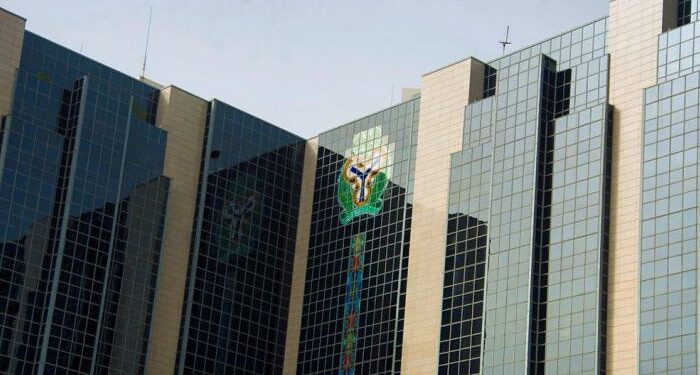
The Central Bank of Nigeria (CBN) has revealed that 63.3 per cent of Nigerians are in favour of a reduction in interest rates ahead of the Monetary Policy Committee (MPC) meeting scheduled for May 19 and 20, 2026.
The apex bank disclosed this in its April 2026 Inflation Expectations Survey Report released by its Statistics Department under the Economic Policy Directorate, and published on its website.
According to the report, while Nigerians expressed a strong preference for lower borrowing costs, this sentiment persists despite ongoing inflationary pressures affecting households and businesses across the country.
“The survey revealed high public engagement with CBN communications (92.1 per cent), a general perception of transparency (93.3 per cent), and a strong desire for a reduction in interest rates (63.3 per cent),” the report stated.
It further showed that 26.0 per cent of respondents preferred interest rates to remain unchanged, while 10.7 per cent supported a further increase in rates. The findings come as the MPC prepares to decide on the Monetary Policy Rate amid rising inflation, exchange rate pressure, insecurity concerns, and high energy costs.
The survey indicated that inflation perception worsened in April 2026, with 67.2 per cent of respondents describing inflation as high, compared to 56.4 per cent recorded in March. The Inflation Perception Index also stood at 40.5 points, reflecting continued concern over rising prices.
Households were more affected than businesses, with 68.8 per cent reporting high inflation perception, compared to 65.9 per cent among firms. Micro businesses recorded the highest inflation perception at 69.9 per cent.
Income analysis showed that households earning below ₦70,000 monthly experienced the highest inflation pressure at 77.9 per cent, while those earning between ₦250,001 and ₦350,000 recorded lower levels at 46.6 per cent.
Rural households were also more impacted, with 70.4 per cent reporting high inflation perception compared to 67.6 per cent in urban areas. Respondents identified energy costs, transportation, exchange rate volatility, insecurity, and infrastructure gaps as key drivers of inflation.
Despite the challenges, many respondents expressed cautious optimism that inflation could moderate over the next six months, even as expectations of rising expenditure remain high across households and businesses nationwide.
Sponsored

Related stories
 News
News
FG Seeks World Bank Guarantees for Infrastructure Financing
Nigeria’s Oyedele and Cardoso seek World Bank guarantees to attract private capital for infrastructure projects.
 News
News
Power: FG to Clear GenCos’ Legacy Debts in 2027 — Tegbe
Power Minister Joseph Tegbe says the Federal Government aims to settle outstanding legacy debts owed to electricity generation companies by 2027.
 News
News
IPO: Dangote Petroleum Refinery Extends Offer Period by Two Weeks
Dangote Refinery extends its share offer to October 27, giving investors more time to participate in the landmark IPO.
 News
News
Houthi Official Warns of ‘Swift, Painful Response’ if US Enters Yemen War
Houthi official Mohammed Al Bukhaiti threatens US interests if Washington joins Saudi Arabia’s military campaign against the group.
Comments (0)
Leave a comment
All comments are moderated before publishing. Your email is never published.