
30 Months After Subsidy Removal, FG Spends ₦30.6tn, Mobilises ₦15.8tn in Savings
FG says subsidy and forex reforms mobilised ₦15.8tn, while ₦30.6tn was spent easing reform-related pressures.
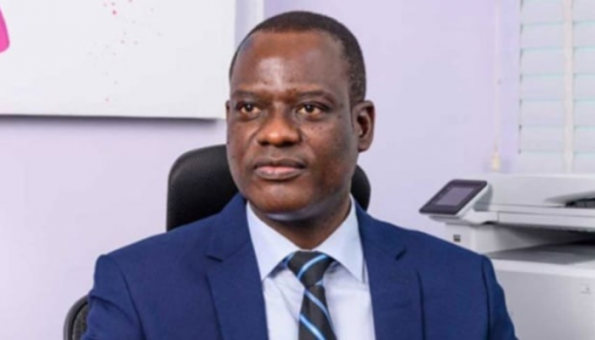
Thirty months after President Bola Tinubu removed the petrol subsidy and introduced major economic reforms, the Federal Government says it spent ₦30.64tn on additional obligations while the reforms generated ₦15.8tn in additional resources for the Federation.
The figures were contained in the Nigeria Reform Scorecard, titled “The Benefits, Costs and Harm Prevented,” released on Wednesday by the Federal Government to provide an account of the financial impact of the reforms between June 2023 and December 2025.
Finance Minister and Coordinating Minister of the Economy, Taiwo Oyedele, explained that the ₦15.8tn was not held in a separate account labelled “subsidy savings.” Rather, the resources emerged through increased naira revenues following the removal of the petrol subsidy and the unification of the foreign exchange market.
According to the scorecard, the Federal Government received ₦5.4tn, representing 34 per cent of the total, while states received ₦6.5tn and local governments got ₦3.9tn under the Federation Account allocation formula.
Oyedele said the reforms also generated ₦3.1tn in additional independent revenue, largely from increased remittances by government-owned entities, while another ₦11.9tn came from additional borrowing.
This brought the Federal Government’s total incremental resources to ₦20.4tn. However, its incremental expenditure during the period reached ₦30.64tn, leaving a gap of about ₦10.24tn.
The government said the largest expenditure items were wage adjustments, external debt servicing and infrastructure development.
About ₦9.39tn was spent on wage adjustments, including the new national minimum wage, wage awards and allowances for public servants. Another ₦9.37tn went towards additional external debt servicing caused by naira depreciation, while ₦6.47tn was allocated to strategic infrastructure.
Together, the three categories accounted for more than ₦25tn, or over 82 per cent of incremental expenditure.
Other spending included ₦3.14tn on additional electricity subsidy costs, ₦1.24tn on increased domestic debt servicing, ₦423.8bn on social welfare transfers and ₦201.26bn on the higher naira cost of foreign obligations.
Oyedele said the figures showed that the resources generated by the reforms did not sit idle but were absorbed by rising government obligations.
He acknowledged that the reforms came with significant costs, including higher prices, naira depreciation and increased pressure on households and businesses.
Minister of Information and National Orientation, Mohammed Idris, described subsidy removal as one of the administration’s most difficult reforms but said it was necessary to redirect resources towards sustainable development.
The Minister of Budget and Economic Planning, Abubakar Bagudu, said the reforms were aimed at reducing fiscal leakages, restoring economic confidence and creating greater room for investment in infrastructure, security and human capital.
The government maintained that despite the hardship caused by the reforms, they created fiscal space and helped prevent deeper economic and financial instability.
Sponsored

Related stories
 News
Tinubu Reinstates Suspended Permanent Secretary Danjuma
President Bola Tinubu has reinstated M.S. Danjuma as Permanent Secretary in the Federal Ministry of Finance, effective October 21, following a review of his suspension.
 News
FG Begins Construction of 120MVA Power Substation in Katsina
The Federal Government has commenced construction of a 120MVA power substation in Katsina State to strengthen electricity supply and improve grid reliability.
 News
CBN Grants JPMorgan Preliminary Approval for Merchant Bank
The Central Bank of Nigeria has granted JPMorgan approval-in-principle to establish a merchant bank, subject to final licensing requirements.
 News
State Police May Begin Operations in 2027 — Sanwo-Olu
Lagos Governor Babajide Sanwo-Olu says state police could begin operating by early 2027, subject to the necessary approvals and implementation arrangements.
Comments (0)
Leave a comment
All comments are moderated before publishing. Your email is never published.