
2027: Atiku Won’t Restore Subsidy to Produce Rich Men — Amaechi
Rotimi Amaechi says Atiku’s proposed production subsidy would support Nigerian consumers and local refineries, not enrich wealthy businessmen.
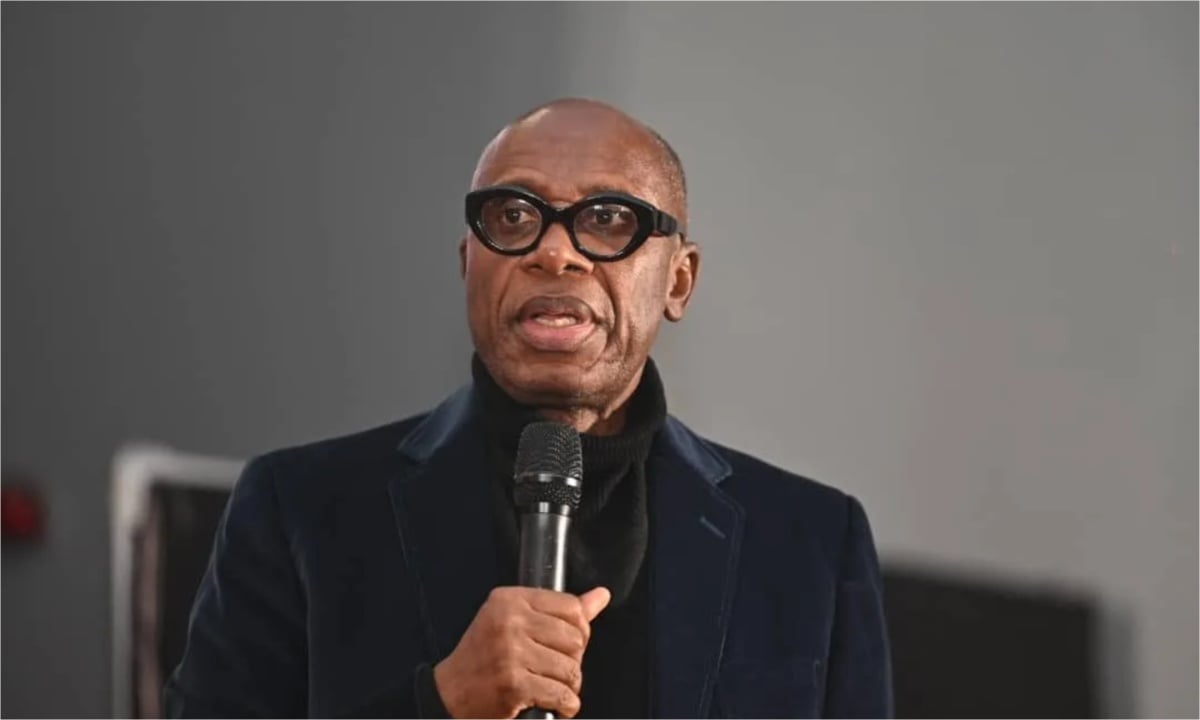
African Democratic Congress (ADC) vice-presidential candidate Rotimi Amaechi has defended Atiku Abubakar’s plan to introduce a production subsidy for locally refined petroleum products, insisting that the proposal is designed to benefit Nigerians rather than wealthy refinery owners.
Amaechi made the remarks while defending the party’s economic proposals ahead of the 2027 presidential election.
He said the proposed arrangement would differ from the former petrol subsidy system, which he argued encouraged fuel importation and created opportunities for profiteering by intermediaries.
Under the proposal, the government would supply crude oil to domestic refineries at a price below the prevailing international market rate. The difference would represent the production subsidy, with participating refiners expected to pass the benefit on to consumers through lower petrol prices.
Amaechi said the plan would cover the Dangote Refinery and smaller modular refineries, rather than concentrating support on one major operator.
He argued that encouraging domestic refining would reduce dependence on imported petroleum products, create jobs and help lower the cost of transportation, food and other essential goods.
The former Rivers State governor said an Atiku administration would also seek amendments to the Petroleum Industry Act if existing provisions prevented the proposed arrangement from being implemented legally.
He maintained that any subsidy programme should be structured to support domestic production rather than revive the previous system of subsidising imported fuel.
Atiku has repeatedly defended his proposal to restore targeted subsidy support, arguing that the government should focus on reducing energy costs and improving Nigerians’ purchasing power.
However, the proposal has attracted criticism from the ruling All Progressives Congress (APC), which has questioned how the programme would be funded and how the government would ensure that lower crude prices translated into cheaper petrol at filling stations.
Critics have also raised concerns about the potential fiscal cost and the risk that refinery owners could retain the benefits without adequately reducing retail prices.
Amaechi’s defence comes amid continuing public debate over the removal of petrol subsidy by President Bola Tinubu’s administration in May 2023. The Federal Government has argued that the policy reduced pressure on public finances, while opponents say it has contributed to higher transportation and living costs.
The ADC has said its proposed model would include safeguards to ensure that subsidised crude is processed locally and that the resulting petroleum products are supplied to the Nigerian market at prices reflecting the support received.
The details of the proposed programme, including its total cost, eligibility requirements and method of verifying price reductions, remain important questions as the 2027 election approaches.
Sponsored

Related stories
 Politics
2027: Wike Threatens to Block Amaechi’s Campaign in Rivers Over Tinubu Insults
Wike warned Amaechi could face campaign difficulties in Rivers if he continues attacking Tinubu’s supporters.
 Politics
2027: Tinubu Kicks Off Campaign in Kaduna October 24
Yari says Tinubu will officially launch his 2027 re-election campaign in Kaduna on October 24.
Politics
Only a Madman Will Vote for Tinubu in 2027 — Amaechi
Rotimi Amaechi criticises Tinubu’s economic policies, saying rising living costs and petrol prices should influence voters’ decisions in 2027.
 Politics
2027: No Opposition Candidate Is Sure of Contesting Yet — Galadima
Buba Galadima says opposition candidates face uncertainty and alleged pressure ahead of Nigeria’s 2027 general elections.
Comments (0)
Leave a comment
All comments are moderated before publishing. Your email is never published.