
Nigerian States’ Revenues Rise 93%, but Education Spending Drops — World Bank
State revenues surged between 2023 and 2025, but education received a smaller share of spending as infrastructure investment expanded.
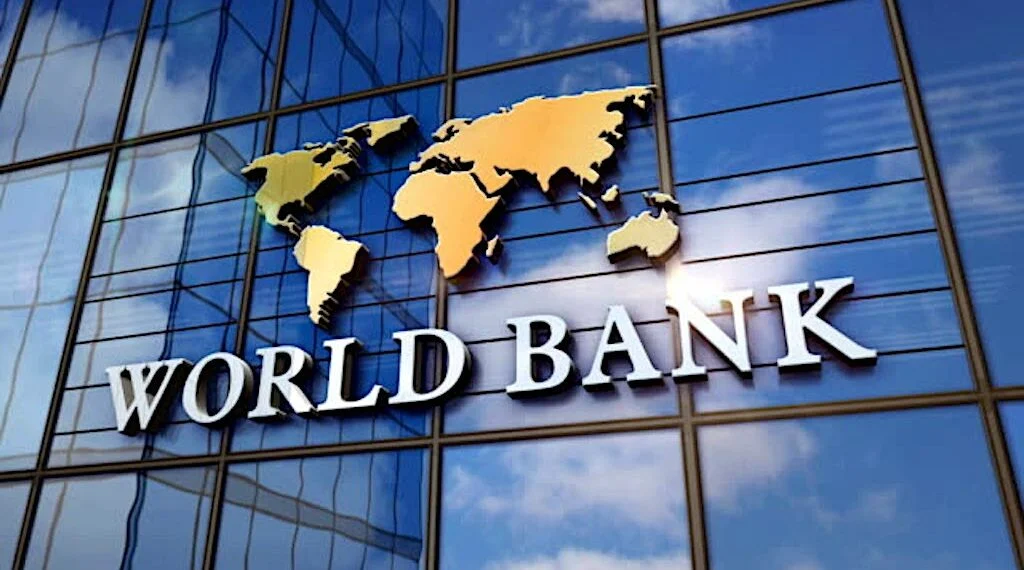
Nigeria’s state governments recorded a 93 per cent increase in aggregate revenues in real terms between 2023 and 2025, but education’s share of total expenditure declined, according to the World Bank.
The findings were contained in the bank’s October 2026 Nigeria Development Update, titled Beyond the Federal Purse: How Higher Revenues Reshaped State Priorities, released on Thursday.
The report said state revenues rose by about 93 per cent in real terms during the period, while total expenditure increased by approximately 92 per cent.
The growth in revenue was attributed partly to exchange-rate reforms, the removal of the petrol subsidy, improved revenue administration and higher collections from Value Added Tax. States also benefited from increased federal allocations, refunds, intervention funds and the settlement of outstanding federal obligations.
Despite the additional resources, the World Bank observed that state governments directed a growing proportion of their budgets towards economic infrastructure rather than human-capital development.
The share of capital expenditure in total state spending rose from 46 per cent to 61 per cent between 2023 and 2025. Transport infrastructure recorded the largest increase, while spending on housing, agriculture and other growth-related investments also expanded.
However, education’s share of total state expenditure fell from 14.9 per cent in 2021 to 12.1 per cent in 2025.
The report clarified that spending on education, healthcare and social protection increased in absolute terms, but grew more slowly than expenditure on economic infrastructure.
Health spending remained broadly stable at about seven per cent of total expenditure, while social protection’s share increased from 1.4 per cent to 4.4 per cent over the same period.
World Bank Country Director for Nigeria, Mathew Verghis, said the increase in state revenues presented an opportunity to improve infrastructure, education, healthcare and water services.
He stressed that stronger spending efficiency, accountability and service delivery would be necessary to ensure that additional public resources translated into better living conditions for Nigerians.
The bank also highlighted improvements in fiscal reporting and transparency among states, while urging governments to strengthen internally generated revenue and improve the quality of public spending.
Nigeria’s economy grew by 4.2 per cent in the first half of 2026, compared with 3.9 per cent in the corresponding period of 2025, according to the report.
The World Bank projected average economic growth of 4.4 per cent between 2026 and 2028, while emphasising that sustained reforms and better public service delivery would be essential to creating jobs and reducing poverty.
Sponsored
Related stories
 News
News
People Tinubu Helped Before Abandoned Him in 2023 — Yilwatda
APC chairman Nentawe Yilwatda says several politicians previously supported by Tinubu withdrew their backing when he sought the presidency in 2023.
 News
News
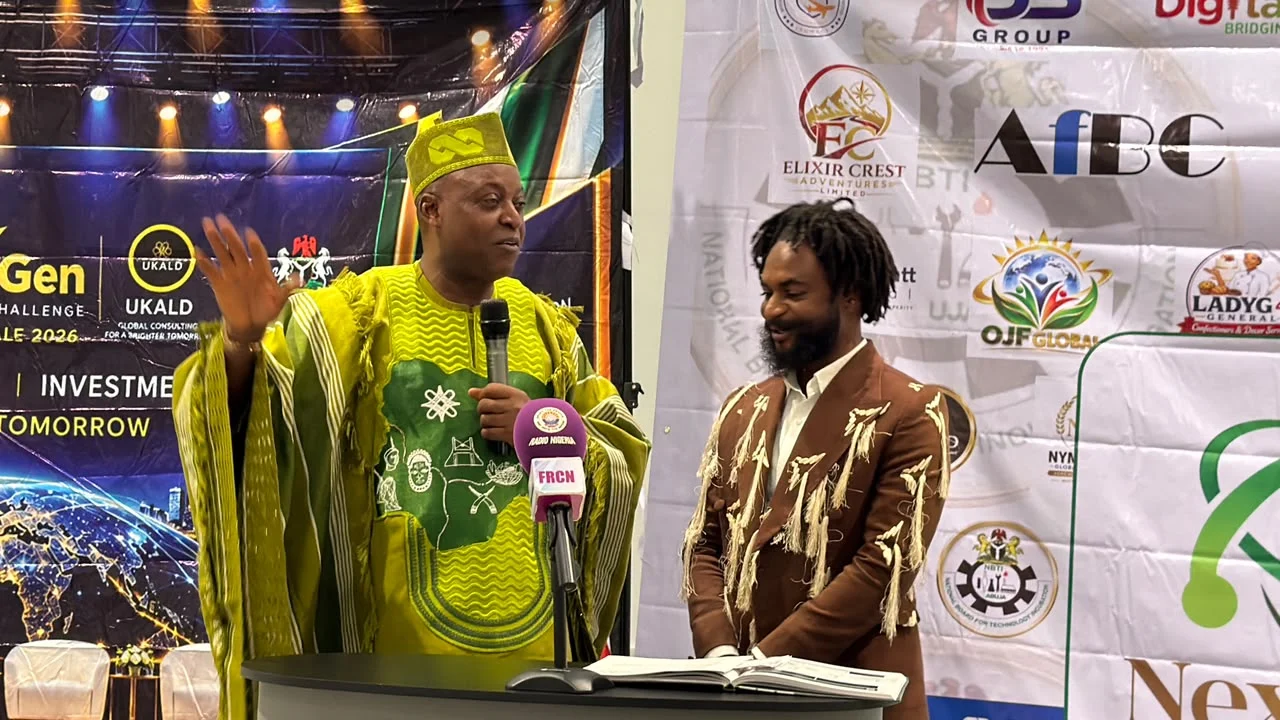
NBTI Showcases 298 Nigerian Innovators to Global Investors in London
Nigeria has presented 298 innovators to international investors in London, seeking funding, partnerships and access to global markets.
 News
News
How Losing 2023 Election Led Me to Pastoral Work in US — Banky W
Banky W says his 2023 election defeat left him heartbroken but prompted him to seek God’s direction and embrace pastoral ministry.
 News
News
Power Minister Sets Up Panel to Stop Grid Attacks
Joseph Tegbe has inaugurated a committee bringing security agencies and power sector stakeholders together to tackle vandalism of electricity infrastructure.
Comments (0)
Leave a comment
All comments are moderated before publishing. Your email is never published.