
Why Nigeria Must Urgently Reform Healthcare System to Avert Workforce Crisis
Health experts say Nigeria needs urgent reforms to stop its healthcare workforce from deteriorating further, warning that poor pay, weak working conditions and rising migration are draining the system. They argue that without swift action, the country risks a deeper crisis in service delivery and health security

Nigeria must urgently overhaul its healthcare system if it wants to avert a worsening workforce crisis, according to experts warning that the country’s health security architecture is under growing strain. The concern is that migration, low morale and weak retention are combining to hollow out the system just as demand for care continues to rise.
A key part of the problem is the steady outflow of health workers to better-paying countries, often described as the “japa” trend. Recent reporting shows that thousands of doctors, nurses, pharmacists and laboratory scientists have left in the past two years, deepening the shortage in both urban and rural facilities.
The scale of the gap is already visible in primary healthcare, which remains the first point of contact for most Nigerians. One government-backed assessment cited a shortfall of 122,696 primary healthcare workers across 26 states, with some regions facing especially severe staffing deficits.
Experts say Nigeria cannot solve the crisis with recruitment alone. The recommended response includes better pay, safer and more supportive working conditions, clearer career progression, and a managed migration framework that allows the country to retain talent while engaging professionals abroad.
The concern is not only about headcount, but also about distribution and system quality. Reports from health sector stakeholders show that many facilities are understaffed, overworked and poorly equipped, leaving patients to wait longer or travel farther for basic care.[guardian]
This workforce drain has wider consequences for maternal care, child health, emergency response and the continuity of treatment for chronic illnesses. When hospitals and clinics are short-staffed, service quality falls, burnout rises and patients lose confidence in public health facilities.
There is also a governance dimension to the crisis. Analysts argue that Nigeria has spent years training health professionals without building enough incentive structures to keep them in the country, while weak management systems make it harder to deploy staff efficiently or anticipate who is likely to leave next.
Some reform efforts are already under way, including increased recruitment and digital workforce management initiatives designed to improve tracking, planning and retention. But experts say these steps will only work if they are matched by real improvements in pay, infrastructure and working conditions.
The warning is simple: without urgent reform, Nigeria risks moving from a staffing shortage to a full-blown workforce collapse. For now, the debate is no longer about whether the crisis exists, but whether the government can respond fast enough to prevent further damage.
Sponsored

Related stories
 Health
Diri Orders Free Quarterly Health Checks for All Bayelsa Residents at Secondary Facilities
Governor Douye Diri has directed Bayelsa's Ministry of Health to begin free quarterly medical check-ups across all eight local government areas, aimed at helping residents who cannot afford routine screening and promoting early detection of diseases.
 Health
‘Priceless Gift of Sight’ Reaches 400,000 Beneficiaries
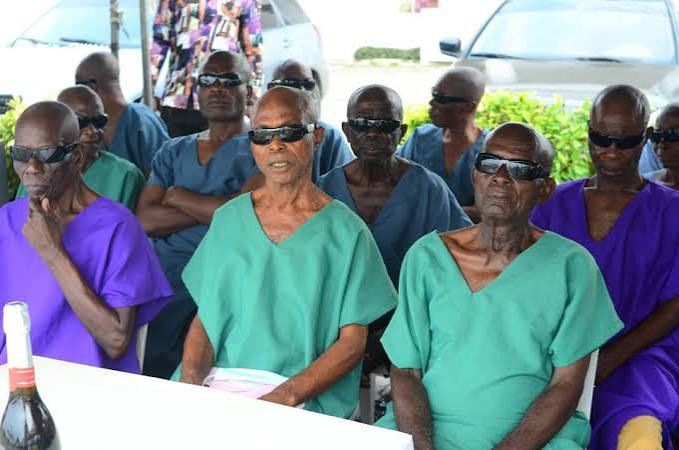
FCMB and the Tulsi Chanrai Foundation say their 15-year eye care partnership has reached over 400,000 Nigerians, as a World Sight Day roundtable in Abuja pushes for private-sector funding to sustain and expand care.
 Health
FUNAAB Launches Africa’s First AI Disease Surveillance System
Researchers at the Federal University of Agriculture, Abeokuta, have developed IDS-Master, a groundbreaking AI-powered surveillance system that detects infectious disease outbreaks in real time by analysing reports from community leaders, health agents, and ordinary residents. Described as Africa's first fully AI-driven event-based surveillance platform, the innovation promises to bridge critical gaps in outbreak detection across underserved rural communities where delays in reporting can cost l
 Health
NAFDAC Seeks Global Partners for Local Vaccine Production
The Director-General of the National Agency for Food and Drug Administration and Control (NAFDAC), Prof. Mojisola Adeyeye, has called on international partners to support the establishment of vaccine manufacturing facilities in Nigeria, saying local production is the missing link in the agency’s push to attain World Health Organisation Maturity Level 4 for vaccine lot release. She spoke at the 8th Nigeria Pharma Manufacturers’ Expo in Lagos, where she commended President Bola Tinubu’s Executive
Comments (0)
Leave a comment
All comments are moderated before publishing. Your email is never published.