
Katsina Health Insurance Enrolment Hits 583,460 Beneficiaries
Katsina State’s health insurance enrolment has risen from 355,000 beneficiaries in 2023 to 583,460 in 2026, while Governor Dikko Radda has made coverage compulsory for participants in government employment programmes.
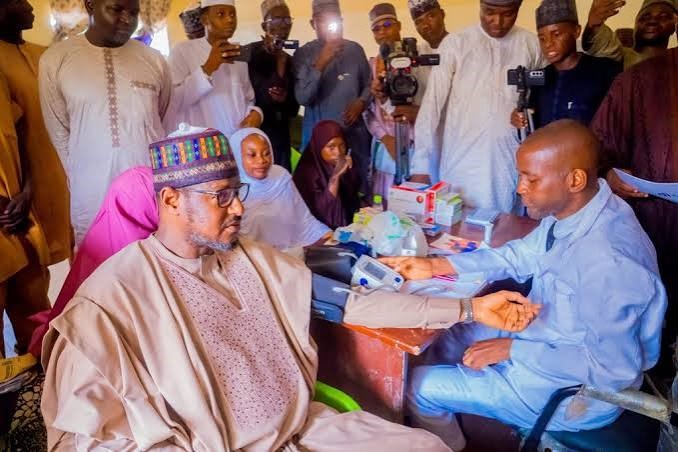
The Katsina State Government has announced that enrolment under its health insurance scheme has risen to 583,460 beneficiaries, representing a 64 per cent increase within three years.
Governor Dikko Umaru Radda disclosed the figure on Friday while flagging off the enrolment of 184,105 beneficiaries into the Basic Health Care Provision Fund across the state’s 361 political wards. The event was held at the General Hospital in Katsina. [pmnewsnigeria]
The governor said the growth in enrolment reflected the state government’s effort to expand access to affordable healthcare, particularly for poor and vulnerable residents. He said the state would continue to strengthen health insurance as a way of reducing the burden of medical bills on households.
Radda also announced that enrolment in the Katsina State Health Insurance Scheme would become compulsory for participants in all government employment programmes. He said an Executive Memorandum would be issued immediately to ensure compliance with the new policy.
The policy means that beneficiaries of future state-sponsored employment initiatives may be required to register under the health insurance scheme before accessing the programmes. Government officials believe the arrangement will help expand health coverage among unemployed and low-income residents who may otherwise remain outside formal insurance systems.
The governor said about 98 per cent of state and local government employees had already been enrolled in the scheme. The government has also provided free health insurance for retirees, members of the Hisbah Corps, members of the Katsina State Community Watch Corps and persons with disabilities.
The inclusion of these categories is intended to protect groups that may have difficulty paying regular insurance contributions. Retirees may depend on fixed incomes, while persons with disabilities often face additional health and living expenses. Offering subsidised or free coverage can help them access treatment without postponing care because of cost.
The new BHCPF enrolment is expected to extend that protection to more residents, particularly those in rural areas. The 184,105 beneficiaries are spread across all 361 political wards, giving the programme a broad geographical reach. The Basic Health Care Provision Fund is designed to support essential services at the primary healthcare level, including treatment for common illnesses, maternal and child healthcare, immunisation and disease prevention.
The Director-General of the Katsina State Contributory Health Scheme, Mohammed Safana, said the agency had enrolled more than half a million residents as of July 2026. He also provided details of healthcare services financed through the scheme over the previous year.
According to Safana, the scheme supported treatment for 205,693 cases of severe malaria, 142,293 hypertension cases and 83,787 diabetes cases. It also financed 17,907 hospital bed days. The figures show that the scheme is supporting both infectious disease treatment and long-term management of non-communicable diseases.
Malaria remains one of the most common health problems in Nigeria, while hypertension and diabetes require regular medical checks, medication and follow-up care. Without insurance, many patients stop treatment when they run out of money, increasing the risk of complications and expensive hospital admissions.
The reported rise in enrolment is significant, but it must be considered alongside the size of Katsina’s population. Many residents, particularly those in the informal sector, are still likely to depend on direct payments for medical care. Extending insurance coverage to traders, farmers, artisans and other self-employed workers will therefore remain a major challenge.
The state will also need to ensure that enrolment leads to reliable access to quality services. Beneficiaries must be able to visit accredited facilities, obtain essential medicines and receive treatment without unnecessary delays. If hospitals lack staff, drugs or equipment, residents may lose confidence in the scheme even when they are officially registered.
Effective public awareness will be important as well. Many residents may not know how to use their insurance cards, what services are covered or which facilities accept the scheme. Clear communication can prevent confusion and help beneficiaries use the programme properly.
The government will also need strong monitoring systems to prevent fraud, protect enrollee records and ensure that healthcare providers are reimbursed on time. Delayed payments to facilities can affect the availability of medicines and services.
Katsina’s progress from 355,000 enrollees in 2023 to 583,460 in 2026 represents a major expansion of coverage. The compulsory enrolment policy for government employment programmes could accelerate that growth.
The success of the initiative, however, will ultimately be measured by whether residents can receive timely and affordable treatment when they need it. If Katsina combines wider enrolment with dependable facilities, adequate financing and quality monitoring, the scheme could move the state closer to universal health coverage.
Sponsored

Related stories
 Health
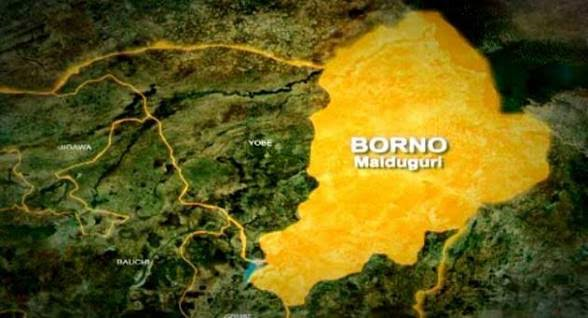
Borno Hires 2,000 Health Workers, Still Faces Staff Shortage
Borno State has recruited nearly 2,000 doctors, nurses and other health professionals in two years, but the head of its contributory health agency says manpower gaps persist as demand grows under the state health insurance scheme.
 Health
Lassa Fever Kills 268 in Nigeria as Cases Hit 1,138
Nigeria has recorded 1,138 confirmed Lassa fever cases and 268 deaths across 24 states in 2026, with the case fatality rate rising to 23.6 per cent—significantly higher than the 18.6 per cent recorded during the same period in 2025. The NCDC has identified five states accounting for 88 per cent of all confirmed cases, as it intensifies preparedness efforts ahead of the peak transmission season.
 Health
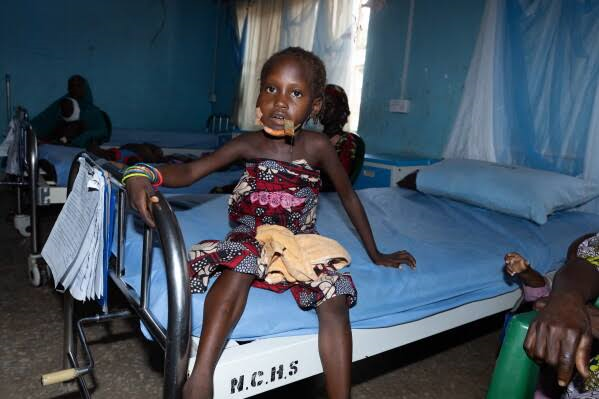
MSF Calls for Routine Noma Surveillance in Nigeria
Doctors Without Borders says noma, a fast-moving and often fatal facial infection linked to malnutrition and poverty, remains largely missing from Nigeria's routine child health programmes despite its 2023 recognition as a neglected tropical disease.
 Health
Oyo Rejects Diphtheria Outbreak Claims, Accuses APC
The Oyo State Government has dismissed claims by the Senator Sharafadeen Alli Campaign Organisation that diphtheria has affected 16 local government areas, describing the allegation as false and politically motivated. Commissioner for Health Dr. Oluwaserimi Ajetunmobi confirmed that while suspected cases have been recorded in 10 LGAs, none have been confirmed, and accused the APC campaign group of distorting immunisation data to score political points.
Comments (0)
Leave a comment
All comments are moderated before publishing. Your email is never published.