
Sick Health Centres Keep Rural Dwellers in Agony as Nigeria’s PHCs Struggle
Nigeria’s primary healthcare centres are facing poor infrastructure, staff shortages, inadequate equipment and hidden charges, leaving rural residents to travel long distances or depend on unqualified providers for basic medical care
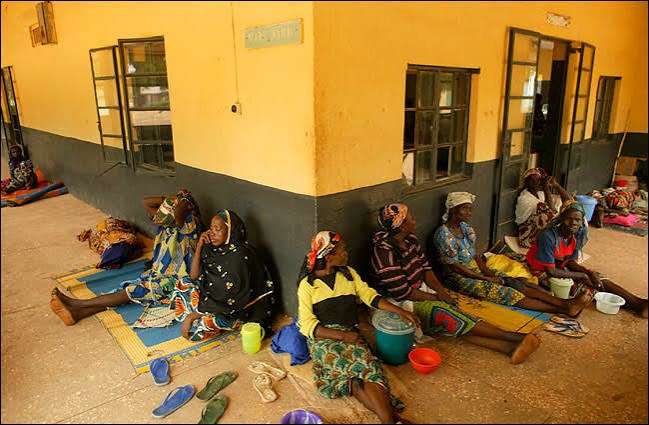
Primary healthcare centres across Nigeria are struggling to provide the basic services they were created to deliver, leaving rural residents with limited access to treatment, medicines and emergency care. A survey of facilities and communities in several states found that many centres are poorly equipped, understaffed and unable to meet the needs of the populations they serve.
Primary healthcare centres are expected to form the foundation of Nigeria’s health system. They are designed to provide accessible preventive, promotive and basic curative services at community level, including immunisation, antenatal care, treatment of common illnesses, family planning and health education. However, many rural facilities are reportedly operating in conditions that make effective service delivery difficult.
The problems cut across several states, including Imo, Bayelsa, Anambra, Edo and Ogun. In many communities, residents face long distances, poor roads and limited transportation before they can reach a health facility. During the rainy season, the journey can become even more difficult, delaying patients who need urgent attention.
Poor infrastructure is one of the most visible challenges. Some centres operate from dilapidated buildings with damaged roofs, inadequate ventilation, limited waiting areas and poor sanitation. Others lack reliable water supply and electricity, making it difficult for health workers to provide safe and consistent care.
The absence of dependable power also affects the storage of vaccines, operation of medical equipment and provision of care at night. Where electricity is unavailable or generators cannot be fuelled, health workers may be forced to refer patients to larger hospitals, even when the condition could have been treated at the primary healthcare level.
Staffing is another major gap. Many rural centres do not have enough trained doctors, nurses, midwives, laboratory personnel or community health workers. In some facilities, a small number of workers are expected to handle large patient populations, work long hours and provide services across several areas of care.
The shortage is worsened by the fact that many qualified health professionals prefer urban postings, where living conditions, salaries, accommodation and career opportunities are generally better. Rural facilities are often left with minimally trained assistants or workers who lack access to regular professional development and specialist support
The situation affects pregnant women and children especially. Nursing mothers may travel several kilometres to seek antenatal services, vaccination or treatment for childhood illnesses. Some are forced to pay for transport and private care, while others delay treatment because they cannot afford the cost. Delays can increase the risk of complications during pregnancy, childbirth and early childhood.
Although primary healthcare is often presented as free or affordable, residents interviewed for the report said they were sometimes charged for treatment and vaccination. Such payments can discourage poor households from visiting health centres and push them toward self-medication, traditional remedies or unlicensed practitioners.
Research has shown that rural Nigerians face multiple barriers to healthcare access, including inadequate facilities, a shortage of medical personnel, poor equipment, limited drug supplies and high costs. Older people are particularly affected because many live far from health centres and may have difficulty travelling long distances.
The failure of PHCs also increases pressure on secondary and tertiary hospitals. Patients who should have been treated at community level are referred to general or teaching hospitals, contributing to overcrowding and longer waiting times. By the time some patients arrive at larger facilities, their conditions may have deteriorated because of delays in obtaining care.
The problems also weaken disease prevention. Primary healthcare centres are critical for immunisation, maternal health, malaria control, disease surveillance and early detection of outbreaks. When facilities lack staff, equipment or medicines, they cannot perform those functions effectively.
Experts say fixing the problem will require more than constructing new buildings. Existing facilities need regular maintenance, reliable water and electricity, essential drugs, functional equipment and adequate staffing. Rural workers also need incentives such as accommodation, hardship allowances, training opportunities and clear career paths.
Improved funding and accountability are equally important. Government must ensure that money allocated to primary healthcare reaches facilities and is used for its intended purpose. Communities should also be involved in monitoring services and reporting shortages.
Technology could provide additional support through telemedicine, digital patient records and remote consultations, but such solutions will only work where facilities have electricity, internet access and trained personnel.
For rural residents, the need is urgent. A primary healthcare centre should be the first place a family turns to for basic medical care, not a building that offers little beyond a signboard. Unless governments address the weaknesses in infrastructure, staffing and funding, Nigeria’s rural communities will continue to suffer the consequences of sick health centres.
Sponsored

Related stories
 Health
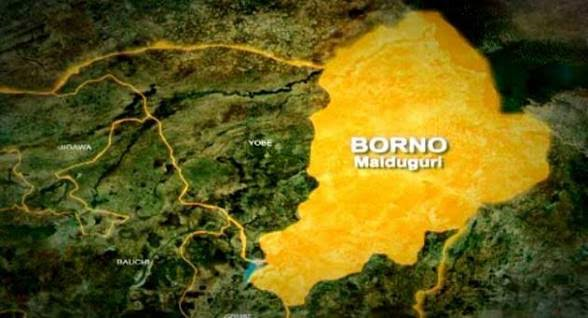
Borno Hires 2,000 Health Workers, Still Faces Staff Shortage
Borno State has recruited nearly 2,000 doctors, nurses and other health professionals in two years, but the head of its contributory health agency says manpower gaps persist as demand grows under the state health insurance scheme.
 Health
Lassa Fever Kills 268 in Nigeria as Cases Hit 1,138
Nigeria has recorded 1,138 confirmed Lassa fever cases and 268 deaths across 24 states in 2026, with the case fatality rate rising to 23.6 per cent—significantly higher than the 18.6 per cent recorded during the same period in 2025. The NCDC has identified five states accounting for 88 per cent of all confirmed cases, as it intensifies preparedness efforts ahead of the peak transmission season.
 Health
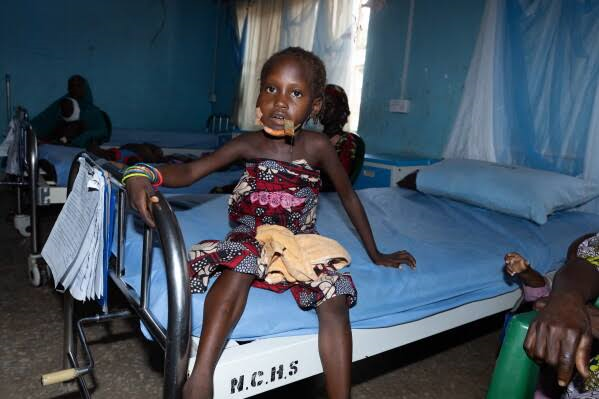
MSF Calls for Routine Noma Surveillance in Nigeria
Doctors Without Borders says noma, a fast-moving and often fatal facial infection linked to malnutrition and poverty, remains largely missing from Nigeria's routine child health programmes despite its 2023 recognition as a neglected tropical disease.
 Health
Oyo Rejects Diphtheria Outbreak Claims, Accuses APC
The Oyo State Government has dismissed claims by the Senator Sharafadeen Alli Campaign Organisation that diphtheria has affected 16 local government areas, describing the allegation as false and politically motivated. Commissioner for Health Dr. Oluwaserimi Ajetunmobi confirmed that while suspected cases have been recorded in 10 LGAs, none have been confirmed, and accused the APC campaign group of distorting immunisation data to score political points.
Comments (0)
Leave a comment
All comments are moderated before publishing. Your email is never published.