
Nigerian Army CMD: Medical Corps Is Army's 'Eye' on Health, Cleanliness in Barracks
Brig-Gen. Godwin Ogoh, CMD of 44 Nigerian Army Reference Hospital Kaduna, says the Medical Corps serves as the Army's watchdog on hygiene and preventive healthcare, as the hospital hosts a Barracks Health Committee sensitisation programme.
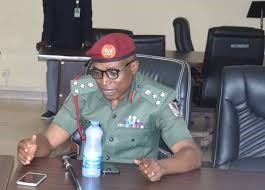
The Chief Medical Director of the 44 Nigerian Army Reference Hospital, Kaduna (NARHK), Brig-Gen. Godwin Ogoh, has described the Medical Corps as the "eye" of the Nigerian Army when it comes to health and cleanliness, stressing that hygiene and preventive care remain central to the wellbeing of military personnel and their families across the country's barracks communities.
Ogoh made the remarks at a Barracks Health Committee (BHC) programme organised by the hospital in Kaduna, themed "Empowering the Barracks Community to Respond Positively to Health and Cleanliness." He was represented at the event by Brig-Gen. D.C. Ibe.
The programme was designed to promote preventive healthcare and healthy living among residents of the barracks community, an initiative that reflects the Nigerian Army's continued emphasis on tackling health challenges before they escalate into wider outbreaks or medical emergencies within its residential formations.
Speaking at the event, Ogoh reiterated the age-old public health principle that prevention remains better than cure, stressing the importance of maintaining a clean environment as a first line of defence against disease. He explained that proper environmental and personal hygiene practices can help prevent a range of respiratory tract infections, including cough, tuberculosis, and pneumonia, along with other communicable diseases that tend to spread more easily in densely populated residential settings such as military barracks.
He also highlighted those diseases linked directly to poor sanitation, noting that conditions such as gastroenteritis and cholera could be effectively prevented through proper sanitation practices, access to safe drinking water, and consistent personal hygiene. Speaking directly to the responsibility of the Medical Corps within the wider Army structure, Ogoh said the corps has a duty to lead by example, not just internally, but across the Nigerian Army as a whole, by consistently demonstrating the value of cleanliness and healthy living in day-to-day military life.
He said the Barracks Health Committee programme was specifically designed to underscore the importance of cleanliness and preventive healthcare in safeguarding the wellbeing of the wider barracks community, and urged participants at the event to internalise these lessons and make cleanliness and preventive healthcare part of their daily routines going forward.
Also speaking at the event, Dr Ayamkop Attah, who delivered a health talk to participants, placed further emphasis on the role personal and environmental hygiene plays in maintaining good overall health. Attah urged members of the barracks community to uphold high standards of personal hygiene while also ensuring that their immediate surroundings are kept clean and well maintained. He specifically advised parents within the community to take an active role in guiding their children and wards on the importance of personal hygiene and environmental cleanliness, noting that these habits are often best instilled from an early age.
As part of the programme, awards were presented to a number of "barracks boys" who were recognised for distinguishing themselves through consistent commitment to cleanliness and good hygiene practices within their communities, an initiative likely intended to encourage broader participation in similar hygiene-focused behaviour going forward.
The event ultimately closed with a renewed call for members of the barracks community to fully embrace cleanliness and preventive healthcare as part of everyday military family life.
Preventive healthcare initiatives of this nature are increasingly common across Nigerian military formations, as health authorities continue to stress the importance of hygiene education in reducing the burden of communicable diseases in residential and institutional settings.
Public health experts generally note that proactive sensitisation programmes, particularly those combining health talks with community recognition efforts, tend to be more effective at instilling lasting behavioural change than purely reactive medical interventions, making initiatives like the NARHK's Barracks Health Committee programme a useful complement to routine medical care within military communities.
Sponsored
Related stories
 Health
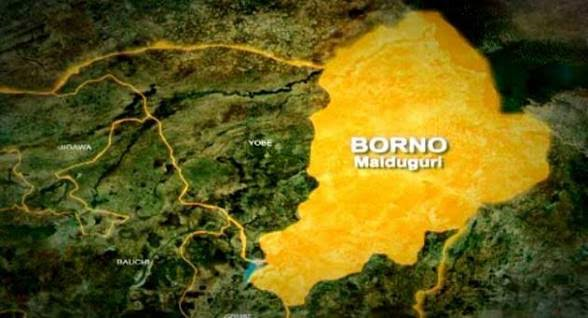
Borno Hires 2,000 Health Workers, Still Faces Staff Shortage
Borno State has recruited nearly 2,000 doctors, nurses and other health professionals in two years, but the head of its contributory health agency says manpower gaps persist as demand grows under the state health insurance scheme.
 Health
Lassa Fever Kills 268 in Nigeria as Cases Hit 1,138
Nigeria has recorded 1,138 confirmed Lassa fever cases and 268 deaths across 24 states in 2026, with the case fatality rate rising to 23.6 per cent—significantly higher than the 18.6 per cent recorded during the same period in 2025. The NCDC has identified five states accounting for 88 per cent of all confirmed cases, as it intensifies preparedness efforts ahead of the peak transmission season.
 Health
MSF Calls for Routine Noma Surveillance in Nigeria
Doctors Without Borders says noma, a fast-moving and often fatal facial infection linked to malnutrition and poverty, remains largely missing from Nigeria's routine child health programmes despite its 2023 recognition as a neglected tropical disease.
 Health
Oyo Rejects Diphtheria Outbreak Claims, Accuses APC
The Oyo State Government has dismissed claims by the Senator Sharafadeen Alli Campaign Organisation that diphtheria has affected 16 local government areas, describing the allegation as false and politically motivated. Commissioner for Health Dr. Oluwaserimi Ajetunmobi confirmed that while suspected cases have been recorded in 10 LGAs, none have been confirmed, and accused the APC campaign group of distorting immunisation data to score political points.
Comments (0)
Leave a comment
All comments are moderated before publishing. Your email is never published.