
Cholera Claims 16 Lives in Bauchi as Government Seeks Support
Bauchi State has appealed to development partners and donor agencies for financial, technical and logistical support after a cholera outbreak recorded 398 suspected cases and 16 deaths across 13 local government areas.
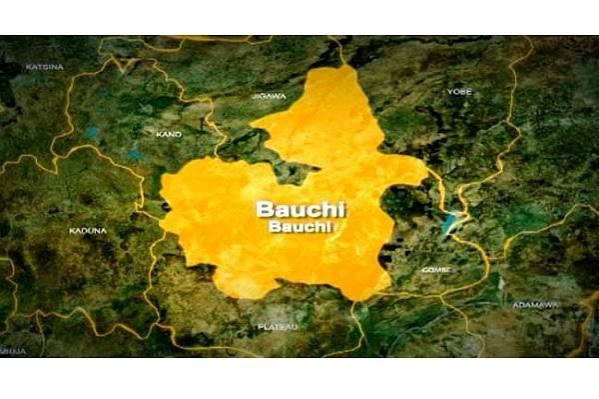
The Bauchi State Government has appealed to development partners, donor agencies and other stakeholders for urgent support as it responds to a cholera outbreak that has claimed 16 lives and affected 13 local government areas.
The state has recorded 398 suspected cholera cases as of July 31, 2026, with the deaths representing a case fatality rate of four per cent. The figures were contained in a situation analysis released by the Bauchi State Ministry of Health and Social Welfare after the state officially declared the outbreak.
The outbreak declaration followed an increase in cases of acute watery diarrhoea and laboratory confirmation of cholera transmission. Six polymerase chain reaction-confirmed cases of *Vibrio cholerae* O1 Ogawa have so far been identified, providing evidence that the disease is actively circulating in the state.
Toro Local Government Area is the worst affected, with 231 suspected cases. Alkaleri and Kirfi have recorded 46 cases each, while Ganjuwa has reported 21 cases. Bauchi and Tafawa Balewa local government areas have each recorded 14 suspected cases.
The distribution of cases across 13 local government areas has increased the pressure on the state’s health authorities. Rather than dealing with a small, localised cluster, officials are now required to coordinate surveillance, treatment, public education and water and sanitation interventions across a wide geographical area.
The state government’s request for external support is intended to strengthen that response. Officials are seeking financial resources, technical assistance, logistics and other forms of operational support to contain the outbreak and prevent additional deaths. Such assistance may be needed for medicines, oral rehydration supplies, laboratory materials, protective equipment, transportation and emergency staffing.
The appeal also reflects the scale of the public health challenge. Cholera can cause severe diarrhoea and vomiting, leading to rapid dehydration and death if patients do not receive prompt treatment. The disease is commonly transmitted through contaminated water or food, making access to clean water, adequate sanitation and proper hygiene central to outbreak control.
Bauchi’s outbreak response involves several areas of public health activity. These include disease surveillance, laboratory testing, case management, infection prevention and control, risk communication and community engagement. Rapid Response Teams have been deployed to affected local government areas to investigate cases, monitor contacts and support community-level interventions.
The government is also expected to strengthen treatment centres and mobilise essential medical supplies. This will be important in the most affected areas, where health facilities may face sudden increases in patients and where residents may have to travel long distances to obtain care.
Health workers have been urged to maintain a high level of vigilance and report suspected cases quickly. Early detection allows patients to receive treatment sooner and gives surveillance teams a better chance of identifying contacts and preventing further spread.
Residents in affected communities have also been advised to observe strict hygiene measures. These include drinking safe water, washing hands with soap, properly cooking food and seeking immediate medical attention when symptoms such as severe diarrhoea or vomiting occur.
Community education is particularly important because some patients may initially rely on home remedies or delay visiting a health facility. Such delays can increase the risk of death and allow transmission to continue within households and neighbourhoods. Public health officials therefore need to work closely with traditional rulers, religious leaders, schools, markets and community groups.
The outbreak has renewed concerns about water, sanitation and hygiene conditions in parts of northern Nigeria. Poor access to safe water, open defecation, weak waste disposal systems and flooding can create conditions in which cholera spreads rapidly. Emergency treatment can save lives, but long-term prevention requires investment in reliable water systems and sanitation infrastructure.
Bauchi has experienced cholera outbreaks in the past. In 2021, the state worked with the World Health Organisation and other partners to vaccinate more than 700,000 people with oral cholera vaccines while also expanding treatment and community control measures. The earlier experience demonstrated the importance of combining medical response with vaccination, public education and improved hygiene.
The current outbreak therefore requires both immediate and sustained action. While emergency support can help reduce deaths and control transmission, longer-term interventions must address the environmental and social conditions that make communities vulnerable.
For the state government, the priority is to prevent the outbreak from spreading further and reduce the fatality rate. For development partners, the appeal presents an opportunity to support a coordinated response before the crisis becomes more severe.
Bauchi’s request is a reminder that cholera outbreaks are not managed by hospitals alone. They require cooperation among health authorities, water and sanitation agencies, local governments, community leaders, international partners and residents. With rapid assistance and strong coordination, the state can improve treatment, protect vulnerable communities and bring the outbreak under control.
Sponsored

Related stories
 Health
Borno Hires 2,000 Health Workers, Still Faces Staff Shortage
Borno State has recruited nearly 2,000 doctors, nurses and other health professionals in two years, but the head of its contributory health agency says manpower gaps persist as demand grows under the state health insurance scheme.
 Health
Lassa Fever Kills 268 in Nigeria as Cases Hit 1,138
Nigeria has recorded 1,138 confirmed Lassa fever cases and 268 deaths across 24 states in 2026, with the case fatality rate rising to 23.6 per cent—significantly higher than the 18.6 per cent recorded during the same period in 2025. The NCDC has identified five states accounting for 88 per cent of all confirmed cases, as it intensifies preparedness efforts ahead of the peak transmission season.
 Health
MSF Calls for Routine Noma Surveillance in Nigeria
Doctors Without Borders says noma, a fast-moving and often fatal facial infection linked to malnutrition and poverty, remains largely missing from Nigeria's routine child health programmes despite its 2023 recognition as a neglected tropical disease.
 Health
Oyo Rejects Diphtheria Outbreak Claims, Accuses APC
The Oyo State Government has dismissed claims by the Senator Sharafadeen Alli Campaign Organisation that diphtheria has affected 16 local government areas, describing the allegation as false and politically motivated. Commissioner for Health Dr. Oluwaserimi Ajetunmobi confirmed that while suspected cases have been recorded in 10 LGAs, none have been confirmed, and accused the APC campaign group of distorting immunisation data to score political points.
Comments (0)
Leave a comment
All comments are moderated before publishing. Your email is never published.