
West African Deportees Challenge US Third-Country Expulsions to Ghana in Court
West African migrants have sued the US government over its policy of deporting non-Ghanaian nationals to Ghana, arguing that the third-country removals are unlawful and place deportees in vulnerable situations. The case could influence future US immigration policy.
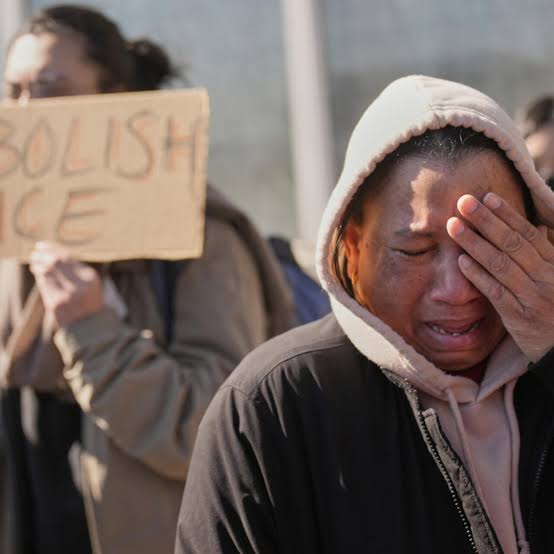
A group of West African migrants has filed a lawsuit challenging the United States government's policy of deporting non-Ghanaian nationals to Ghana, arguing that the third-country expulsions violate their legal rights and expose them to uncertainty and hardship. The case was filed in a US federal court as concerns grow over the legality of the deportation programme.
The plaintiffs, who include nationals from several West African countries, contend that they were removed to Ghana despite having no legal status, family ties or long-term residence there. They argue that the policy places deportees in unfamiliar environments without adequate legal safeguards or assurances regarding their welfare.
According to court documents, the migrants are seeking an injunction to halt further third-country deportations while the legality of the programme is determined. Their legal representatives maintain that the policy breaches US immigration procedures and international obligations relating to the treatment of migrants and asylum seekers.
The US government has defended its immigration enforcement measures as part of broader efforts to strengthen border security and remove individuals without legal authorisation to remain in the country. However, rights groups have criticised the growing use of third-country deportations, warning that such policies may leave migrants vulnerable and separated from established support networks.
The outcome of the lawsuit could have wider implications for US immigration policy and future agreements involving third-country deportations, particularly for migrants from Africa and other regions facing similar removal arrangements.
Related stories
 News
News
Five African Youngsters Emerge as Leading Contenders for FIFA Young Player Award
Five African youngsters, led by Morocco's Ismael Saibari, have emerged as leading contenders for the FIFA Young Player Award after outstanding performances at the 2026 World Cup, highlighting the continent's growing impact on the global stage.
 News
News
Elon Musk Claims Deaths in Africa Declined After US Foreign Aid Cuts
Elon Musk has claimed that deaths in Africa declined after the United States reduced foreign aid spending, disputing criticism that the funding cuts caused a humanitarian crisis. His remarks have added to the ongoing debate over the impact of recent changes to US aid policy.
 News
News
Amotekun Rescues Kidnap Victim, Arrests Father, Three Sons in Ondo
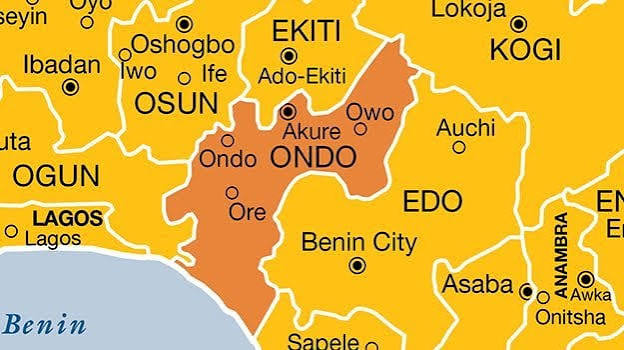
Amotekun operatives in Ondo have rescued a kidnapped victim and arrested a father with his three sons over alleged involvement in a kidnapping syndicate. Authorities also recovered most of the ransom paid and vowed to sustain operations against criminal groups.
 News
News
Afenifere Endorses Operation Kósàyè, Praises Lagos-Ogun Anti-Kidnap Offensive
Afenifere has applauded the Nigeria Police Force's Operation Kósàyè, describing the Lagos-Ogun anti-kidnap operation as a major success after the rescue of victims, arrest of suspects and clearance of criminal hideouts.
Comments (0)
Leave a comment
All comments are moderated before publishing. Your email is never published.