
US Expands Sanctions Targeting Iran Oil, Cryptocurrency Networks
The United States expanded sanctions on Iran’s oil and cryptocurrency sectors, freezing $130 million in digital assets while targeting dozens of individuals, companies and vessels linked to Tehran’s revenue networks.
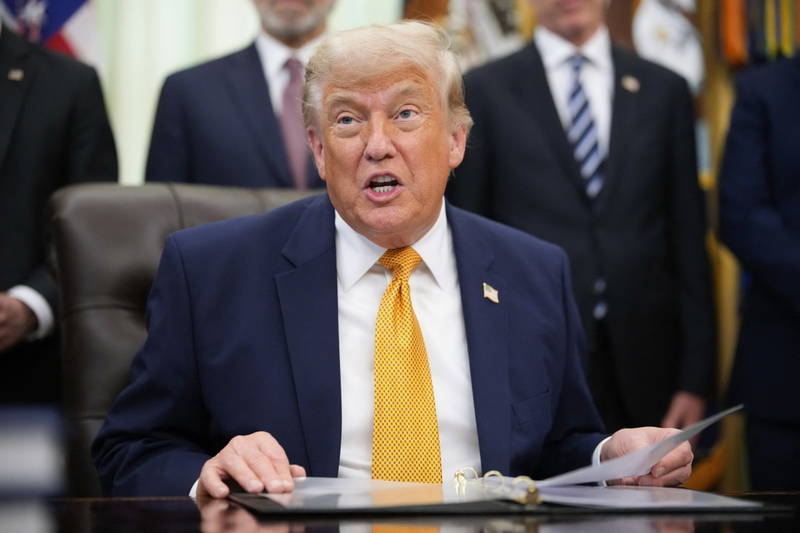
The United States has expanded its sanctions against Iran, targeting the country’s oil exports and cryptocurrency operations as Washington intensifies economic pressure amid the ongoing Middle East conflict.
In a statement issued on Tuesday, the US Treasury Department announced fresh sanctions against individuals, companies and vessels allegedly linked to Iran’s oil trade. The latest measures focus on the network of petroleum shipping magnate Mohammad Hossein Shamkhani, which US authorities describe as a major channel for generating revenue for the Iranian government.
US Treasury Secretary Scott Bessent also disclosed that the department had frozen more than $130 million held in digital wallets allegedly connected to Iran’s Central Bank. According to him, the action reflects Washington’s determination to prevent Tehran from accessing financial resources through cryptocurrency channels.
“This action is part of Treasury’s ongoing efforts to ramp up economic pressure on the Iranian regime after it resumed destabilising attacks in the Strait of Hormuz,” the Treasury Department said.
The announcement followed a fourth consecutive day of US military strikes against Iran and the reimposition of a naval blockade. The International Maritime Organization also reported that Iran had carried out attacks on vessels operating in the Strait of Hormuz, one of the world’s busiest energy shipping routes.
Iran began restricting movement through the strategic waterway after US-Israeli attacks in February. Washington subsequently imposed a blockade on Iranian ports from mid-April to mid-June before renewing pressure with the latest measures.
According to the Treasury Department, more than 50 individuals, companies and vessels have been sanctioned in the latest round for allegedly facilitating Iran’s oil exports and helping authorities generate illicit revenue. The department added that more than 200 individuals, entities and vessels connected to the Shamkhani network have now been designated under US sanctions.
Mohammad Hossein Shamkhani is the son of former senior Iranian security adviser Ali Shamkhani. Both men were reportedly killed during the opening day of US-Israeli attacks on February 28.
Bessent said freezing cryptocurrency assets linked to Iran’s Central Bank demonstrated the US commitment to disrupting Tehran’s financial networks.
“We will continue to aggressively follow the money and deny the Iranian regime access to the proceeds of its illicit revenue schemes,” he said.
Cryptocurrency has increasingly become an alternative financial channel in Iran, where years of US and European sanctions have severely limited access to the global banking system. Analysts say digital assets have been widely used by businesses and individuals to bypass international financial restrictions while providing protection against inflation and economic instability.
Related stories
 News
News
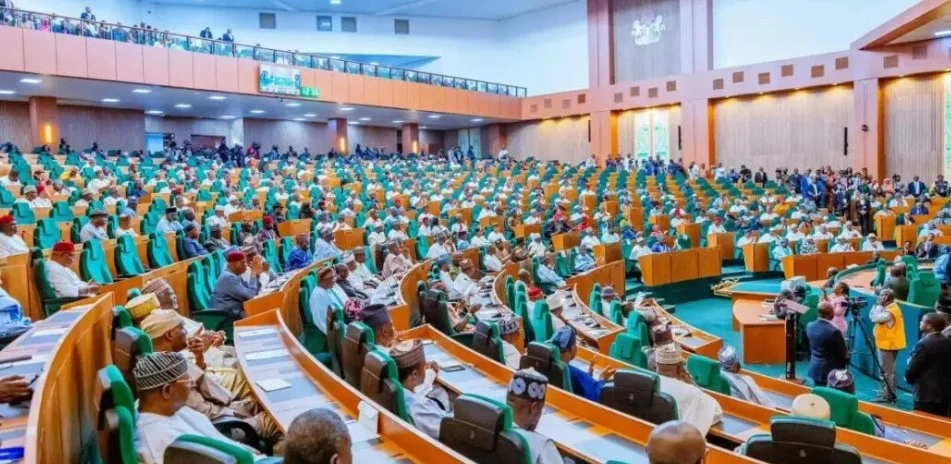
Reps Demand Breakdown of ₦34tn Customs Waivers, Query Revenue Discrepancies
The House of Representatives has directed the Nigeria Customs Service to disclose beneficiaries of ₦34tn import duty waivers and explain revenue reporting inconsistencies despite consistently exceeding collection targets.
 News
News
NDLEA Secures Seven-Year Jail Term for Man Who Advertised Cannabis Online
A Federal High Court in Kano sentenced a man to seven years in prison for advertising cannabis on social media, as the NDLEA vowed sustained action against drug-related offences.
 News
News
Kogi Govt Begins Manhunt After Abduction of School Principal, Students
Kogi State Government has launched a multi-agency manhunt following the abduction of a school principal, NECO official and students, pledging to rescue the victims and arrest the kidnappers.
 News
News
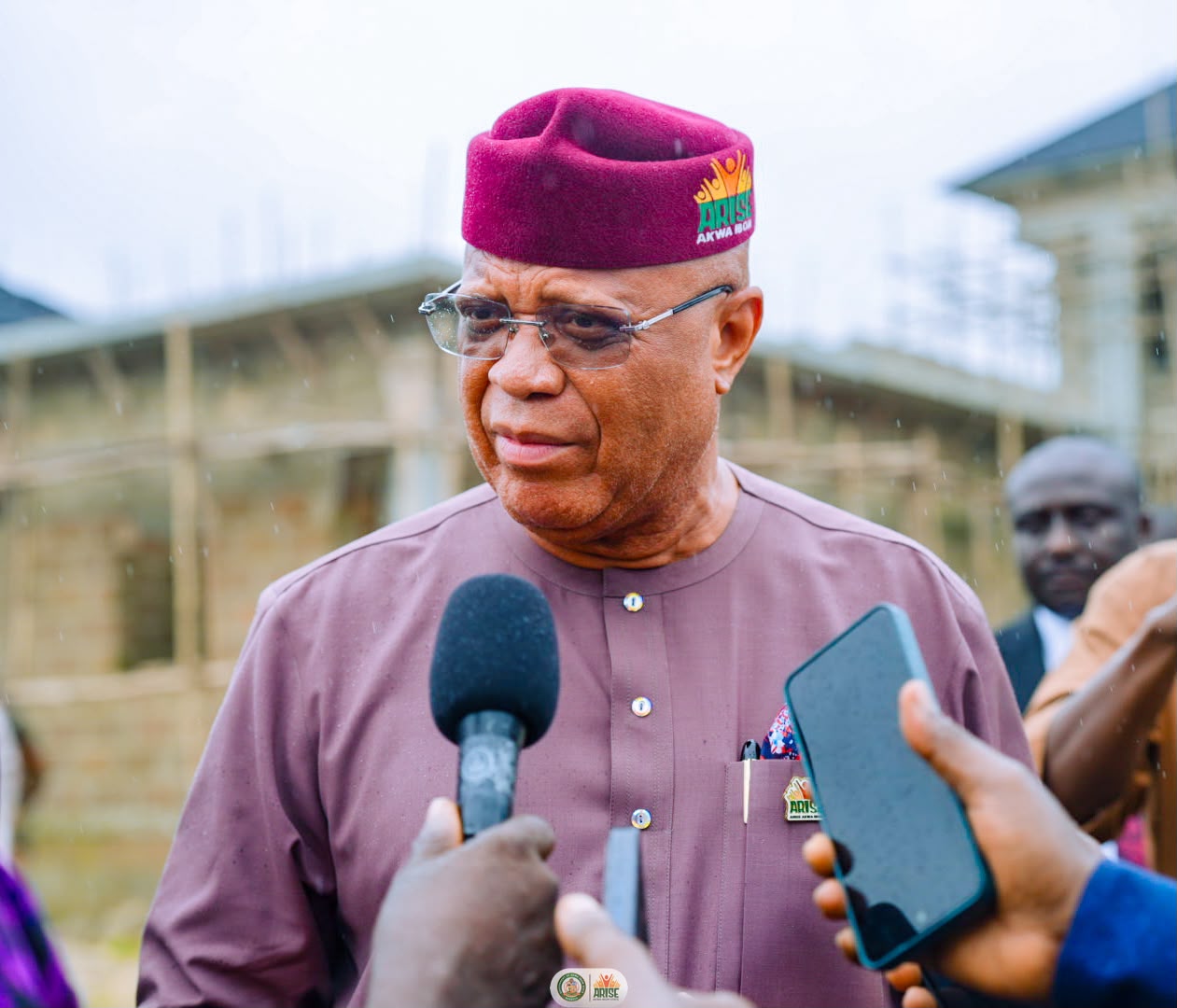
Eno Orders New Flood Master Plan, Demolition of Buildings on Drainage Channels in Akwa Ibom
Governor Umo Eno ordered a new flood master plan, demolition of buildings blocking drainage channels and stricter sanitation enforcement as Akwa Ibom intensifies efforts to tackle perennial flooding and environmental challenges.
Comments (0)
Leave a comment
All comments are moderated before publishing. Your email is never published.