
Nigeria Battles Renewed Cholera Surge as Health Officials Race to Contain Spread
Nigeria is confronting a fresh cholera challenge as cases rise in Borno State, putting pressure on public-health officials, humanitarian workers and water-sanitation systems in conflict-affected communities.
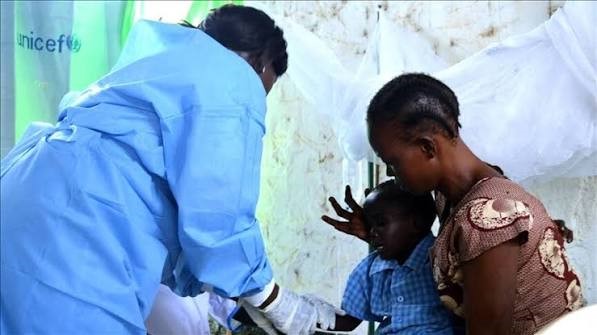
Nigeria’s public-health system is once again under strain as Borno State grapples with a renewed cholera surge that has raised concern among health workers, humanitarian agencies and local authorities. Reports from major Nigerian and international outlets show that the outbreak has intensified in recent weeks, with new cases continuing to emerge in communities already weakened by conflict, displacement and poor sanitation.
Health authorities say the outbreak has spread through areas where access to clean water remains limited and where overcrowded settlements create ideal conditions for transmission. Cholera, a fast-moving waterborne disease, spreads quickly when drinking water is contaminated and when basic hygiene systems break down. In the northeast, those risks are amplified by insecurity, repeated displacement and damaged infrastructure, making containment much more difficult.
Recent reports indicate that the outbreak has already caused significant casualties. Reuters reported that the cholera epidemic in Borno had killed at least 74 people and infected more than 7,800 others as of early June, while the United Nations later said the death toll had risen to at least 90 and infections had surpassed 12,000. Those figures underline how rapidly the disease has spread and how difficult it has been for responders to keep pace.
Punch also reported a sharp recent rise in Borno, saying the state recorded 274 new cases in 24 hours, pushing the total to 4,204 cases and 39 deaths. The update reflects the persistent challenge faced by health teams trying to monitor transmission across multiple local government areas, especially in remote settlements where surveillance is weak and access is limited.
Humanitarian agencies have warned that the rainy season could further worsen the situation. UNICEF said heavy rainfall can contaminate wells, flood sanitation systems and increase the risk of large-scale spread, especially in displacement camps and densely populated communities. That warning is particularly serious in Borno, where many families rely on unstable water sources and where access to healthcare is often delayed by distance, insecurity or poverty.
Health specialists say the outbreak is a reminder that cholera is not only a medical problem but also a water, sanitation and development problem. Where communities lack safe drinking water, toilets, drainage and hygiene facilities, the disease can spread rapidly and repeatedly. In such environments, treatment alone is not enough; prevention must include clean water access, public education, rapid reporting and stronger local response systems.
Authorities and aid groups have been trying to expand response measures, including treatment centres, surveillance teams and water and sanitation interventions. However, the scale of the outbreak suggests that more resources may be needed to contain it fully and prevent further deaths. Public-health experts say early detection and immediate treatment remain critical because cholera can kill within hours if patients do not receive fluids and care quickly.
The Borno outbreak also highlights the broader fragility of Nigeria’s disease-response structure. Although the country has made progress in health reform and emergency preparedness, recurring outbreaks continue to expose weaknesses in surveillance, logistics, community outreach and access to essential services. For many observers, the crisis is another warning that health security depends as much on infrastructure and governance as it does on medicine.
As the outbreak continues, families in affected communities are being urged to boil drinking water where possible, avoid unsafe food and seek treatment immediately if symptoms appear. Public-health authorities say a faster, more coordinated response will be essential if the spread is to be halted before it causes even greater loss of life.
Sponsored
Related stories
 Health
Diri Orders Free Quarterly Health Checks for All Bayelsa Residents at Secondary Facilities
Governor Douye Diri has directed Bayelsa's Ministry of Health to begin free quarterly medical check-ups across all eight local government areas, aimed at helping residents who cannot afford routine screening and promoting early detection of diseases.
 Health
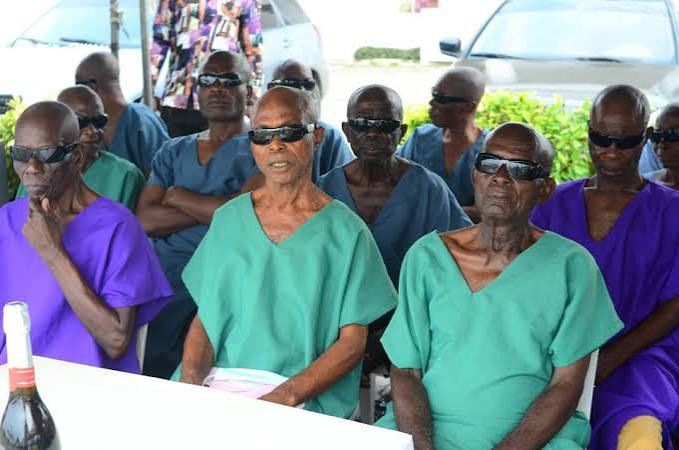
‘Priceless Gift of Sight’ Reaches 400,000 Beneficiaries
FCMB and the Tulsi Chanrai Foundation say their 15-year eye care partnership has reached over 400,000 Nigerians, as a World Sight Day roundtable in Abuja pushes for private-sector funding to sustain and expand care.
 Health
FUNAAB Launches Africa’s First AI Disease Surveillance System
Researchers at the Federal University of Agriculture, Abeokuta, have developed IDS-Master, a groundbreaking AI-powered surveillance system that detects infectious disease outbreaks in real time by analysing reports from community leaders, health agents, and ordinary residents. Described as Africa's first fully AI-driven event-based surveillance platform, the innovation promises to bridge critical gaps in outbreak detection across underserved rural communities where delays in reporting can cost l
 Health
NAFDAC Seeks Global Partners for Local Vaccine Production
The Director-General of the National Agency for Food and Drug Administration and Control (NAFDAC), Prof. Mojisola Adeyeye, has called on international partners to support the establishment of vaccine manufacturing facilities in Nigeria, saying local production is the missing link in the agency’s push to attain World Health Organisation Maturity Level 4 for vaccine lot release. She spoke at the 8th Nigeria Pharma Manufacturers’ Expo in Lagos, where she commended President Bola Tinubu’s Executive
Comments (0)
Leave a comment
All comments are moderated before publishing. Your email is never published.