
Tinubu Reaffirms Support for Digital Economy, Calls for Stronger Intra-African Trade
President Bola Ahmed Tinubu has reaffirmed his administration's commitment to advancing Nigeria's digital economy and strengthening intra-African trade under the AfCFTA framework.
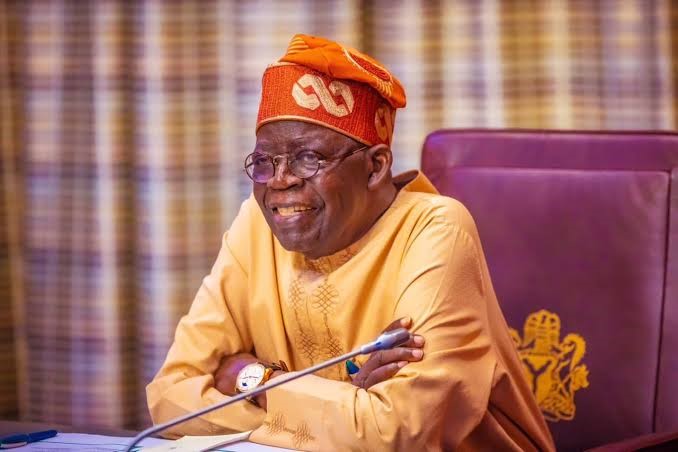
President Bola Ahmed Tinubu has reiterated his administration's strong support for the development of Nigeria's digital economy while calling for deeper intra-African trade, describing the two as critical pillars for the country's economic transformation and the continent's collective prosperity.
The President made the declaration during a high-level engagement with stakeholders in the digital economy, technology, and trade sectors, where he outlined his administration's vision for repositioning Nigeria as a leading digital and trade hub in Africa.
Tinubu stressed that Nigeria's future prosperity depends significantly on its ability to leverage digital innovation, expand its digital infrastructure, and integrate its economy more deeply with the rest of the African continent.
The President noted that the digital economy holds immense potential for job creation, revenue generation, industrial growth, and social development, particularly for the country's teeming youth population that has continued to drive innovation across various sectors.
He assured stakeholders of his administration's determination to create an enabling environment for the growth of the digital economy, including the implementation of policy reforms, regulatory improvements, and infrastructure investments.
Tinubu also emphasised the need for stronger intra-African trade under the African Continental Free Trade Area (AfCFTA), which he described as a landmark initiative capable of transforming the economies of African countries and unlocking the continent's vast economic potential.
According to the President, deeper intra-African trade would boost economic growth, create jobs, reduce dependency on external markets, promote industrialisation, and enhance the collective bargaining power of African countries on the global stage.
He called on African leaders, private sector operators, and other stakeholders to work together to overcome the barriers hindering intra-African trade, including infrastructure deficits, non-tariff barriers, weak logistics systems, and inconsistent regulatory frameworks.
Tinubu also stressed the importance of harmonising trade policies, digital regulations, and payment systems across the continent to facilitate seamless cross-border transactions and the free movement of goods, services, and capital.
The President reaffirmed Nigeria's commitment to playing a leading role in advancing the AfCFTA, given the country's status as Africa's most populous nation and one of its largest economies.
He noted that Nigeria's strategic location, vibrant private sector, dynamic youth population, and rich cultural heritage position the country to serve as a major driver of the continent's economic transformation.
Tinubu also highlighted the ongoing reforms in Nigeria's economic policy environment, including the unification of exchange rates, the removal of fuel subsidy, the reform of the tax system, and the improvement of the ease of doing business, as key steps aimed at attracting investments and boosting economic growth.
He acknowledged the challenges arising from the ongoing reforms but expressed confidence that the long-term benefits would significantly outweigh the short-term difficulties, positioning Nigeria for sustained growth and development.
The President assured stakeholders that his administration would continue to engage with the private sector, development partners, and other stakeholders in shaping policies that support the growth of the digital economy and intra-African trade.
He also called for stronger public-private partnerships in the development of key digital infrastructure, including broadband networks, data centres, digital payment systems, and cybersecurity capabilities, to support the country's digital transformation.
Tinubu commended the various ministries, departments, agencies, and stakeholders playing critical roles in advancing Nigeria's digital economy agenda, urging them to remain focused, innovative, and result-oriented.
He particularly acknowledged the contributions of the Ministry of Communications, Innovation and Digital Economy, the Nigerian Communications Commission (NCC), the National Information Technology Development Agency (NITDA), and other agencies driving the country's digital transformation.
The President also called on the private sector, including telecom operators, technology companies, financial institutions, and start-ups, to continue to invest in innovation, expand digital services, and support the growth of the country's digital ecosystem.
He further encouraged Nigeria's youth to embrace opportunities in the digital economy, acquire relevant skills, and contribute meaningfully to the country's transformation and the broader African economic integration agenda.
Tinubu also called for stronger collaboration between the government, academia, and industry in developing digital skills, promoting research and innovation, and ensuring that the country's education system is aligned with the demands of the digital economy.
The President stressed that Nigeria's digital economy and intra-African trade agenda are integral to his administration's broader vision of building a prosperous, inclusive, and resilient economy that serves the aspirations of all Nigerians.
He reiterated his commitment to strengthening Nigeria's role in continental and global affairs, particularly through active participation in the AfCFTA, the African Union (AU), the Economic Community of West African States (ECOWAS), and other regional and international platforms.
The President also acknowledged the various diplomatic engagements Nigeria has held with other African countries, global partners, and multilateral institutions to promote trade, investment, and economic cooperation.
He emphasised that Nigeria's foreign policy would continue to prioritise Africa, with deliberate efforts to strengthen bilateral and multilateral relationships that support the country's economic and developmental objectives.
Tinubu called on African countries to embrace collective action, mutual cooperation, and shared prosperity, stressing that the continent's future depends on its ability to unite around common goals and overcome its internal barriers to progress.
He expressed optimism that with sustained commitment, deliberate policies, and the collective efforts of African nations, the continent could unlock its full economic potential and take its rightful place in the global economy.
The President's remarks come amid growing global attention on the potential of the AfCFTA, the digital economy, and Africa's positioning within the evolving international economic landscape.
Various stakeholders, including business associations, development partners, civil society organisations, and international investors, have continued to engage with Nigeria's economic reforms and its role in advancing intra-African trade and digital transformation.
The Federal Government has, in recent times, rolled out various initiatives aimed at supporting the growth of the digital economy, including investments in broadband infrastructure, the promotion of digital literacy, the expansion of e-government services, and the support for start-ups and small businesses.
The country's private sector has also continued to play a significant role in driving digital innovation, with several Nigerian technology companies emerging as leading players in the African and global markets.
The digital economy has been identified as one of the fastest-growing sectors of the Nigerian economy, contributing significantly to the country's Gross Domestic Product (GDP), attracting substantial investments, and creating jobs for millions of Nigerians.
Nigeria has also continued to engage actively with the AfCFTA framework, with efforts to increase the country's exports to other African countries, reduce trade barriers, and support Nigerian businesses in accessing new markets across the continent.
The Federal Government has assured that ongoing reforms, investments, and diplomatic engagements are aimed at positioning Nigeria as a leading player in the digital economy and intra-African trade, in line with its strategic development goals.
Stakeholders have welcomed the President's continued commitment to these agendas, calling for sustained action, effective implementation, and stronger monitoring and evaluation to ensure that the desired outcomes are achieved.
The development is expected to attract increased engagement from investors, development partners, and other stakeholders, as they respond to the government's articulated commitment to the digital economy and intra-African trade.
The President concluded his remarks by expressing gratitude to the various stakeholders who have continued to support Nigeria's digital transformation and its role in advancing intra-African trade, stressing that the country's success in these areas would benefit not only Nigerians but the entire African continent.
GNA will continue to monitor developments in Nigeria's digital economy and intra-African trade initiatives, providing updates on the policies, investments, and outcomes shaping the country's economic transformation and the broader African integration agenda.
Related stories
 News
News
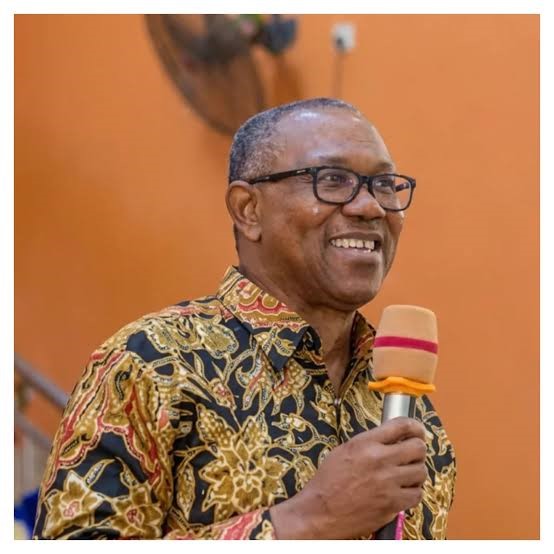
2027: Peter Obi Unveils Vision for Education, Industrialisation, National Unity
The 2027 presidential candidate of the Nigeria Democratic Congress (NDC), Peter Obi, has unveiled a vision focused on transforming education, driving industrialisation, and strengthening national unity.
 News
News
Nigerian Army Declares 104 Soldiers Missing, Says They Absconded, Are Deserters
The Nigerian Army has officially declared 104 of its personnel missing, describing them as deserters who allegedly absconded from their duty posts without authorisation
 News
News
Oyo Schools to Reopen Thursday as NUT Suspends Strike
The Nigeria Union of Teachers (NUT), Oyo State Chapter, has suspended its ongoing strike action, paving the way for the reopening of public schools across the state on Thursday, July 2, 2026
 News
News
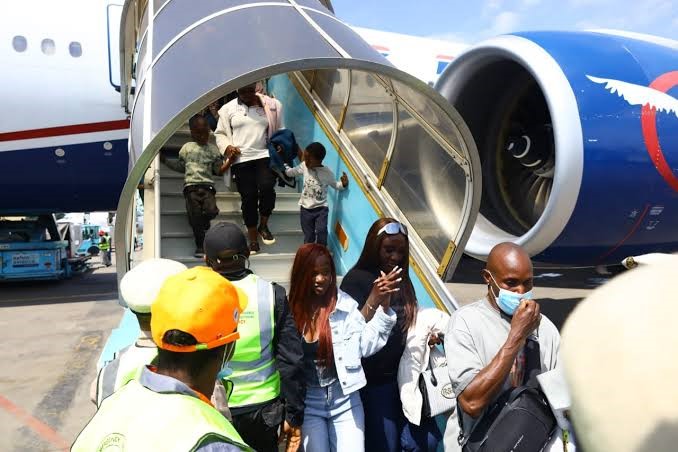
Natasha Commends Air Peace Over Evacuation of 533 Nigerians from South Africa
Kogi Central Senator, Natasha Akpoti-Uduaghan, has commended Air Peace and its Chairman, Chief Allen Onyema, for successfully evacuating 533 Nigerians stranded in South Africa amid the ongoing migrants crisis.
Comments (0)
Leave a comment
All comments are moderated before publishing. Your email is never published.