
2027: Peter Obi Unveils Vision for Education, Industrialisation, National Unity
The 2027 presidential candidate of the Nigeria Democratic Congress (NDC), Peter Obi, has unveiled a vision focused on transforming education, driving industrialisation, and strengthening national unity.
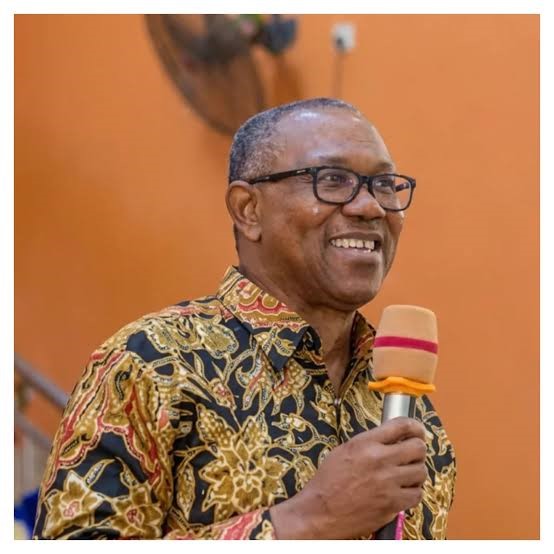
The 2027 presidential candidate of the Nigeria Democratic Congress (NDC), Mr. Peter Obi, has outlined a comprehensive vision for Nigeria, placing education, industrialisation, and national unity at the heart of his campaign ahead of the next general elections.
The former Anambra State Governor, in a detailed policy engagement, articulated his plans to transform the country's education sector, drive industrial development, and foster stronger national cohesion as foundational pillars for building a more prosperous and inclusive Nigeria.
Obi stressed that Nigeria's future prosperity depends significantly on its ability to build a world-class education system, develop a strong industrial base, and foster genuine unity among its diverse ethnic, religious, and regional groups.
According to him, the current state of Nigeria's education sector requires urgent and comprehensive reforms to align with global best practices, prepare the country's youth for the demands of the 21st century, and drive innovation and economic growth.
Obi outlined plans to significantly increase investment in education across all levels, from early childhood education to higher institutions, with a particular focus on improving access, quality, and relevance of education to national development needs.
He also emphasised the importance of aligning the education system with the needs of the labour market and the demands of a rapidly evolving global economy, particularly in areas such as science, technology, engineering, and mathematics (STEM).
The NDC candidate reiterated his long-standing advocacy for prioritising education as a critical driver of national development, stressing that no country has achieved sustained progress without significant investments in its human capital.
Obi also outlined an ambitious industrialisation agenda aimed at diversifying the country's economy, boosting local production, creating jobs, and reducing dependence on imports.
He argued that Nigeria has the potential to become a major industrial hub in Africa, given its abundant human and natural resources, strategic location, and large domestic market.
According to him, achieving industrialisation would require deliberate policies, targeted investments in critical sectors, support for small and medium enterprises, and the development of enabling infrastructure such as power, transportation, and digital connectivity.
Obi emphasised the importance of consuming what the country produces and producing what the country consumes, stressing that this approach would not only stimulate local production but also strengthen the naira, reduce inflation, and improve the country's balance of payments.
He called for a shift from a consumption-driven economy to a production-driven economy, with clear policies aimed at supporting local manufacturers, farmers, artisans, and entrepreneurs.
On the issue of national unity, Obi emphasised that Nigeria's diversity is a source of strength that must be harnessed, rather than a source of division that undermines national progress.
He stressed the importance of building a truly inclusive Nigeria where all citizens, regardless of ethnic, religious, or regional background, have equal opportunities to contribute to and benefit from the country's development.
Obi called for deliberate efforts to promote national cohesion, address longstanding grievances, and strengthen the sense of collective identity and shared purpose among Nigerians.
He also highlighted the importance of good governance, transparency, accountability, and the rule of law in fostering national unity and building public trust in government institutions.
The NDC candidate reiterated his commitment to leading a government that would prioritise the needs of ordinary Nigerians, particularly the poor and vulnerable, and work tirelessly to address the country's most pressing challenges.
He called on Nigerians to embrace the vision of a new Nigeria, characterised by prosperity, opportunity, and unity, and to actively engage in the political process to bring about the change the country needs.
Obi emphasised that the challenges facing the country, though significant, are not insurmountable, stressing that with the right leadership, policies, and collective effort, Nigeria can achieve its full potential.
He commended Nigerians for their resilience, patriotism, and continued belief in the country's future, despite the various challenges confronting them.
The candidate also acknowledged the growing frustration among Nigerians, particularly the youth, over the country's economic and security situation, and pledged to address these concerns through concrete policies and actions.
Obi called on the youth to remain engaged, hopeful, and committed to the cause of building a better Nigeria, stressing that they hold the key to the country's future.
He also emphasised the importance of strengthening democratic institutions, protecting human rights, and ensuring that the country's electoral processes remain free, fair, and credible.
The former Anambra State Governor called on the Independent National Electoral Commission (INEC) to remain impartial, transparent, and committed to delivering credible elections in 2027.
He also called on political parties, candidates, and other stakeholders to embrace fair competition, issue-based campaigns, and respect for the rules of engagement.
Obi expressed appreciation to his supporters, party members, and Nigerians across the country who have continued to rally around him, stressing that their unwavering commitment has been a source of strength and motivation.
He reaffirmed his readiness to lead a broad-based, inclusive campaign that engages Nigerians from all walks of life, promotes constructive dialogue, and offers concrete solutions to the country's challenges.
The NDC candidate also outlined plans for engaging with various stakeholders, including political leaders, civil society organisations, religious bodies, traditional institutions, professional associations, and the international community, in advancing his vision for Nigeria.
Obi stressed that his campaign would be built on the foundations of integrity, accountability, competence, and a deep commitment to the welfare of the Nigerian people.
He acknowledged the various challenges facing his campaign, including internal disputes within the opposition, court rulings affecting political parties, and the broader political dynamics of the country.
However, he expressed confidence that with sustained engagement, strategic planning, and the support of Nigerians, his campaign would overcome these challenges and offer the country a credible alternative in 2027.
The NDC has been at the centre of significant political developments in recent months, with the party positioning itself as a major opposition platform ahead of the 2027 general elections.
The party has attracted several prominent political figures, including former Kano State Governor, Senator Rabiu Musa Kwankwaso, and other notable politicians from across the country.
However, the party has also faced various legal and internal challenges, including a recent court ruling that vacated an earlier order directing INEC to register the party as a political party.
Obi's unveiling of his vision comes at a critical time, providing his supporters and Nigerians in general with a clearer picture of his plans and priorities for the country.
Political observers have described the unveiling as a significant milestone in the build-up to the 2027 general elections, with the candidate's vision expected to shape the direction of the campaign and the broader political discourse.
The vision has drawn various reactions from supporters, critics, and observers, with many commending its focus on critical national issues and others raising questions about the specifics of implementation.
Obi has, however, indicated his readiness to engage with all stakeholders, including critics, on the details of his vision and the strategies for implementation.
The candidate has also pledged to release detailed policy documents in the coming months, providing further insights into the specific programmes, initiatives, and actions that would be undertaken to realise his vision.
He called on Nigerians to closely engage with his campaign, ask questions, offer suggestions, and hold him accountable throughout the electoral process.
The 2027 general elections are expected to be a significant test for the country's democracy, with various political parties, candidates, and stakeholders intensifying preparations and engagements.
The Independent National Electoral Commission (INEC) has continued to prepare for the elections, including through voter registration, the accreditation of political parties, and the deployment of technology to strengthen the credibility of the electoral process.
The commission has also engaged with political parties, civil society organisations, security agencies, and other stakeholders in ensuring that the elections are conducted in a peaceful, transparent, and credible manner.
Various civil society organisations, election observers, and international partners have continued to engage with the electoral process, offering support, monitoring developments, and advocating for reforms.
The role of the media has also remained critical in providing accurate, balanced, and comprehensive coverage of the electoral process and the broader political developments in the country.
Obi's vision for Nigeria is expected to be further articulated through various campaign engagements, policy dialogues, town hall meetings, and media appearances in the coming months.
The candidate is expected to travel across the country, engaging with various communities, political groups, and stakeholders in an effort to build support and mobilise voters ahead of the elections.
His campaign is also expected to leverage various communication platforms, including traditional and digital media, to reach a wide audience and engage with Nigerians across the country.
The unveiling of the vision has provided a clear framework for engaging with the candidate's plans and priorities, and is expected to shape the broader political conversations ahead of the 2027 general elections.
As the election cycle intensifies, attention will remain on the actions of the various candidates, the responses of Nigerians to their proposals, and the broader dynamics shaping the country's political landscape.
GNA will continue to monitor developments and provide updates on the campaigns of the various candidates, the actions of the electoral commission, and the broader political developments in the build-up to the 2027 general elections.
The vision unveiled by Peter Obi and his continued engagements with Nigerians are expected to remain central to the political conversations in the country in the coming months.
Nigerians are, meanwhile, being encouraged to remain engaged, informed, and active in the electoral process, as their participation remains critical to the strength and credibility of the country's democracy.
The 2027 elections offer a significant opportunity for Nigerians to shape the future of their country, with the choices made at the polls having far-reaching implications for the country's direction, prosperity, and unity.
Related stories
 News
News
Nigerian Army Declares 104 Soldiers Missing, Says They Absconded, Are Deserters
The Nigerian Army has officially declared 104 of its personnel missing, describing them as deserters who allegedly absconded from their duty posts without authorisation
 News
News
Oyo Schools to Reopen Thursday as NUT Suspends Strike
The Nigeria Union of Teachers (NUT), Oyo State Chapter, has suspended its ongoing strike action, paving the way for the reopening of public schools across the state on Thursday, July 2, 2026
 News
News
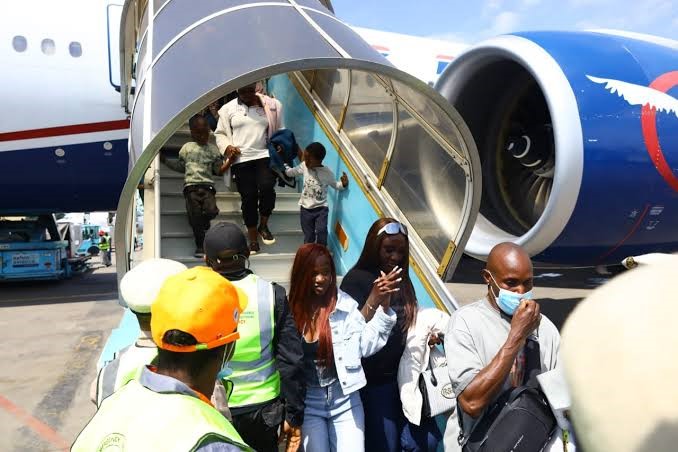
Natasha Commends Air Peace Over Evacuation of 533 Nigerians from South Africa
Kogi Central Senator, Natasha Akpoti-Uduaghan, has commended Air Peace and its Chairman, Chief Allen Onyema, for successfully evacuating 533 Nigerians stranded in South Africa amid the ongoing migrants crisis.
 News
News
FRSC 2026 Recruitment: How Graduates, SSCE Holders, and Skilled Workers Can Apply
The Federal Road Safety Corps (FRSC) has opened its 2026 nationwide recruitment exercise, inviting graduates, SSCE holders, and skilled workers to apply for various positions.
Comments (0)
Leave a comment
All comments are moderated before publishing. Your email is never published.