
Tinubu Pledges to End Child Labour, Unveils Four-Year Action Plan
President Tinubu has declared child labour a national priority and launched a four-year plan to protect millions of Nigerian children.
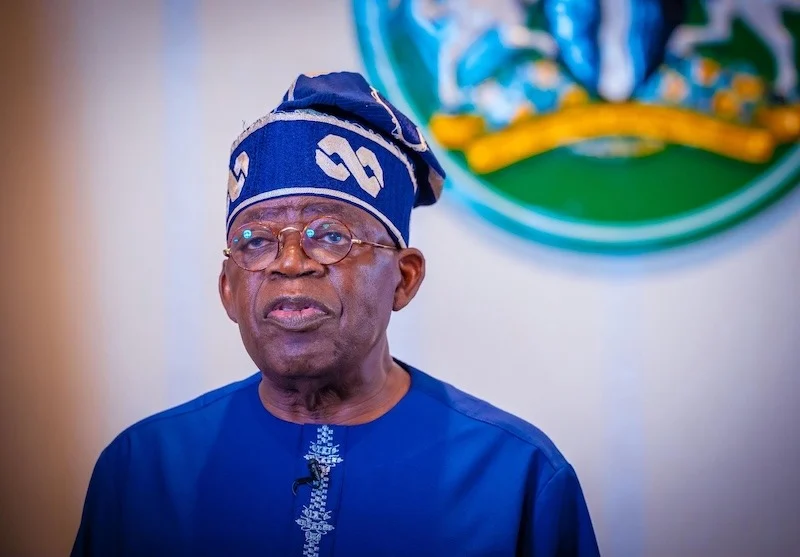
President Bola Tinubu has declared the elimination of child labour a national development priority, unveiling a four-year action plan aimed at protecting children from exploitation and ensuring greater access to education.
Tinubu made the declaration on Wednesday in Abuja at the National Dialogue on Advancing the Implementation of Nigeria’s National Child Labour Policy and National Action Plan 2026–2030.
The President, who was represented at the event by the Secretary to the Government of the Federation, George Akume, also launched the 2024 National Child Labour Survey Report.
He said child labour was not merely a labour issue, but a national development challenge affecting education, poverty reduction, economic growth, food security, human capital development and national security.
Tinubu said the Federal Government would intensify efforts to address the root causes of child labour, including poverty, unemployment, inadequate access to quality education and social exclusion.
He identified education as one of the strongest safeguards against child labour, noting that the administration was implementing reforms focused on out-of-school children, education data, teacher development and skills acquisition.
The President also highlighted the Renewed Hope National Home-Grown School Feeding Programme as part of efforts to encourage school attendance while addressing hunger and nutritional challenges among vulnerable children.
He said the government was strengthening social protection and household resilience through programmes including the NG-CARES Additional Financing Programme and the Human Capital Opportunities for Prosperity and Equity Programme.
According to him, these initiatives are designed to expand economic opportunities for families and reduce situations where children are forced to work to support their households.
The President further said the new National Child Labour Policy and National Action Plan for the Elimination of Child Labour 2026–2030 would provide a practical framework for coordinated action and measurable results.
He called on state governments, employers, workers’ organisations, development partners, traditional and religious leaders, communities and parents to support implementation of the plan.
Tinubu also directed relevant ministries, departments and agencies to ensure full implementation of the policy and action plan.
He urged employers to eliminate child labour from their supply chains and called for stronger enforcement of existing child protection laws.
The President said Nigeria must move beyond commitments to concrete action to ensure that every child has access to education, protection and a childhood free from exploitation.
Sponsored

Related stories
 News
News
NPHCDA Completes Renovation of 3,526 Primary Healthcare Centres
The National Primary Health Care Development Agency says it has renovated and handed over 3,526 healthcare centres nationwide, with work continuing at 908 others to improve access to essential medical services.
 News
News
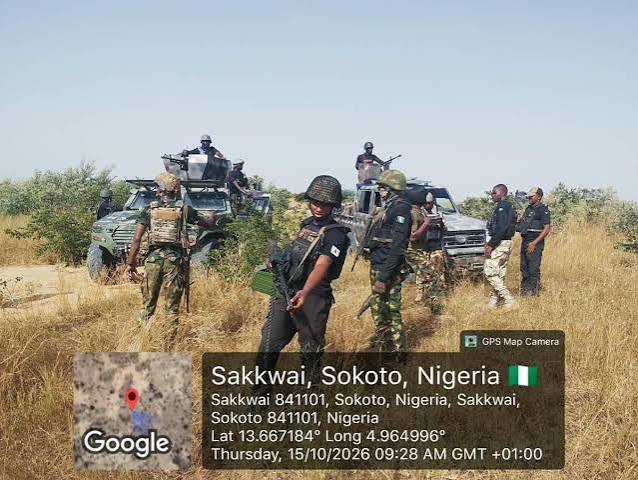
Army Destroys Lakurawa Camps in Sokoto, Kills Terrorists
Nigerian Army troops have destroyed Lakurawa terrorist camps in Waria Forest, Sokoto State, killing several fighters and recovering weapons and five motorcycles during a military operation.
 News
News
NHIA Raises Fee-for-Service Payments to Hospitals by 373 Per Cent
The National Health Insurance Authority has increased reimbursements to healthcare providers by 373 per cent and doubled capitation payments, as part of efforts to improve care quality, expand insurance coverage and restore public confidence.
 News
News
Nigeria’s Inflation Rate Drops to 14.63 Per Cent in September
Nigeria’s headline inflation rate fell to 14.63 per cent in September 2026 from 15.39 per cent in August, according to the National Bureau of Statistics, although food inflation remained elevated.
Comments (0)
Leave a comment
All comments are moderated before publishing. Your email is never published.