
Tinubu Approves Five-Year Security Threat Assessment, Defence Plan
Tinubu orders comprehensive national threat assessment and five-year defence plan to improve security coordination and resource deployment.
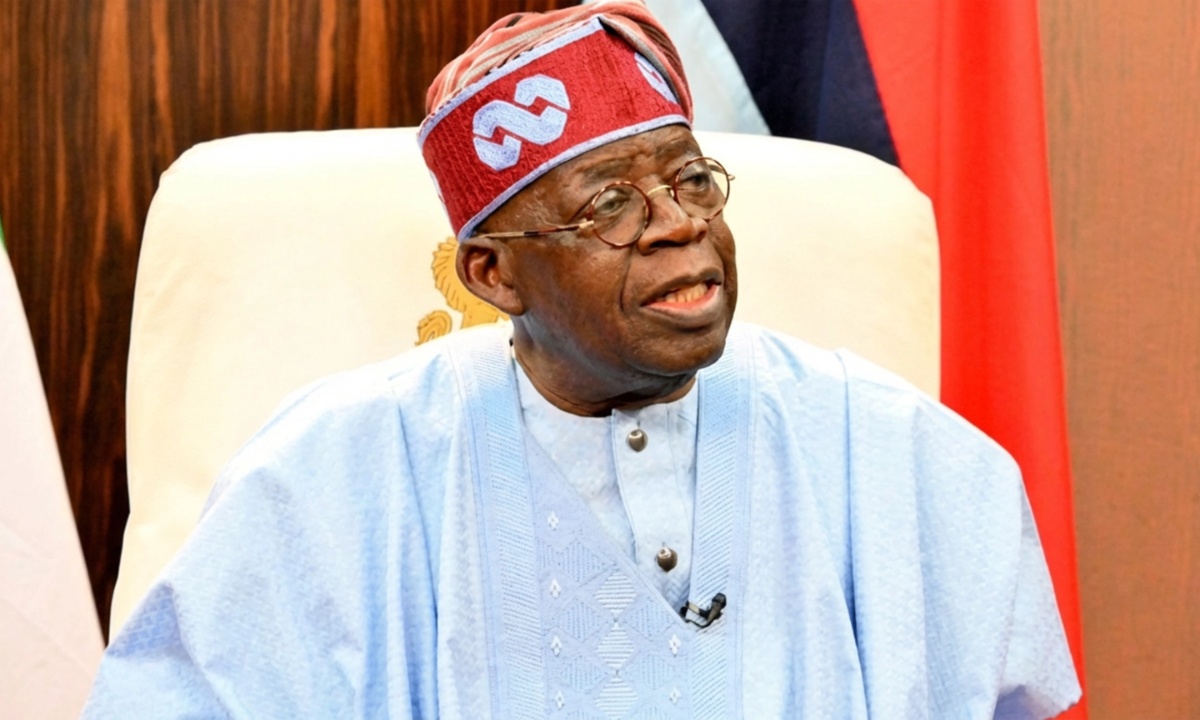
President Bola Ahmed Tinubu has approved the immediate development of a comprehensive National Threat Assessment and a rolling five-year Strategic Defence Operations Plan to strengthen coordination among Nigeria’s defence, intelligence and security agencies.
Tinubu gave the directive on Wednesday during the Federal Executive Council meeting at the State House, Abuja, stressing the need for a coordinated framework capable of addressing evolving security threats across the country.
The President appointed his Special Adviser on Homeland Security, Major General Adeyinka A. Famadewa, to coordinate the exercise and provide secretariat support to an 11-member committee constituted to prepare the strategic plan.
Members of the committee include the National Security Adviser, Nuhu Ribadu; Minister of Defence, Christopher Musa; Minister of State for Defence, Bello Muhammad Matawalle; Chief of Defence Staff, Olufemi Oluyede; Chief of Army Staff, Waidi Shaibu; Chief of Air Staff, Sunday Kelvin Aneke; and Chief of Naval Staff, Idi Abbas.
Also on the committee are the Director-General of the Department of State Services, Tosin Ajayi, and the Director-General of the National Intelligence Agency, Muhammed Muhammed.
Tinubu said the National Threat Assessment would establish a common understanding of the major security threats confronting Nigeria, determine their urgency and set operational objectives for tackling them.
The Strategic Defence Operations Plan, he explained, would translate the assessment into specific operational priorities, including the forces and capabilities required in various theatres, existing gaps, equipment and logistical needs, as well as implementation timelines.
The President said recent security operations, including the rescue of abducted pupils and teachers in Oriire Local Government Area of Oyo State, demonstrated the importance of effective coordination among security and intelligence agencies.
He noted that security requirements were often considered individually without sufficient reference to a unified national threat assessment or medium-term operational plan.
According to him, the absence of such coordination could make resource deployment less efficient and hinder effective responses to emerging threats.
Tinubu directed the committee to begin work immediately and submit the completed assessment and defence plan within 90 days for his consideration and approval.
Once approved, the plan will become the principal framework for coordinating military and defence operations over the medium term.
It will also guide the preparation of a multi-year defence expenditure and procurement plan, ensuring that available resources are directed towards identified national security priorities.
The President further directed the Secretary to the Government of the Federation and the Office of the National Security Adviser to take immediate steps to implement the directives.
Sponsored

Related stories
 Politics
2027 Governorship List: PDP Engages INEC Over Omission of Adebutu, Pantami, Others
The PDP is seeking clarification from INEC after its governorship candidates in Ogun and Gombe were omitted from the final list.
 Politics
Jigawa ADC Kicks as INEC Omits Ringim, Seven Others From Final List
Jigawa ADC has protested INEC’s omission of its deputy governorship candidate Aminu Ringim and seven other party-backed candidates.
 Politics
Fuel Discount: Atiku Accuses Tinubu of Turning NNPCL Into Campaign Money Cashier
Atiku has accused Tinubu’s administration of using NNPCL’s petrol discount for political advantage ahead of the 2027 general election.
 Politics
2027: NDC to Inaugurate Presidential Council October 20
The Nigeria Democratic Congress will inaugurate its Presidential Campaign Council on October 20 as it intensifies preparations for the 2027 general elections.
Comments (0)
Leave a comment
All comments are moderated before publishing. Your email is never published.