
China Jails Evergrande Founder for Life, Fines Firm More Than $2bn
A Chinese court has sentenced Evergrande founder Hui Ka Yan, also known as Xu Jiayin, to life imprisonment for financial crimes including fraud, embezzlement and bribery. Evergrande and its property subsidiary were fined a combined 15.82 billion yuan, about $2.4 billion, while Hui’s personal assets were ordered confiscated.
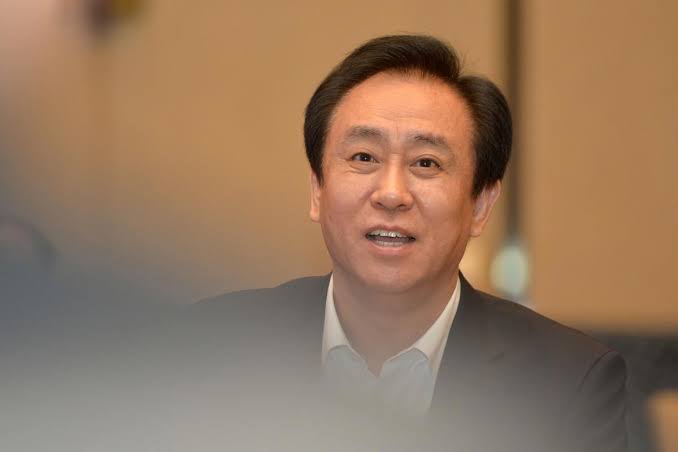
A Chinese court has sentenced the founder of collapsed property giant Evergrande, Hui Ka Yan, to life imprisonment for financial crimes linked to the company’s spectacular downfall.
The Shenzhen Intermediate People’s Court found Hui guilty of multiple offences, including large-scale financial fraud, embezzlement, bribery and illegal fundraising.
The court also ordered the confiscation of Hui’s personal assets and imposed fines of 8.82 billion yuan, about $1.31 billion, on Evergrande Group and seven billion yuan, about $1.04 billion, on its property subsidiary, Evergrande Real Estate Group.
The combined fines amount to about $2.4 billion.
Hui, who once ranked among Asia’s wealthiest businessmen, built Evergrande into one of China’s largest property developers through aggressive expansion funded largely by debt.
The company defaulted on its overseas debts in 2021 after accumulating liabilities exceeding $300 billion, triggering a prolonged crisis in China’s property sector.
According to the court, Hui and Evergrande manipulated financial information between 2016 and 2021, inflating the company’s assets and concealing liabilities.
Investigators found that Evergrande had overstated revenues by about $80 billion in 2019 and 2020 through financial manipulation, including prematurely recording property sales.
The court also sentenced more than 50 other people connected to the company to prison terms ranging from 22 months to 18 years.
Hui had pleaded guilty to the charges and expressed remorse during proceedings.
Evergrande was ordered into liquidation by a Hong Kong court in January 2024 after failing to reach an agreement with creditors over restructuring its massive debt.
The latest ruling marks a major development in Beijing’s efforts to hold executives accountable for financial misconduct linked to the property crisis, which has continued to weigh on China’s economy.
Sponsored

Related stories
 News
News
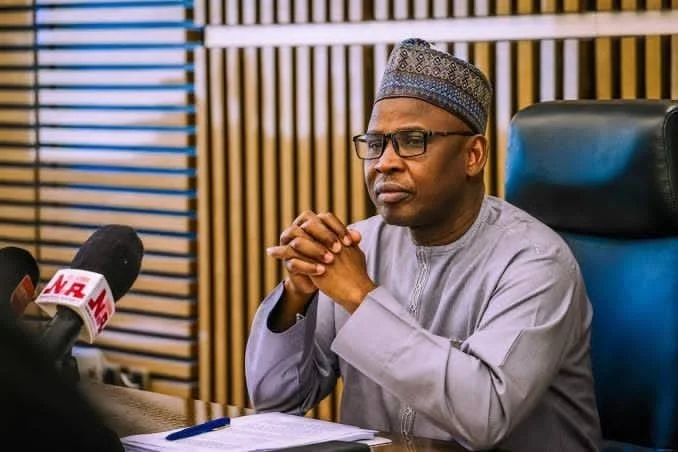
Tinubu Reinstates Suspended Permanent Secretary Danjuma
President Bola Tinubu has reinstated M.S. Danjuma as Permanent Secretary in the Federal Ministry of Finance, effective October 21, following a review of his suspension.
 News
News
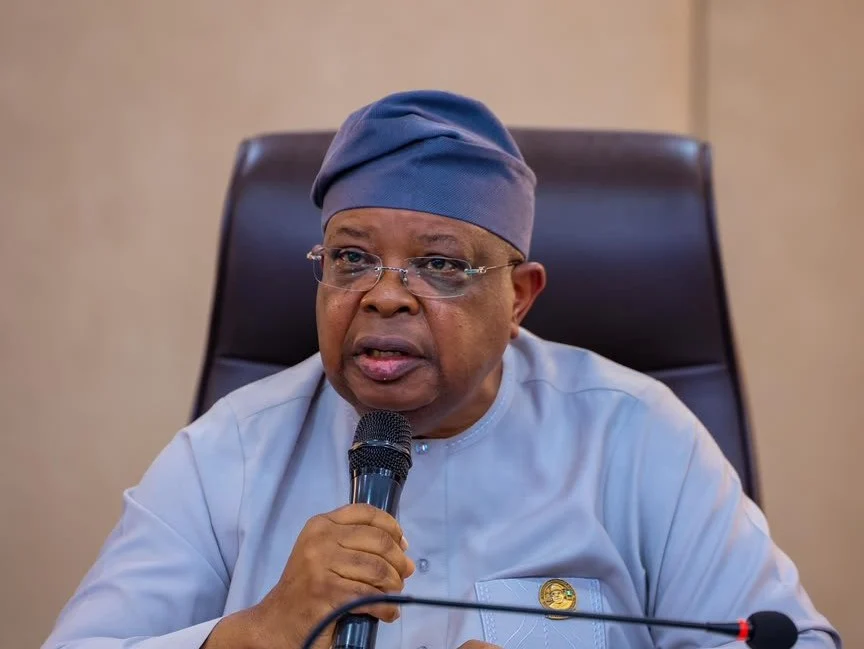
FG Begins Construction of 120MVA Power Substation in Katsina
The Federal Government has commenced construction of a 120MVA power substation in Katsina State to strengthen electricity supply and improve grid reliability.
 News
News
CBN Grants JPMorgan Preliminary Approval for Merchant Bank
The Central Bank of Nigeria has granted JPMorgan approval-in-principle to establish a merchant bank, subject to final licensing requirements.
 News
News
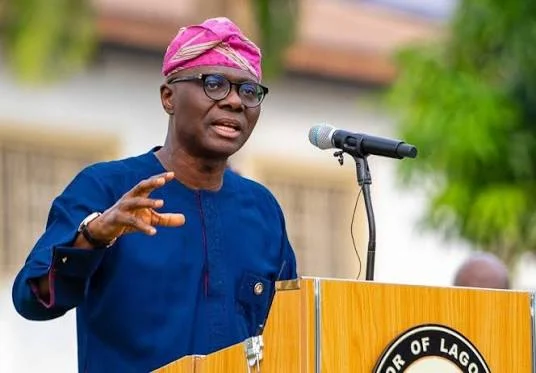
State Police May Begin Operations in 2027 — Sanwo-Olu
Lagos Governor Babajide Sanwo-Olu says state police could begin operating by early 2027, subject to the necessary approvals and implementation arrangements.
Comments (0)
Leave a comment
All comments are moderated before publishing. Your email is never published.